






The dream of making a film is intoxicating. It’s the allure of crafting a world, telling a story, and seeing it come to life on a screen. But the question that almost immediately follows the dream is the one that causes the most anxiety: How much is this actually going to cost?
If you’ve typed that question into a search engine, you’ve probably been met with a dizzying range of numbers. You’ll see headlines about a film costing a few hundred dollars, contrasted with the jaw-dropping reality that the average studio movie budget in 2026 sits at a whopping **$65 million** . And that’s before they spend another $100 million on marketing!
So, what’s the real answer for a beginner? It’s both simpler and more complex than a single number. It’s about understanding where your money actually goes, and being brutally honest about what you truly need to get started.

The Holy Trinity of No-Budget Filmmaking
Here’s a truth that can save you thousands of dollars: Your smartphone is your most powerful filmmaking tool. There’s a pervasive myth that you need a cinema camera that costs more than a used car to make a “real” film. That’s simply not true.
In the early stages, the best camera is the one you already have . The technology in modern smartphones is incredible, and it’s more than capable of capturing beautiful images. But, a phone alone won’t cut it. It’s like having a great engine without a steering wheel or tires.
So, what are the “tires” you need? An experienced filmmaker and educator Greg Pak explained it perfectly years ago, and the principle still holds true today: “People will forgive almost anything with picture these days… But if your sound is murky, no one will want to watch your movie” .
Here’s the reality check: a gorgeous, 4K image with crummy audio makes your film look amateurish. A decent image with clear, crisp audio makes your film look professional. For a beginner, the “holy trinity” of gear isn’t just the camera. It is:
-
Audio
-
Stability
-
Light
-
And then the Camera
Let’s break down what that means for your wallet.
The Three Budget Tiers: From Zero to Hero
To make this tangible, let’s look at three practical stages of a beginner filmmaker’s journey, based on how much you’re willing to invest .
Tier 1: The “Prove It” Starter Kit (~$0 – $100)
This tier is all about proving your eye and your storytelling ability before you spend a dime. It’s a philosophy that lets your work dictate your gear, not the other way around .
-
Camera: Your smartphone. You already own it. For stationary recording, a webcam like the Logitech C920x is a fantastic, affordable option for creating content .
-
Stability: A cheap phone tripod. You can find them for under $20.
-
Lighting: You’re a scavenger. Use a window for natural light. Clamp lights from a hardware store with Photoflood bulbs can be a game-changer for indoor scenes and cost very little .
-
Audio: This is where you might spend your first few bucks. A compact, budget-friendly microphone like the Rode VideoMic GO or a Hollyland Lark M2 wireless system can attach to your phone and give you a massive improvement over the built-in mic . The Zoom H1n portable recorder is another great option for about $100 .
The Philosophy: “Prove your eye before you spend” . Learn to frame a shot, tell a story, and use natural light. The gear here is about solving critical problems (like bad sound and shaky footage) without breaking the bank.
Tier 2: The Creator’s Kit (~$500 – $1,500)
Once you’ve made a few shorts and you’re ready to level up, this is the sweet spot for many beginners. This kit can handle 90% of the real work you’ll be doing .
-
Camera: You’re moving to a dedicated camera. An entry-level 4K mirrorless camera like the Sony ZV-E10 or Panasonic GH5 (which you can find used) offers incredible flexibility and quality .
-
Audio: Upgrade to an entry-level shotgun mic like the Rode NTG3 and a basic boom pole. This is the sound quality that starts to feel “pro” .
-
Lighting: A solid, reliable key light like the Aputure Amaran 200d is an investment that will serve you for years .
-
Stability: A decent tripod is non-negotiable. You’ll want a fluid-head video tripod, not a cheap still-photography one .
The Philosophy: “Buy in order and resist the upgrade itch” . The number that wrecks budgets isn’t one big purchase, but the steady drip of “might-need-it” accessories. Focus on essentials.
Tier 3: The Scaling Kit (~$3,000+)
This is for when paying work starts demanding more. It’s not just about the camera anymore; it’s about reliability and workflow .
-
Camera: A more robust cinema camera body, perhaps a used Blackmagic Pocket Cinema Camera 6K or a Sony FX6.
-
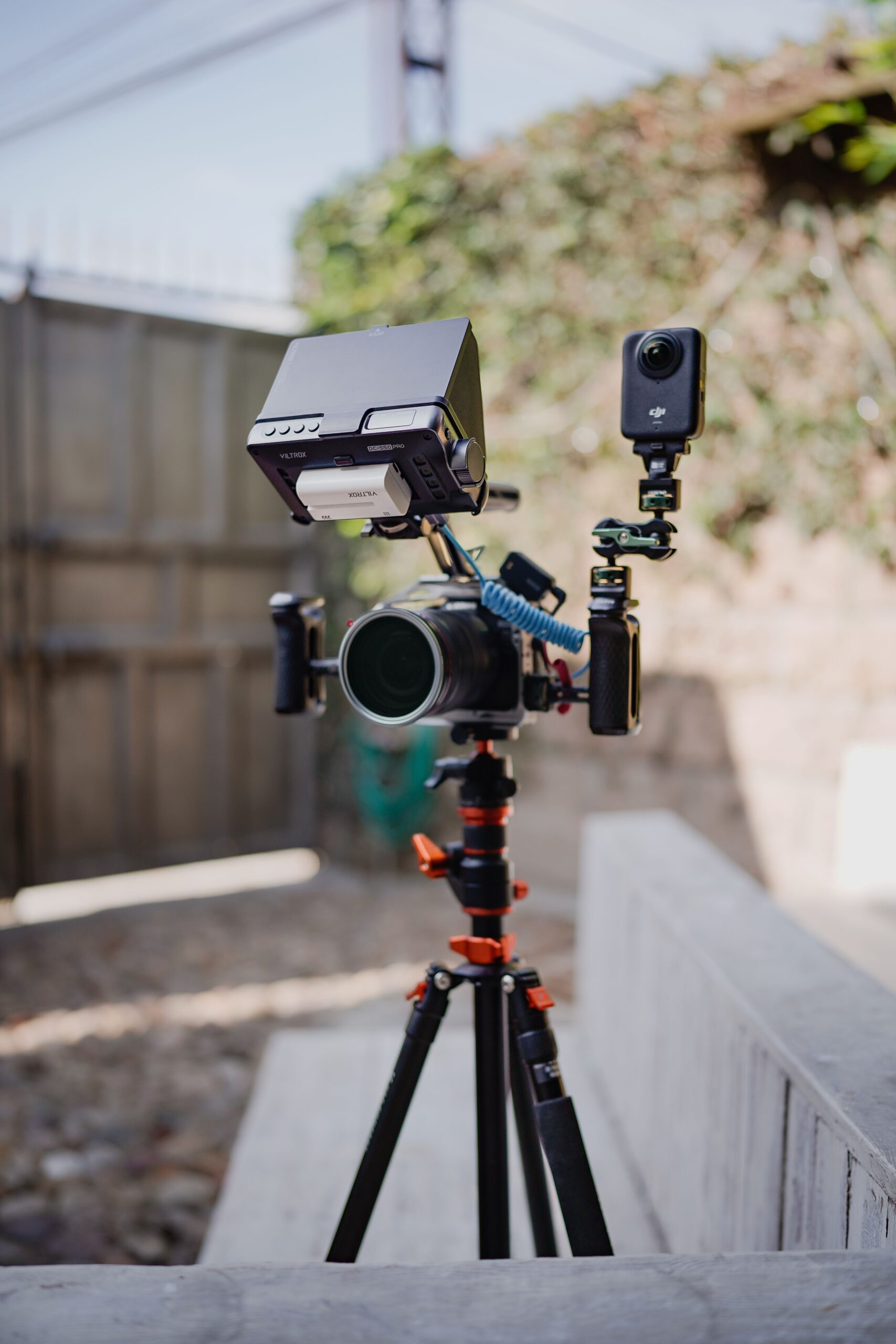
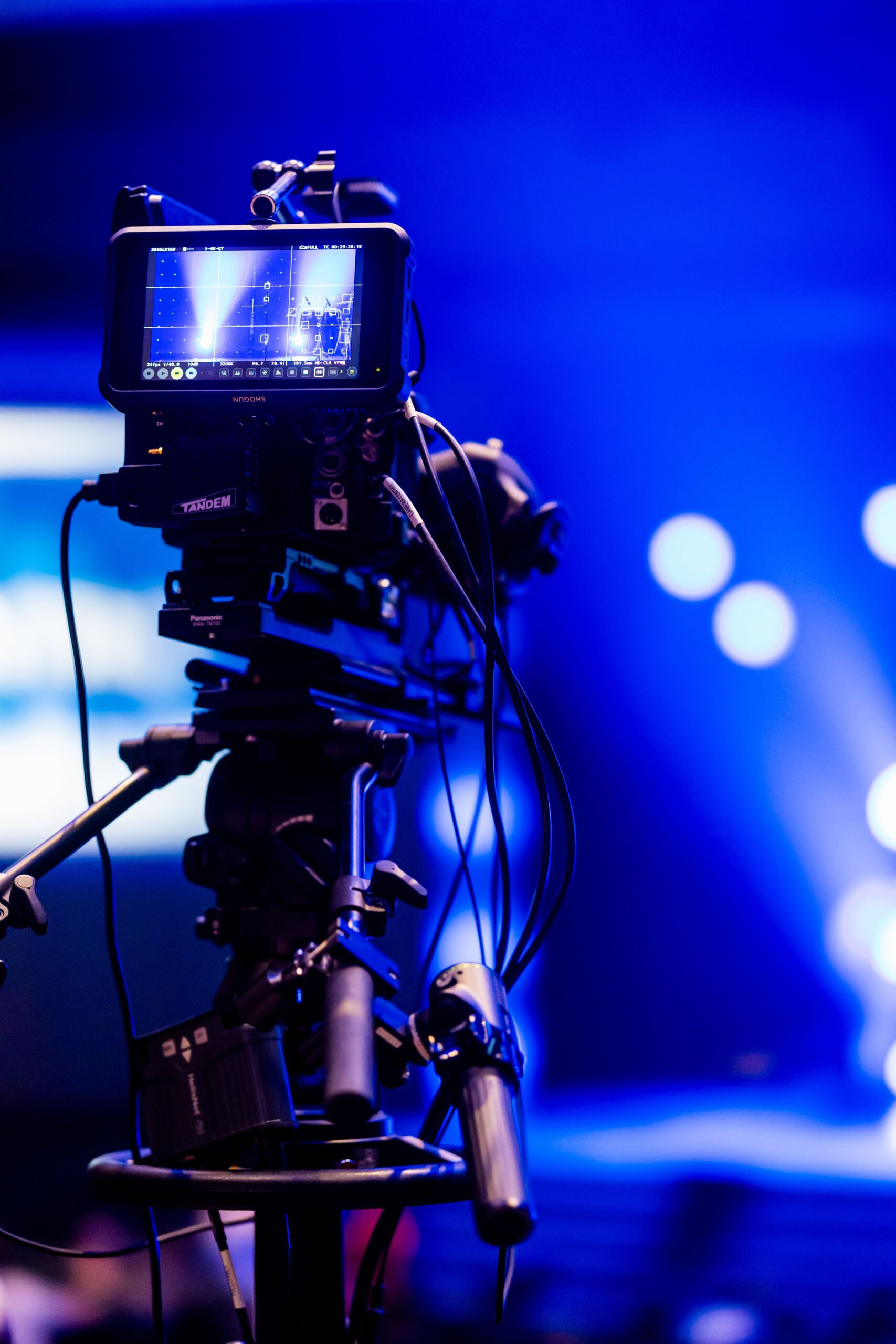
Support: A professional fluid head tripod, a gimbal for smooth motion shots, and a full camera rig with a cage, external monitor, and wireless follow-focus system .
-
Lighting: A more comprehensive lighting kit with multiple lights and modifiers.
-
Audio: An upgraded sound kit with an industry-standard shotgun mic, a multi-track recorder, and wireless lavalier systems.
The Philosophy: “Gear should follow income, not lead it” . Don’t buy this kit until you’re being paid enough that the investment makes financial sense.
The Hidden Costs That Will Ambush You
The camera and gear are just the tip of the iceberg. The real cost of filmmaking is often hidden in the areas you don’t see until you’re in the middle of production. Understanding these is the difference between finishing your film or abandoning it.
1. The Daily Rate Method
A producer doesn’t just guess a final number. They build the budget one day at a time . The biggest driver of your film’s cost isn’t the camera; it’s the number of shoot days. Every day you shoot, you’re paying for crew, feeding everyone, renting the gear, and getting everyone to the location.
Here’s the producer’s reality check: If you have a 20-page script and you can only shoot 5 pages a day, that’s 4 shoot days. If you can shoot 3 pages a day because the scenes are complex, that’s over 6 shoot days. Those extra days cost thousands of dollars . So, your first act as a budget filmmaker is often rewriting your script to be simpler.
2. The World of Software and Storage
You’ve finished shooting! Now, how do you make it into a movie?
-
Editing Software: Options range from the free and powerful DaVinci Resolve to subscription models like Adobe Premiere Pro ($300-$700/year) .
-
Storage: The data monster is real. You will generate terabytes of footage, and that footage needs to be backed up and stored on fast, reliable drives. Good external SSDs like the Samsung T7 are essential, and the costs for storage often surprise first-timers .
3. The “Unsexy” but Essential Stuff
These aren’t glamorous, but if you skip them, you might not have a film to show for your efforts.
-
Insurance: Production insurance is non-negotiable. It protects you if someone gets hurt or your gear gets damaged. It’s a significant line item in any real budget .
-
Legal and Music: Need to use a song? You need a license. Need an actor to sign a release form? That’s legal work. Contractors, location releases, and clearing the rights to your own film (called “Chain of Title”) can kill a distribution deal if they’re not handled properly .
-
Post-Production: Don’t forget the cost of finishing your film! Color grading, sound design and mixing, and visual effects (VFX) are often 25-40% of your production budget .
The Ultimate Strategy: Creativity Over Cash
So, what’s the final verdict?
Starting filmmaking can cost you $0 (using your phone) or over $10,000, and you can still make a brilliant or a terrible film in either scenario.
The key is to embrace the limitations. The whole art of low-budget filmmaking is about resourcefulness. It’s about writing a story that can be told in one location, with a few characters, using practical effects and your own ingenuity . Start with the “Prove It” kit. Make mistakes. Learn what you actually need.
The most expensive thing in filmmaking isn’t a RED camera. It’s the false belief that buying expensive gear is the same as making a good movie. The truth is far more empowering: Story and creativity are free. And they are the only things that will ever truly make your film worth watching.


