






Let me be honest with you I know how overwhelming it feels to stand in the camera aisle or scroll through endless spec sheets, wondering if you’re about to make a $1,000 mistake. As someone who’s been through the “what do I actually need?” phase, trust me when I say the perfect camera for you isn’t the one with the flashiest features. It’s the one that gets out of your way so you can focus on telling your story.
The good news for 2026 is that the market is absolutely flooded with capable, beginner-friendly cameras. The bad news is… well, same problem. Choice paralysis is real. So let’s break this down by thinking about what you actually want to film and I’ve verified the current market prices so you know exactly what you’re getting into.
For the Storyteller Who Just Wants It to Look Cinematic: Fujifilm X-M5
If there’s one camera that genuinely excites me for beginners, it’s the Fujifilm X-M5. Even a self-proclaimed Nikon fanboy at Digital Camera World couldn’t stop raving about this little powerhouse.

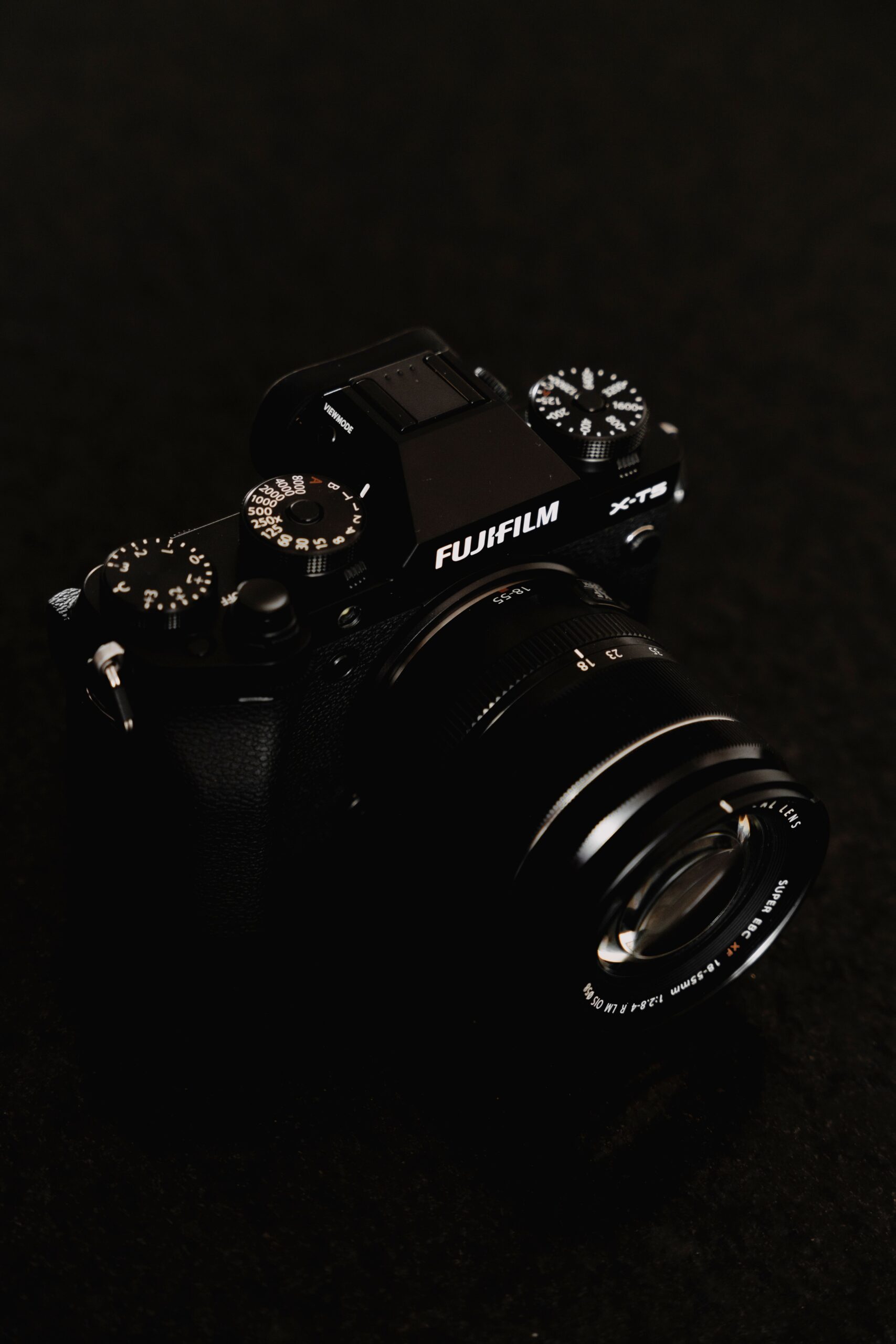
Here’s why it works: Fujifilm’s legendary color science, the Film Simulation modes (Eterna, Classic Chrome, and 20 others), give your footage a cinematic grade straight out of camera. No color grading software required. For a beginner, that’s massive. Editing is already a steep hill to climb why make it harder by fighting with flat, washed-out footage?
The specs punch way above its weight too. We’re talking 6.2K open-gate video and 4K at 60p, with 10-bit 4:2:2 internal recording. The dedicated Film Simulation dial makes it almost tactile and fun to use, and the subject detection autofocus locks onto faces and stays there.
Current Market Pricing (June 2026):
-
Body only: $1,130 USD
-
With 15-45mm kit lens: ~$1,003 USD (best price at Newegg)
Who it’s for: The content creator who wants beautiful, finished-looking footage without spending hours in post-production. It’s small enough to take anywhere and powerful enough to grow with you.
One watch-out: There’s no viewfinder, so you’ll be composing everything on the screen. If that doesn’t bother you, this is an absolute gem.
For the Vlogger and On-the-Move Creator: Nikon Z50II
If vlogging or hybrid photo-video work is your thing, the Nikon Z50II is arguably the most well-rounded beginner camera in 2026.

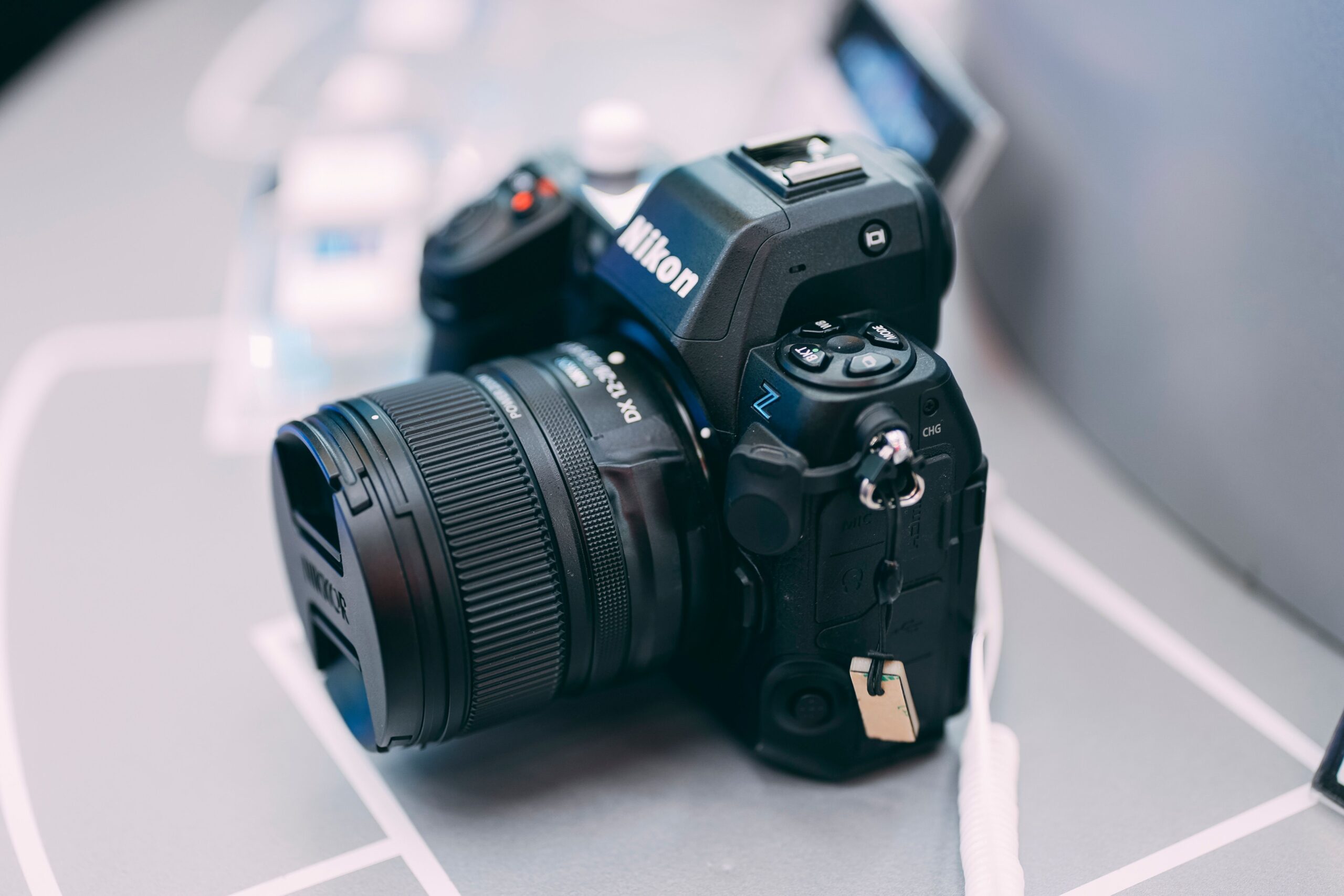
Nikon took the sensor from its entry-level model but shoved the brains from its flagship Z8 and Z9 into it. That means pro-level subject detection and 3D tracking in a compact, affordable body. Whether you’re filming your dog running through a park or capturing kids at a family event, the autofocus just works.
It shoots 4K at 60p, has a fully articulated screen that flips around for vlogging, and comes with weather sealing that’s rare at this price point.
Current Market Pricing (June 2026):
-
Body only: $1,399 AUD (Australian pricing)
-
Two-lens kit (16-50mm + 50-250mm): ~$1,260+ USD (Scratch & Dent price)
-
Hong Kong pricing: HK$6,700-7,710 (body only)
Who it’s for: Creators who want a reliable all-rounder for both video and stills, and don’t want to babysit the autofocus.
One watch-out: The native DX-format lens selection is a bit limited, but you can adapt full-frame Z-mount lenses as you grow.
For the “Make It Look Like a Movie” Filmmaker: Sony FX30
If you know you want to do filmmaking not just casual vlogging or family videos the Sony FX30 is where things get interesting. It’s often called one of the best cinema cameras for indie shooters on a budget.
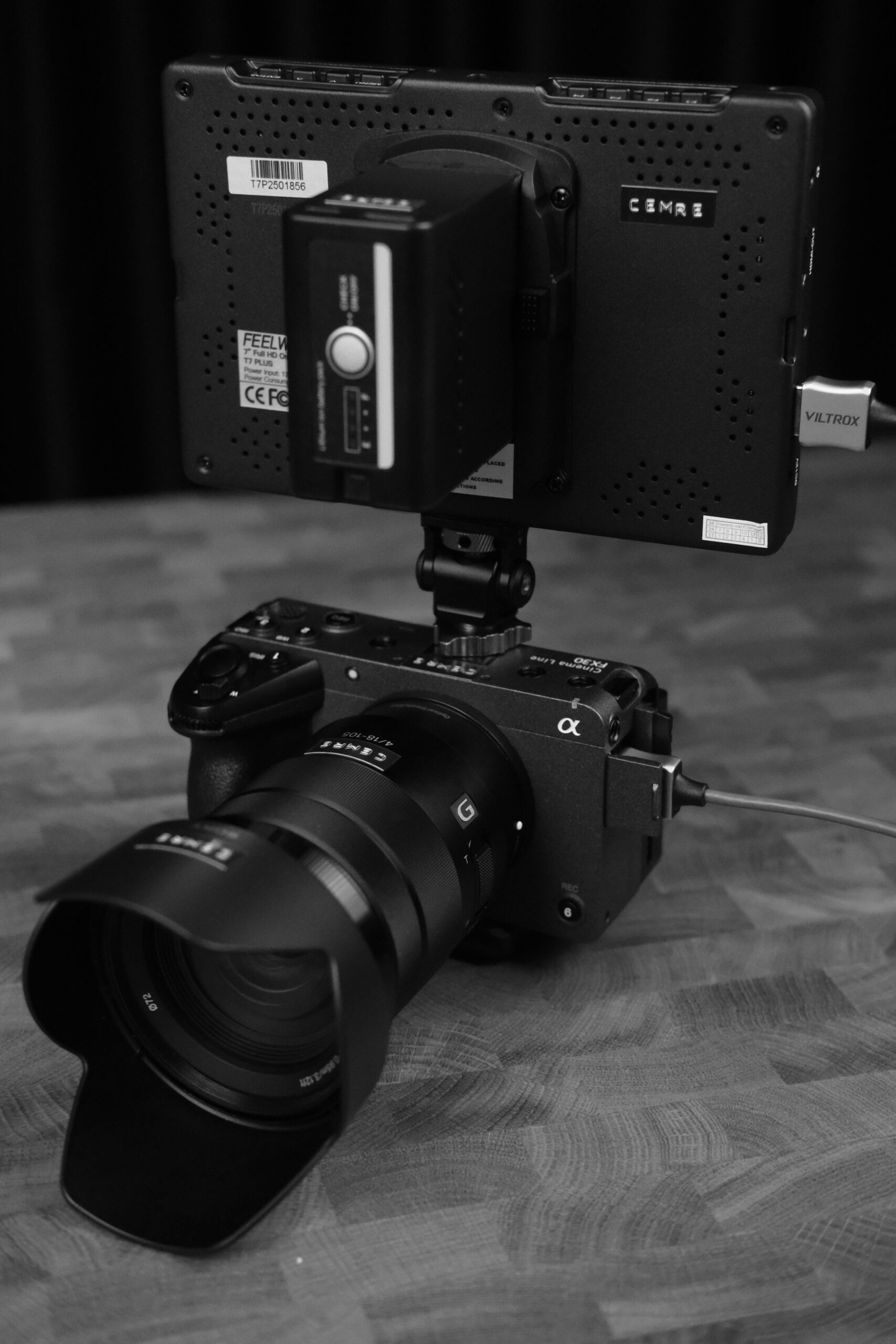
The FX30 is a cine-focused APS-C body that gives you 10-bit 4:2:2 internal recording, S-Cinetone and S-Log3 for color grading, and Sony’s industry-leading autofocus. It also has in-body image stabilization (IBIS) that smooths out handheld walking shots. You also get practical filmmaking tools like false color and waveform monitors.
Current Market Pricing (June 2026):
-
Body only: $1,798 USD (best price at Amazon)
-
Australian pricing: $2,349 – $2,666 AUD (Kayell Australia has the lowest at $2,349)
-
Indonesian pricing: Rp26-28 million
Who it’s for: Beginners who know they want to take filmmaking seriously and plan to shoot documentaries, commercials, or narrative work.
One watch-out: It’s pricier than the other options here, but it’s a tool that won’t hold you back as you improve.
For the True Beginner on a Tight Budget: Canon EOS R100
If your budget is truly tight, the Canon EOS R100 is probably the most affordable entry point into interchangeable-lens filming. It’s simple, it works, and it gives you access to Canon’s massive RF lens ecosystem.
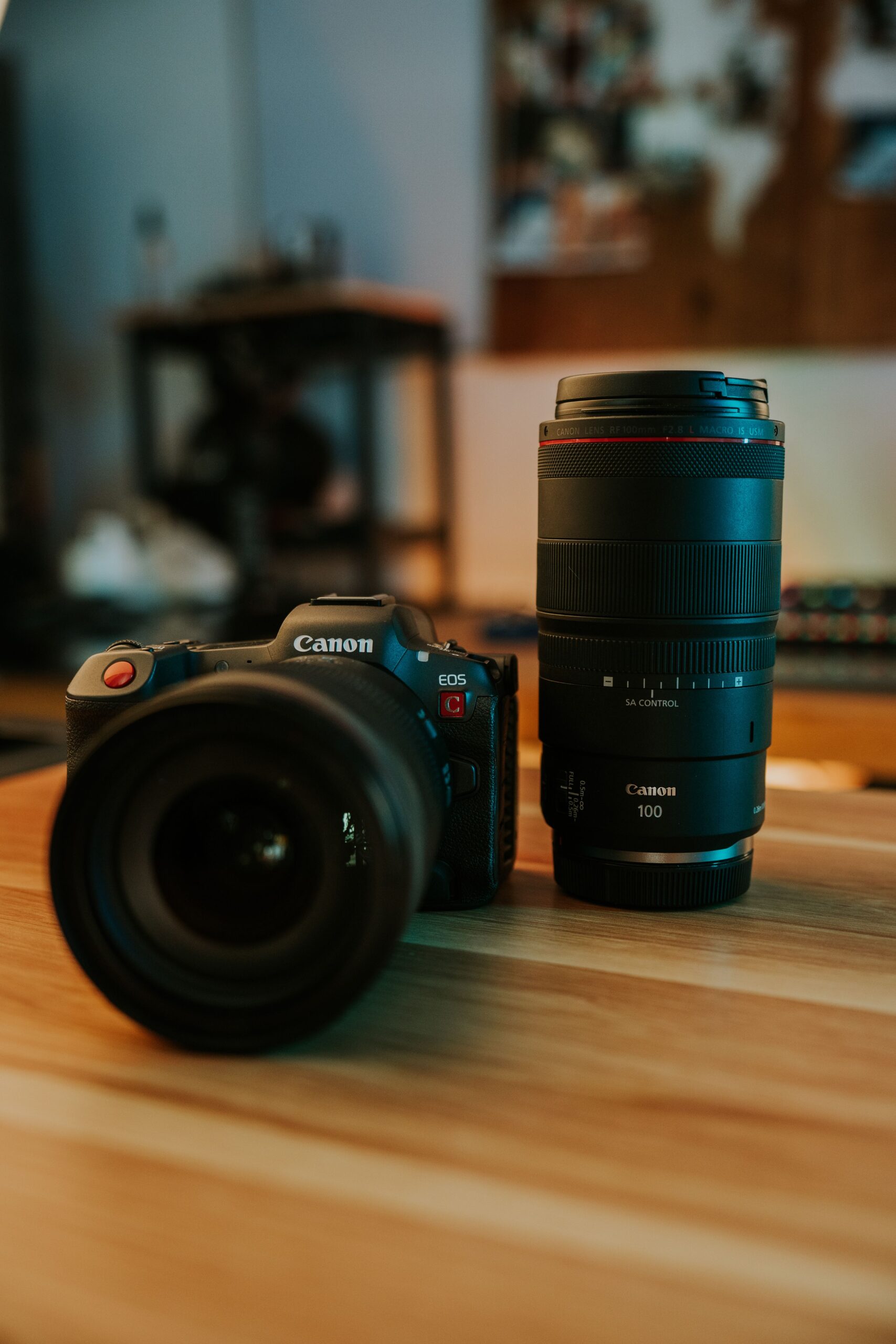
It shoots 4K at 30p and 1080p at 60p, with Canon’s Dual Pixel CMOS AF (in 1080p) and Eye Detection AF for keeping faces sharp. The guided menus make it easy to understand exposure settings, and it’s compatible with Canon’s expanding RF lens system.
Current Market Pricing (June 2026):
-
With 18-45mm kit lens: $499 USD at B&H (deal price originally $679)
-
Indian pricing: ₹46,990 – ₹51,999 (with lens)
Who it’s for: Anyone who wants to learn the fundamentals of interchangeable-lens filmmaking on a budget.
One watch-out: The 4K mode has a crop factor and the screen is fixed, so it’s not ideal if video is your main priority.
Quick Comparison Table (June 2026 Pricing)
| Camera | Body Only | With Kit Lens | Best For |
|---|---|---|---|
| Fujifilm X-M5 | $1,130 | $1,003 | Cinematic color out-of-the-box |
| Nikon Z50II | $1,399 AUD / HK$6,700+ | $1,260+ (two-lens kit) | All-round vlogging and hybrid work |
| Sony FX30 | $1,798 USD / $2,349 AUD | Serious indie filmmaking | |
| Canon EOS R100 | $499 (deal price) | Budget learning |
What Actually Matters (And What Doesn’t)
Prioritize 10-bit color if you can. It preserves skin tones and gradients when you color grade.
Autofocus isn’t cheating. Especially if you’re a solo creator, reliable face tracking is a lifesaver. You don’t want to be constantly checking focus while delivering a monologue.
A microphone input is non-negotiable. Built-in mics are fine for scratch audio, but terrible for real content. Make sure whatever you buy has a 3.5mm jack for an external mic.
Don’t obsess over sensor size. APS-C sensors are fantastic for beginners. They handle low light well, keep the body small, and lenses are affordable.
My take:
If I had to pick one camera to recommend to most people reading this, it would be the Fujifilm X-M5. It’s affordable, it’s powerful, it makes your footage look great with zero effort, and it has enough room to grow with you.
But the best camera is the one you’ll actually pick up and use. A $5,000 camera that stays on a shelf shoots nothing. A $1,000 camera that you carry everywhere will teach you everything.
So start simple, shoot often, and remember that the gear doesn’t tell the story you do.
Prices verified as of June-July 2026. Camera pricing varies by region, retailer, and promotions. Always check current prices before purchasing. free to drop your comment.


