




So you want to make videos. Maybe it’s YouTube. Maybe it’s short films. Maybe you just want to stop looking like a potato on Zoom calls.
Whatever the reason, you’ve probably already fallen down the rabbit hole of gear reviews. And let me tell you it’s a deep, expensive hole.
Here’s the thing nobody tells you: the best camera in the world won’t save a video with bad audio. And a $5,000 lens won’t fix bad lighting. Ask anyone who’s been doing this for more than five minutes they’ll tell you the same thing.
So let’s cut through the noise. Here’s what actually matters in 2026, and what you can safely ignore.
The Real Priority List (Not What the Ads Tell You)
If you’re starting from zero, your money should go in this order:
1. Audio First, Always
Built-in camera microphones are garbage. Even on expensive cameras. Even on phones. At arm’s length, your voice is competing with every other sound in the room at roughly equal volume. Step outside? Forget it .

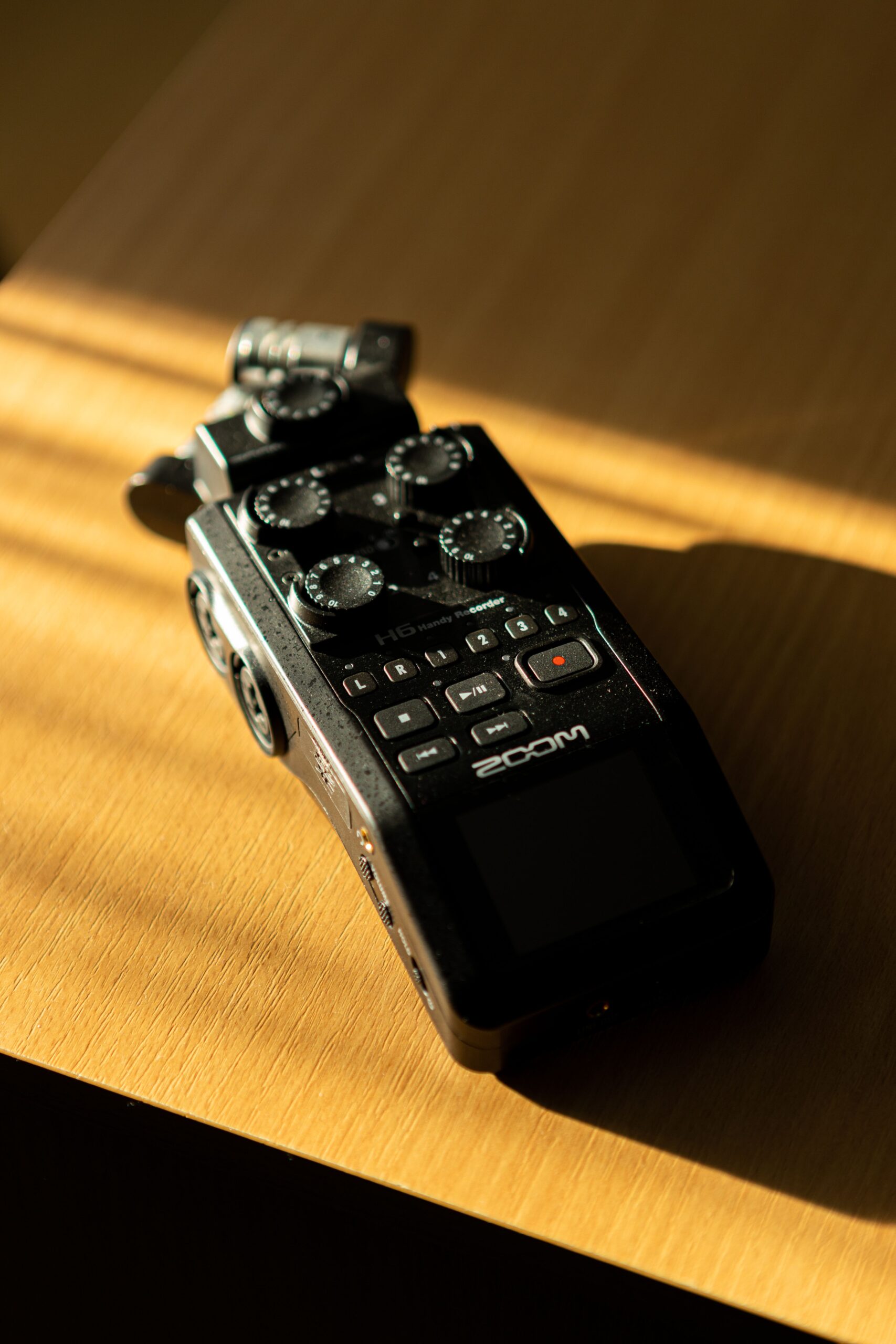
What you actually need: A wireless clip-on microphone. The Hollyland LARK M2 is a popular choice—it weighs 9 grams, clips to your collar, and sends clean audio to your camera or phone. Battery life runs to 40 hours, which means you’re not charging it every five minutes .
Budget move: If you’re desk-bound, a USB microphone plugged into your laptop works fine for talking-head stuff .
2. Light: Camera
Bad lighting ruins every clip, no matter how good your sensor is .

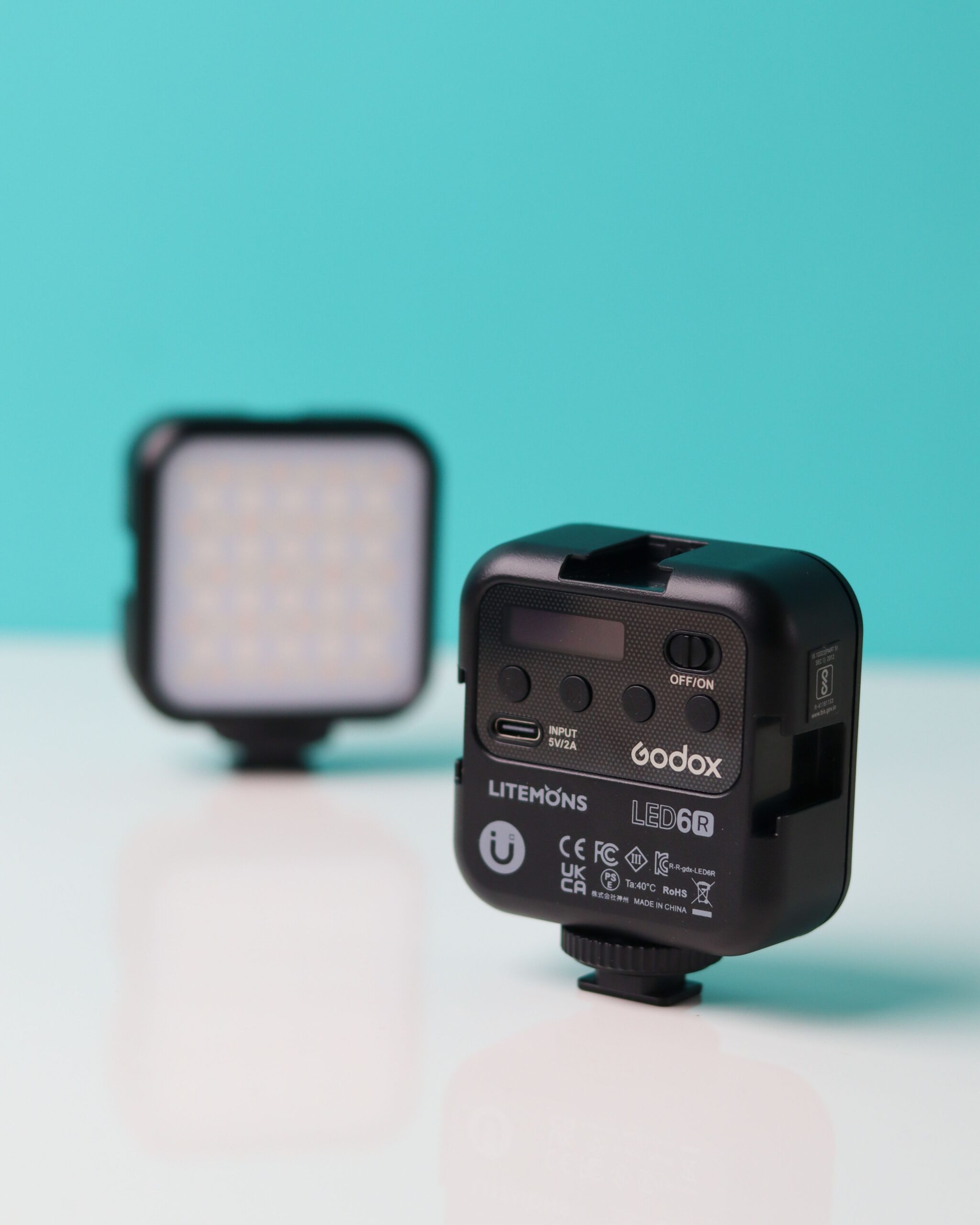
What you actually need: One decent light source. A compact RGB LED panel with adjustable color temperature (CRI ≥ 95) will cover 80% of your needs . Position it at a 45-degree angle to your face for that professional look without harsh shadows.
Zero-dollar upgrade: Face a window. Not a ring light an actual window with natural light coming in from the front. It’s free, it’s flattering, and it works .
3. Tripod (For the Love of God, Get a Tripod)
Shaky footage loses viewers within seconds . You can’t hold a camera perfectly still. Your hands shake. Your arms get tired. The footage looks like garbage.
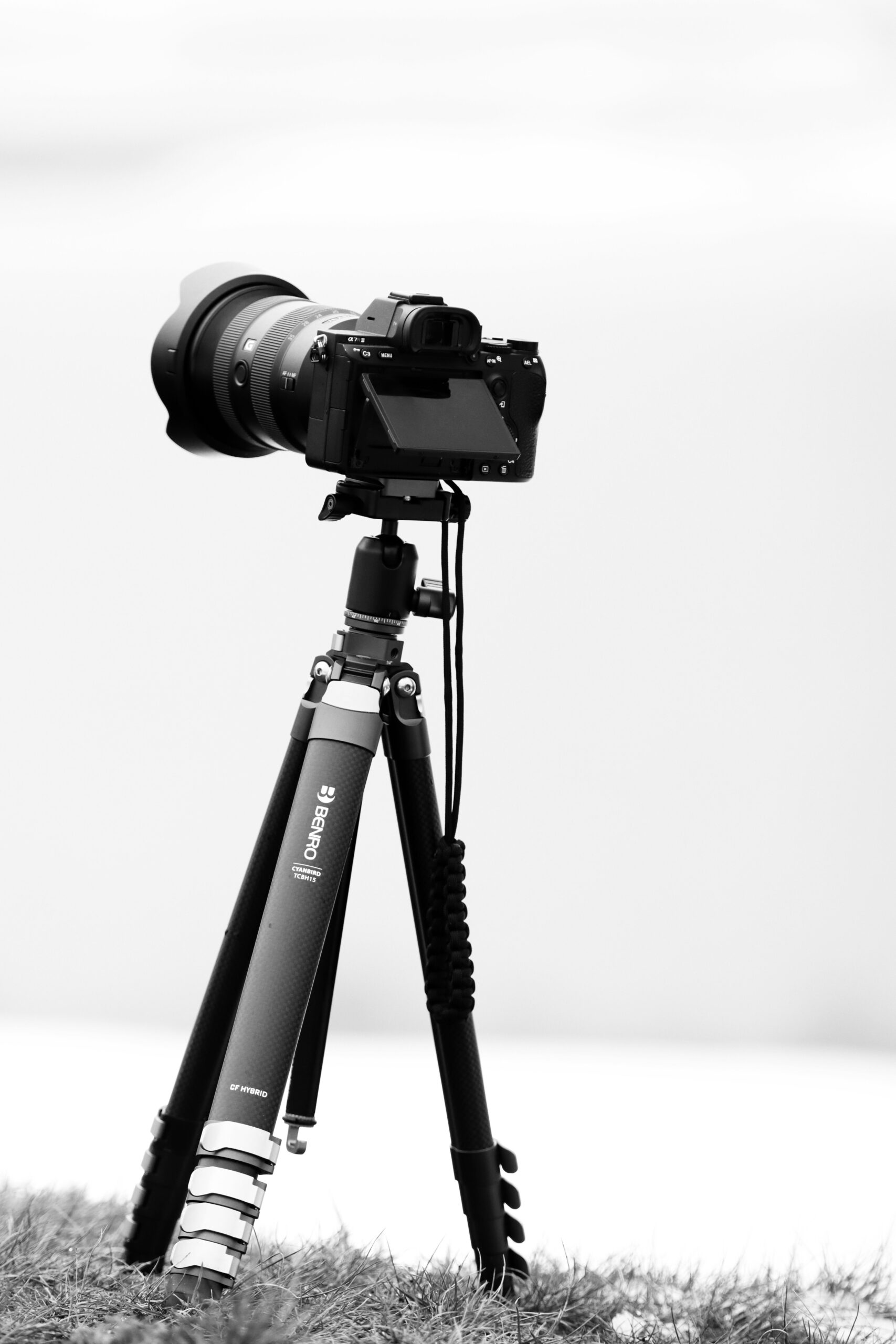
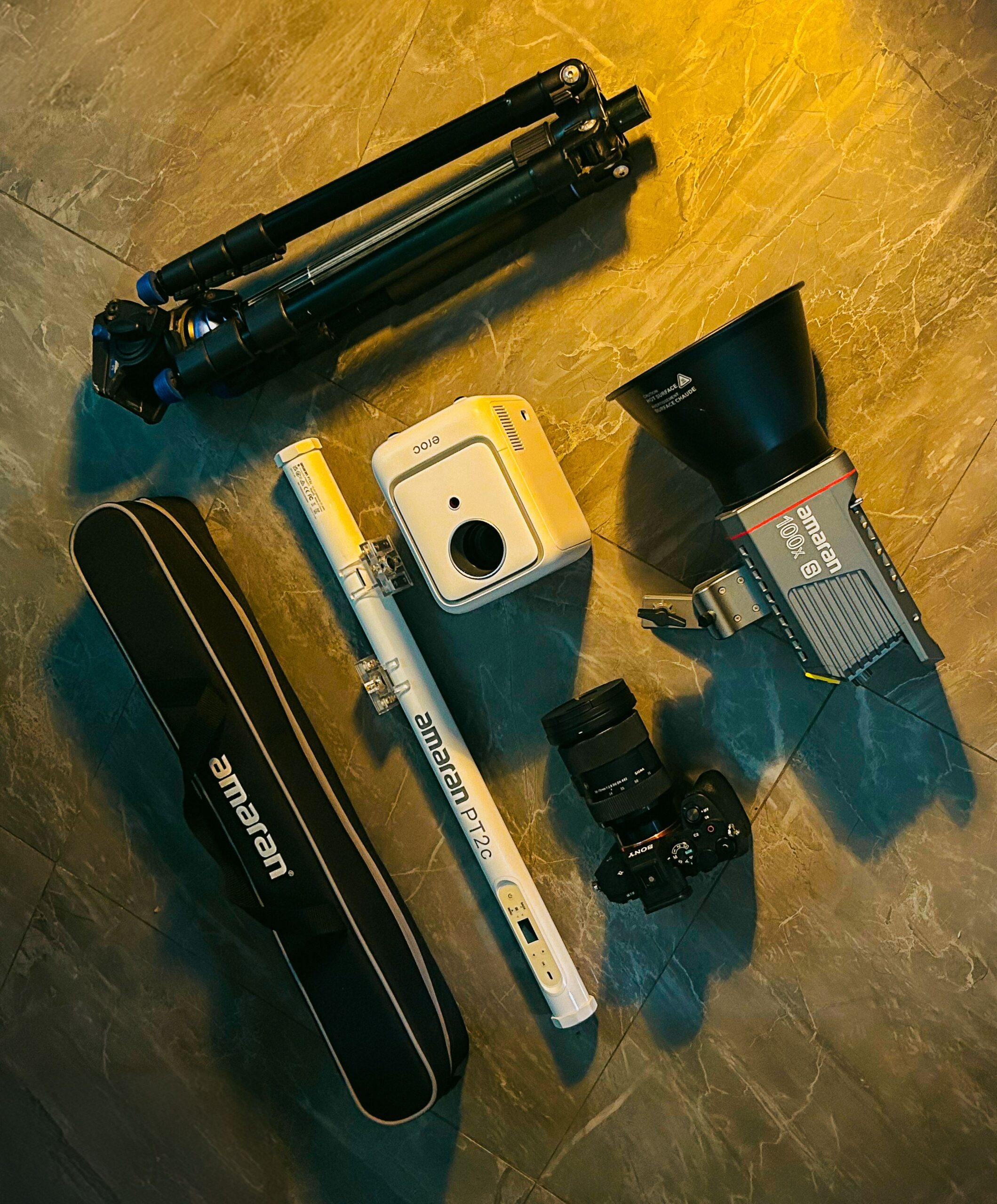
What you actually need: A sturdy tripod that doesn’t wobble. Aluminum is fine for beginners carbon fiber is lighter but pricier. Look for one that reaches at least eye level .
Smart feature to look for: A quick-release system so you can pop your camera on and off without screwing things in every time. The Falcam F38 system is popular for this .
4. The Camera (Finally)
Yes, the camera matters. But here’s the truth: a modern smartphone with good stabilization and a flip screen will outperform a $2,000 mirrorless camera with no audio and shaky handheld footage .

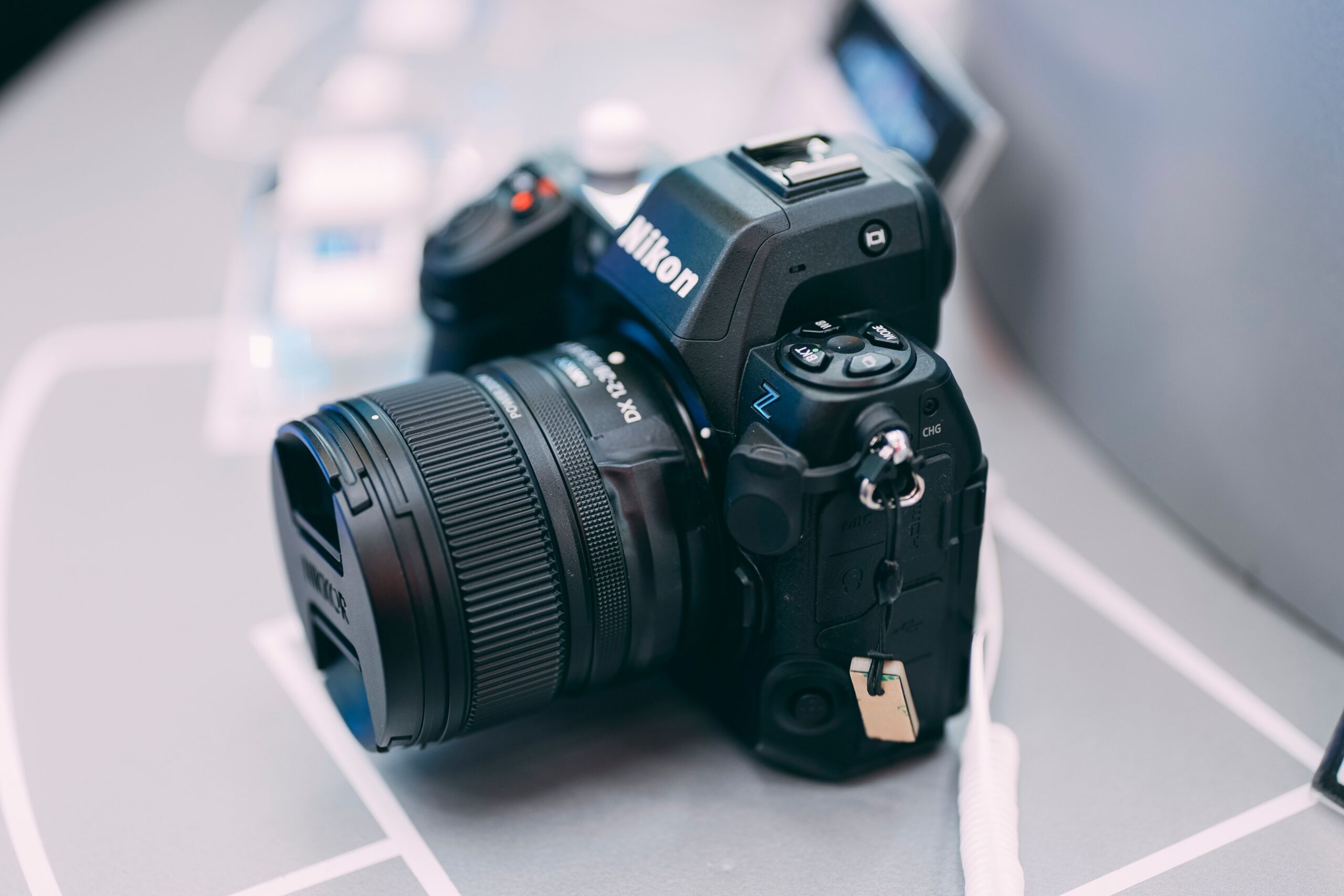
What you actually need: Something with a screen that faces you (so you can see yourself while recording). Face-tracking autofocus is non-negotiable if you’re filming solo .
If you’re buying a dedicated camera: Get full manual control, flexible frame rates, and a log/flat profile for color grading. Pair it with two fast prime lenses one wide, one slightly tighter and a versatile zoom .
The Stuff You Don’t Need (Yet)
External monitors: If you’re just starting, your camera’s built-in screen is fine. A monitor is a luxury, not a necessity .
Expensive cinema lenses: You can rent these when you need them. Buy affordable primes first .
Three-point lighting kits: You don’t need three lights. You need one good light positioned correctly .
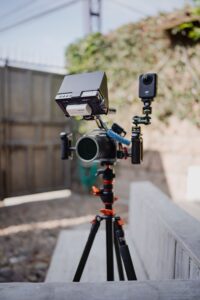
Camera cages: Unless you’re mounting five accessories simultaneously, a cage is overkill .
The Accessories That Actually Save Your Shoot
These are the little things that separate a smooth production from a disaster:
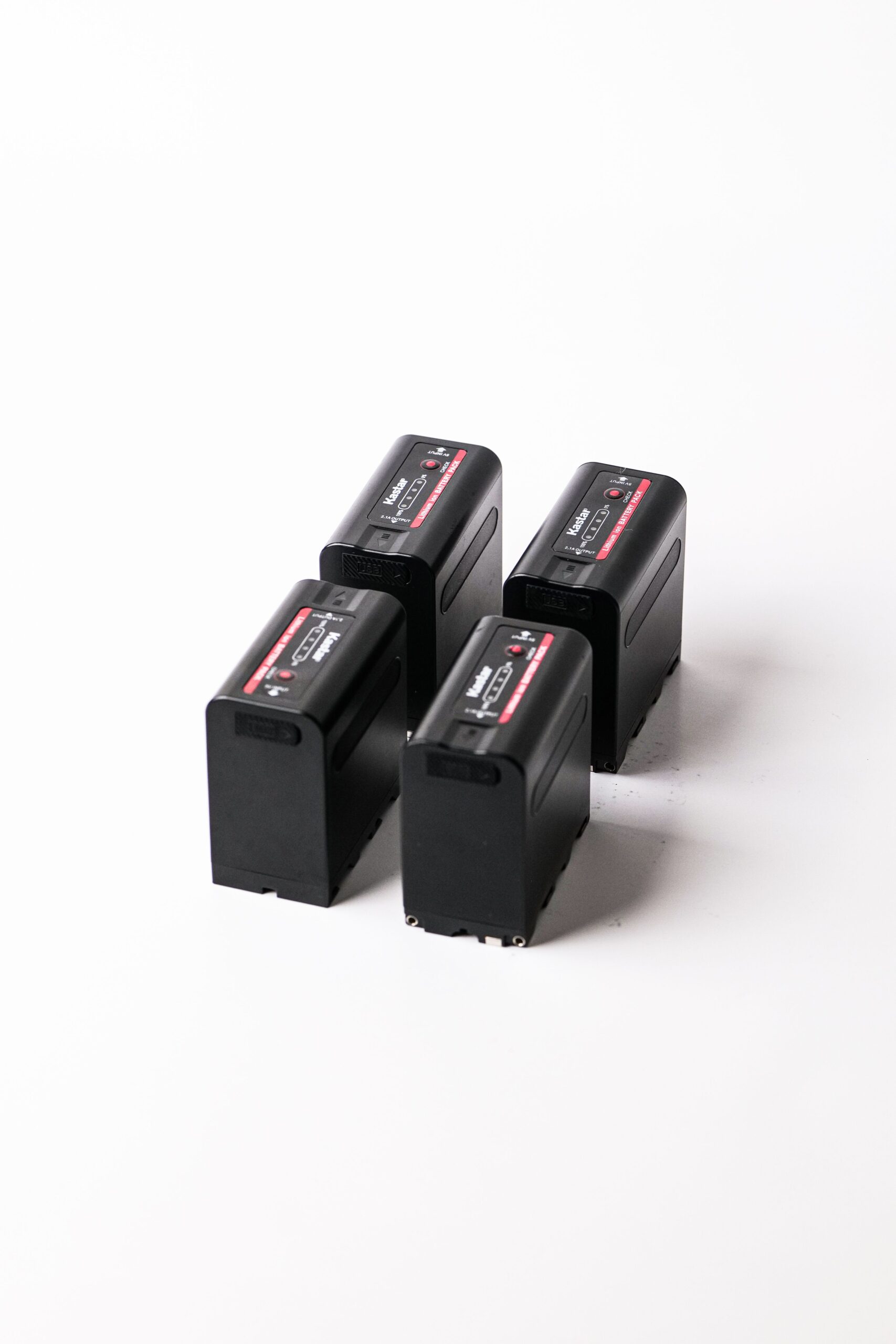
Extra batteries. Pack at least three for a full day of shooting . Rechargeable ones are non-negotiable. Nothing kills momentum like waiting for a battery to charge.
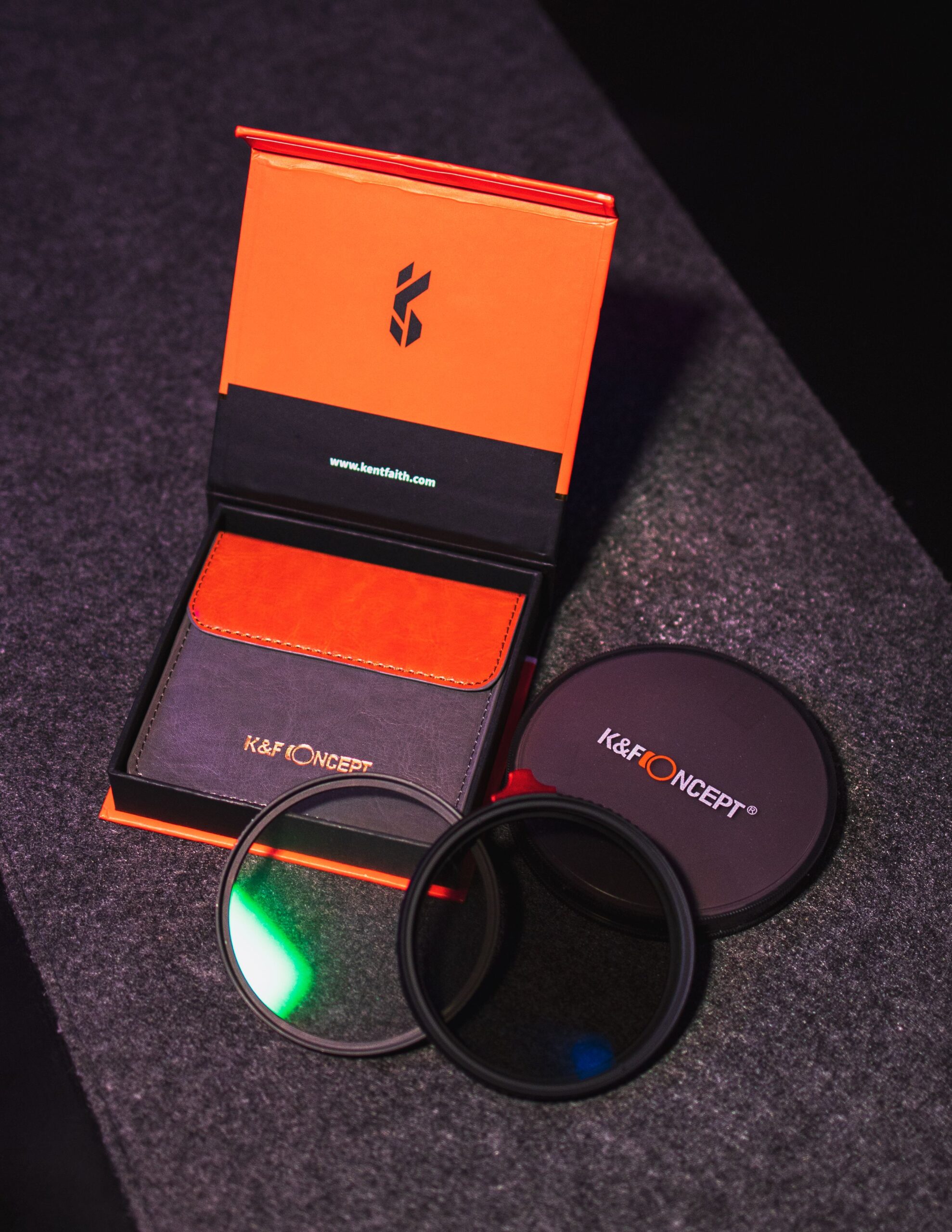
ND filters. If you’re shooting outdoors in daylight, you need neutral density filters to keep your shutter speed and aperture under control . They also protect your lens.

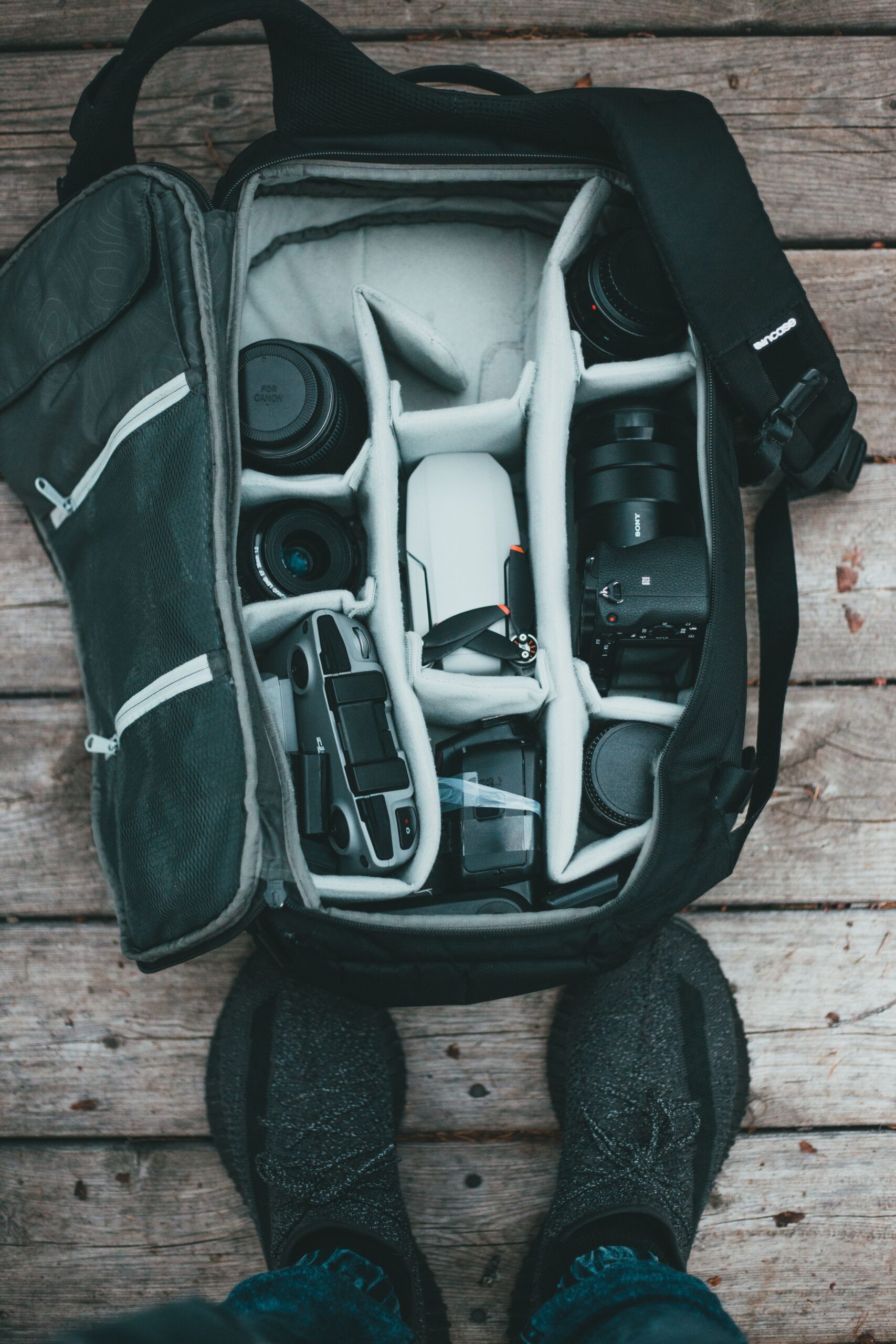
A good bag. Not just any bag one with padded compartments, weather resistance, and quick access for tripods and lights . The Ulanzi BP10 expands from 25L to 35L, which is handy for carrying extra gear .
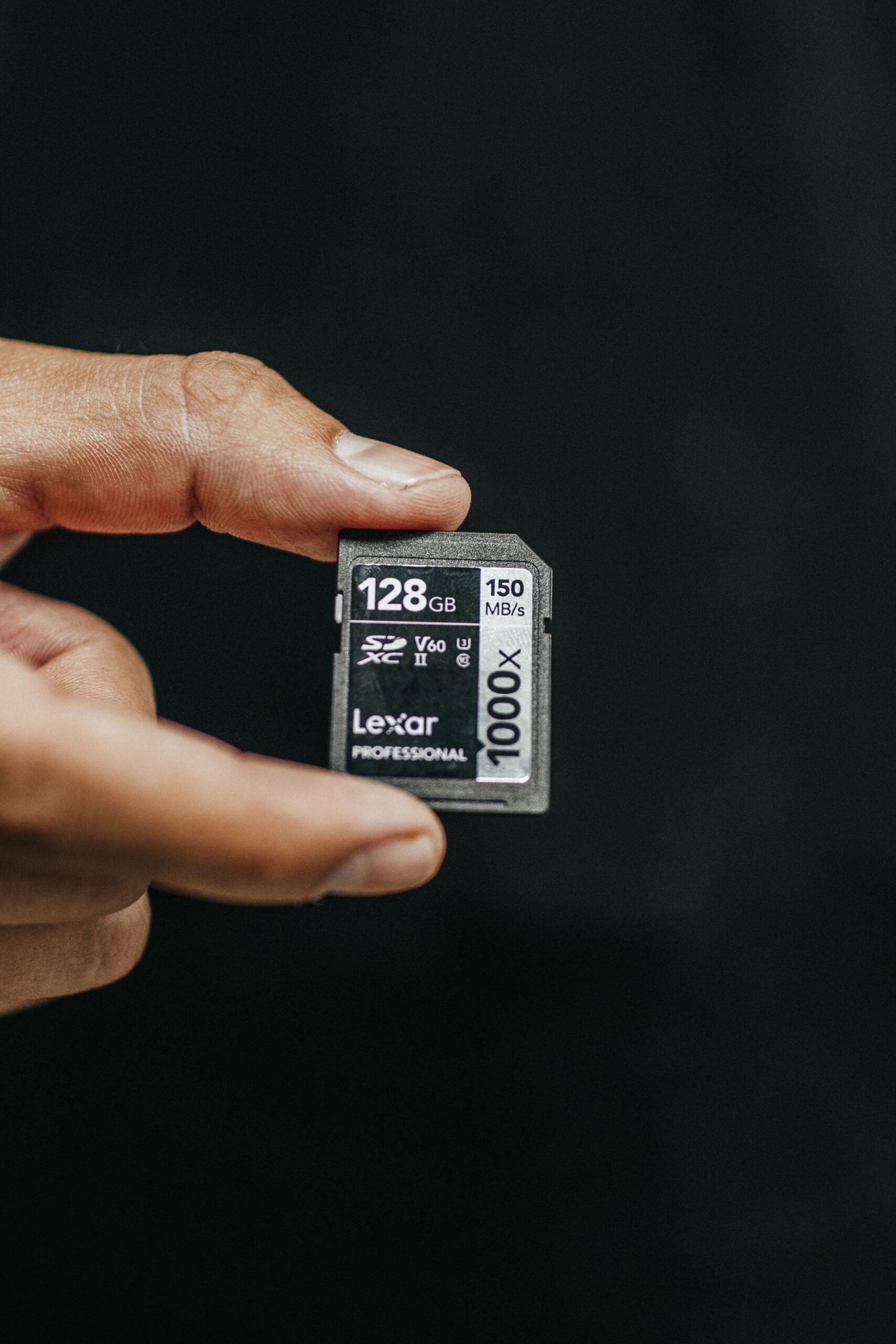
Memory cards. Multiple ones. Labeled. A 32GB card holds about 5-10GB per half-hour of 4K footage. Do the math .
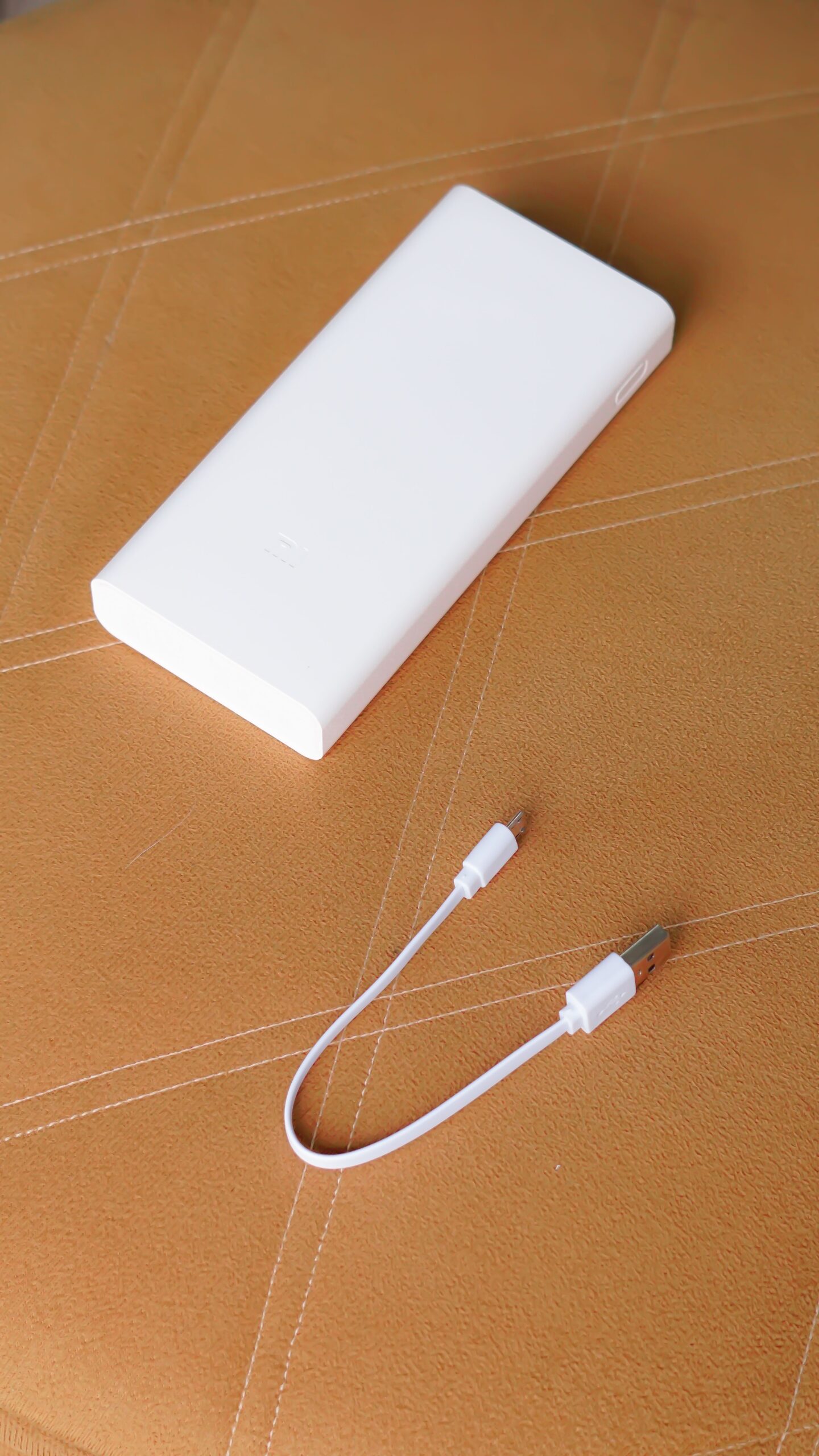
A power bank. Anker’s 25,000mAh bank charges laptops, phones, cameras, and drones. The fact that it has two USB-C cables built in (one doubles as a strap) is genuinely life-changing .

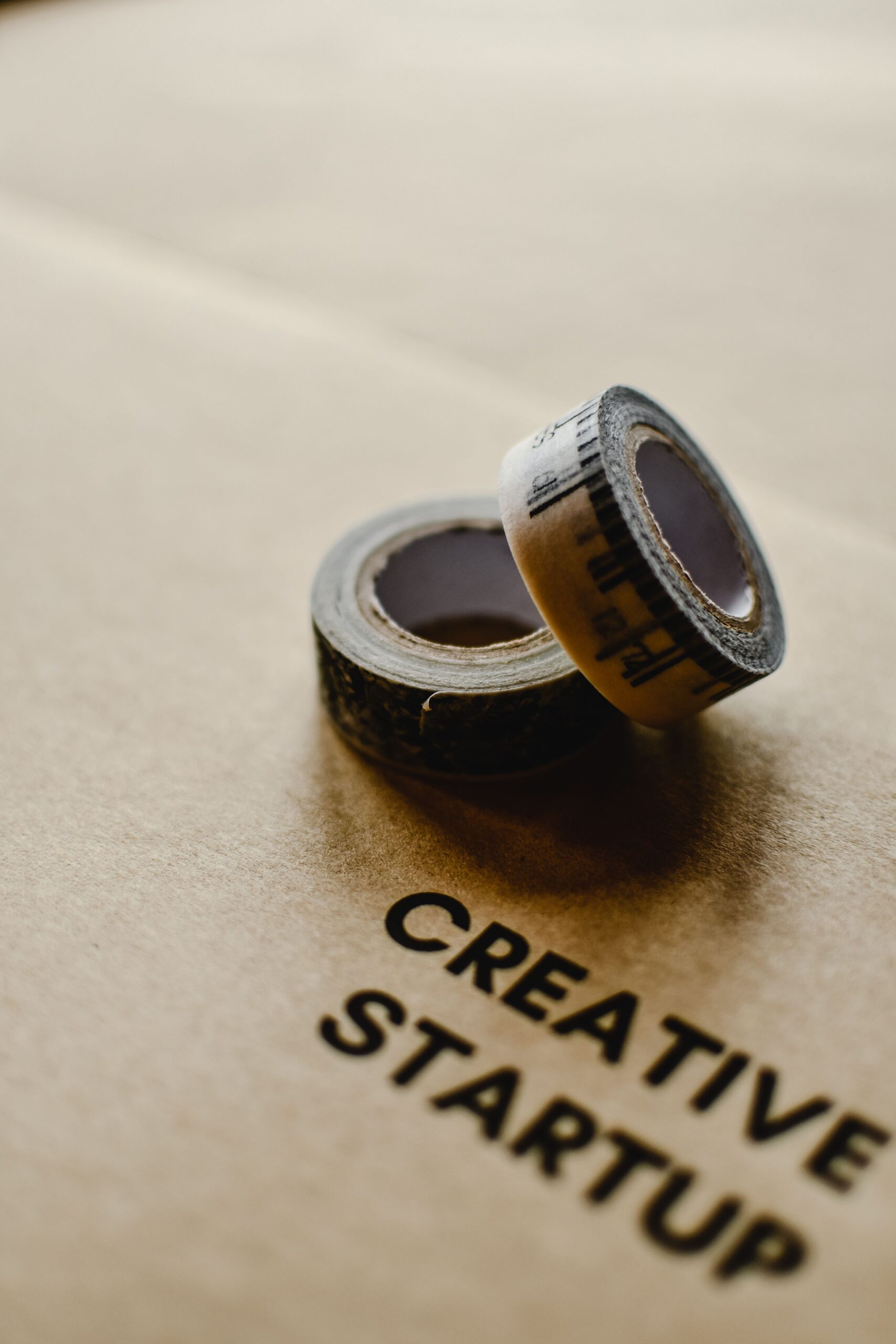
Gaffer tape. Trust me on this one. You will need to tape something down eventually .
The 2026 Specifics Worth Knowing
This year has a few quirks worth paying attention to:
Smartphone videography is legit. By 2026, more viral clips are shot on iPhones and Samsungs than on dedicated cameras . Accessories like the SmallRig phone cage with cold-shoe mounts let you add microphones and lights without breaking the bank .
32-bit float audio is a lifesaver. It captures such a wide dynamic range that sudden shouts or whispers don’t clip or vanish . You can adjust gain in post without ruining the audio.
MagSafe mounts are everywhere. Magnetic mounting systems make it dead simple to attach phones to tripods, cages, and accessories .
Gimbals are cheaper than ever. DJI and Zhiyun offer excellent options for both phones and mirrorless cameras .
The Starter Setup (Under $500)
If you’re on a tight budget, here’s a setup that works:
Camera: Your smartphone (seriously, it’s fine)
Audio: A wireless clip-on mic like the Hollyland LARK M2
Stabilization: A compact tripod with a quick-release mount
Lighting: A portable RGB LED panel with adjustable color temperature
Storage: A portable SSD or extra memory cards
Bag: A padded bag or pouch that fits everything
This gets you 90% of the way to professional-looking content. Everything else is an upgrade.
The Bottom Line
Nobody watches a video and says, “Wow, I bet that was shot on a an expensive camera.” They watch and say, “I liked that” or “I didn’t.”
The gear that matters is the gear that removes friction audio you can hear, lighting that doesn’t make you look like a witness in a crime documentary, stabilization that doesn’t give your viewers motion sickness.
Buy what you need. Shoot what you have. Upgrade when you hit a wall.
And for the love of whatever you believe in, get a microphone.


