




-
Canon PowerShot V1 (2026 Model)
No rig. No learning curve. Just pocket-sized 4K that makes your vacation vlogs look like a Netflix special. The screen flips for vertical Reels or horizontal films, and it charges 80% in 16 minutes more shooting, less waiting
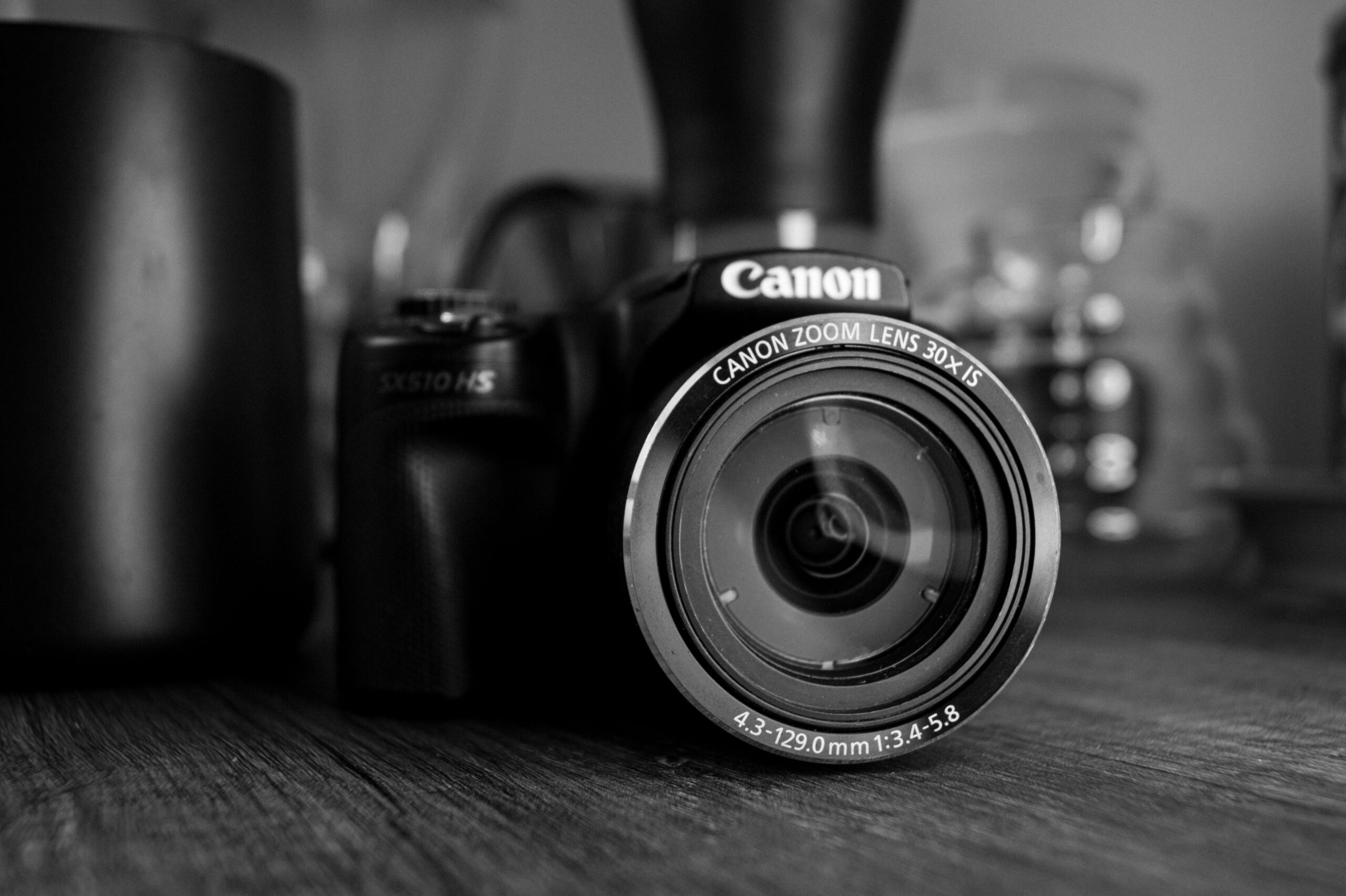

My honest take: This thing is a cheat code for lazy filmmakers. I reviewed one last month it’s basically a vlogging microwave: press a button, get food. The built-in cooling fan means you can record 4K until your SD card fills up, which no other compact does. The 14 color filters are genuinely fun, not gimmicks.
The catch? You’re stuck with that 16-50mm lens. No wide-angle punch-ins, no bokeh monster. And it costs nearly a grand. For that price, you could get a ZV-E10 with two lenses.
What it’s absolutely BEST at: Zero-thought run-and-gun. If you hate rigging, hate changing lenses, and just want to press record and get Canon’s buttery skin tones, buy this. It’s the “iPhone Pro Max but with real depth” camera.
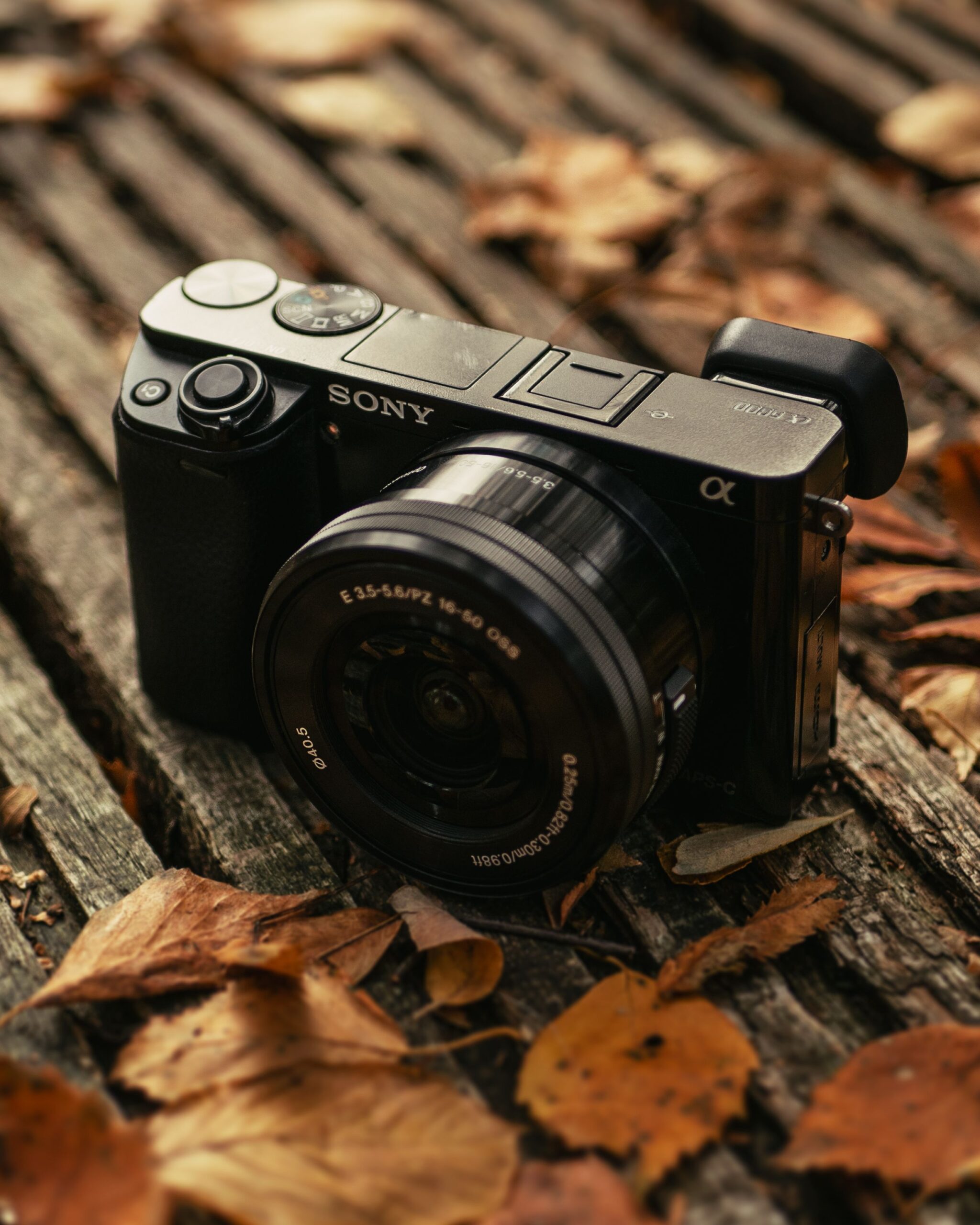
2. Sony ZV-E10 II
Everything you loved about the original, but now with a bigger battery that actually lasts, a new sensor for stunning 4K 60p video, and a grip that feels just right. It’s the vlogging camera that listened to your complaints
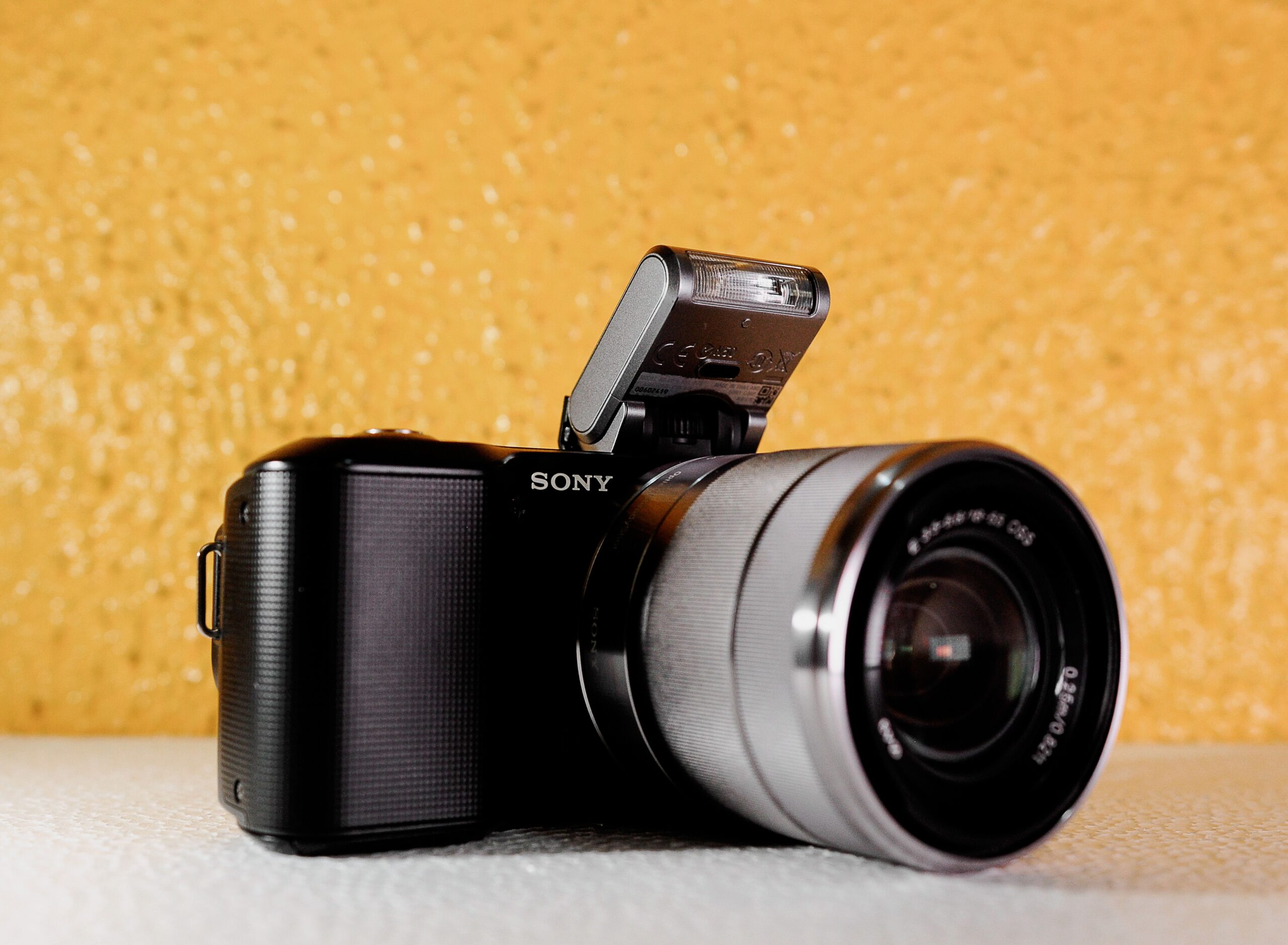

My honest take: I own the Mark I, and the Mark II finally fixed my biggest gripe the old one overheated in 4K after 20 minutes. This new one? I shot 45 minutes straight at a fashion show in 80°F weather. No shutdown. The 10-bit color is a massive leap you can actually grade the footage now without it falling apart.
The catch? Sony still cheaped out on the LCD screen. It’s 920k dots in 2026. My phone looks sharper. And the digital stabilization crops in so hard you lose your wide-angle. Buy a gimbal or deal with shaky footage.
What it’s ABSOLUTELY BEST at: Chasing moving subjects. The Real-time Tracking is legit voodoo. I pointed it at a running dog, a cyclist, and a kid on a swing never lost focus once. For music videos with dancers or action vlogs, nothing touches it under $1,500.
best filmmaking cameras 2026, budget cinema cameras, best cameras under $500, cinematic video cameras, beginner filmmaking gear, affordable 4K cameras, vlogging cameras 2026, Sony ZV-E10 II, Canon EOS R50, Panasonic Lumix G7, Panasonic Lumix G85, Sony a6100, DJI Osmo Pocket 3, Blackmagic Pocket 4K, Fujifilm X-S20, Nikon Z30, Canon PowerShot V1, Nikon ZR, best camera for music videos, best camera for short films, best vlogging camera, best camera for YouTube, cheap cameras that look good, filmmaking on a budget, indie filmmaker gear
3. Panasonic Lumix G7
The Panasonic Lumix G7 is a compact, feature-rich mirrorless camera that strikes an exceptional balance between still photography and 4K video production, making it an ideal choice for content creators, vloggers, and enthusiasts looking to upgrade from a smartphone or entry-level DSLR
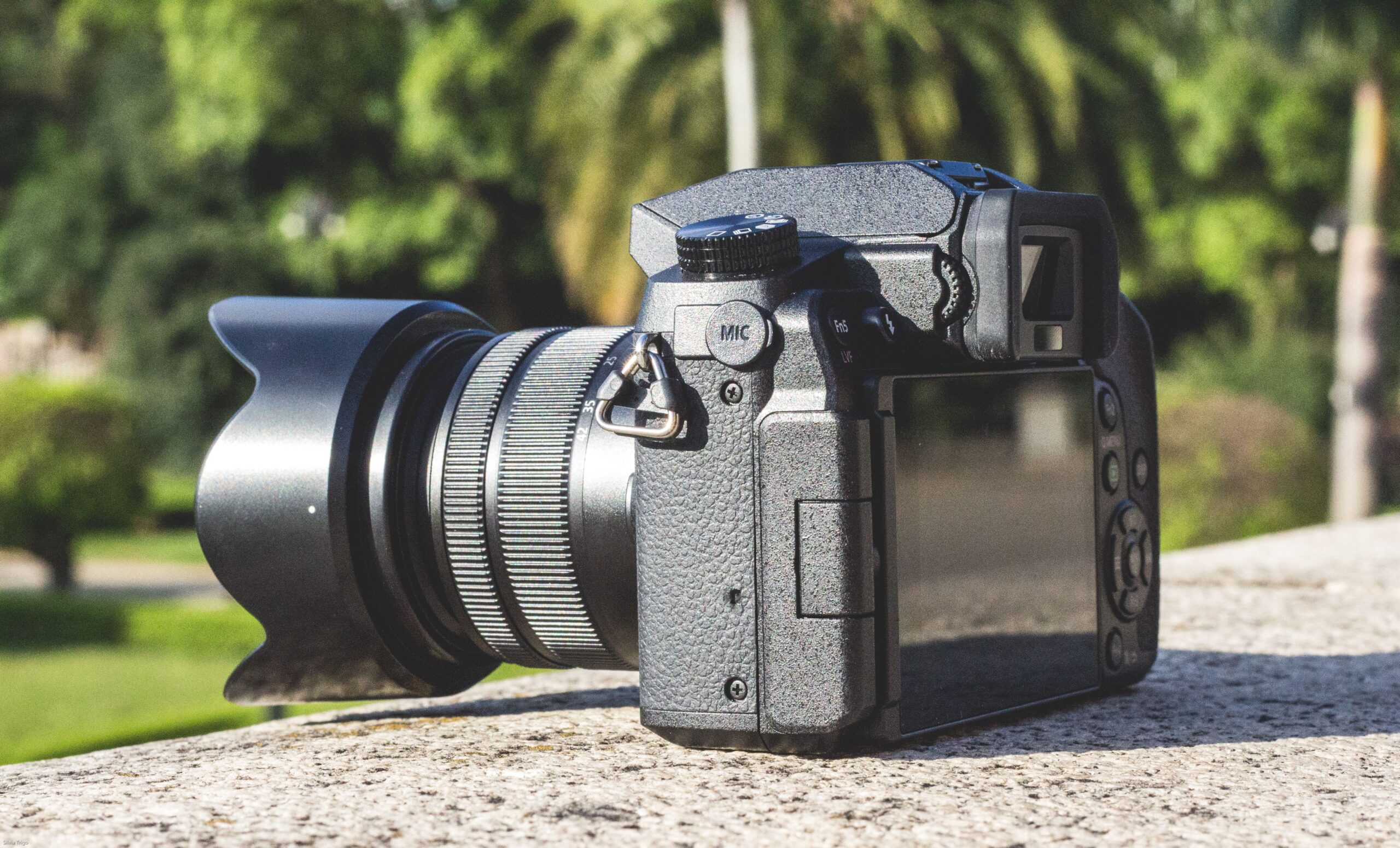

My honest take: Look, this camera is OLD. Like, 2015 old. But here’s the thing I still keep one as my “beater” camera for dangerous shoots. Rain, dust, dropping it on concrete? Don’t care. It’s $400 with a lens. The 4K is legit sharp, and the Micro Four Thirds lens system is dirt cheap (I got a 25mm f/1.7 for $150).
The catch? The autofocus SUCKS. Period. It hunts, it pulses, it breathes. If you’re filming a talking head that sits still, fine. If you move even slightly, you’ll see the background go in and out like it’s having a seizure.
What it’s ABSOLUTELY BEST at: Learning manual filmmaking on a budget. This is the camera you buy to learn aperture, shutter speed, and ISO without crying if you break it. Pair it with a prime lens and you’ll get cinematic footage just turn autofocus OFF and pull focus yourself like a real filmmaker.
4. DJI Osmo Pocket 3
The DJI Osmo Pocket 3 is the ultimate pocket-sized vlogging camera for creators on the move. Featuring a 1-inch sensor and a built-in 3-axis gimbal, it captures ultra-smooth 4K 120fps video with professional stabilization that rivals larger cameras . Its large 2-inch rotatable touchscreen instantly switches between horizontal and vertical video, perfect for YouTube, Instagram Reels, and TikTok . With intelligent Active Track 6.0 face tracking, a wireless DJI Mic 2 transmitter (in the Creator Combo), and rapid charging that powers 80% battery in just 16 minutes, it’s the go-to travel camera for content creators who want cinematic quality without the bulk
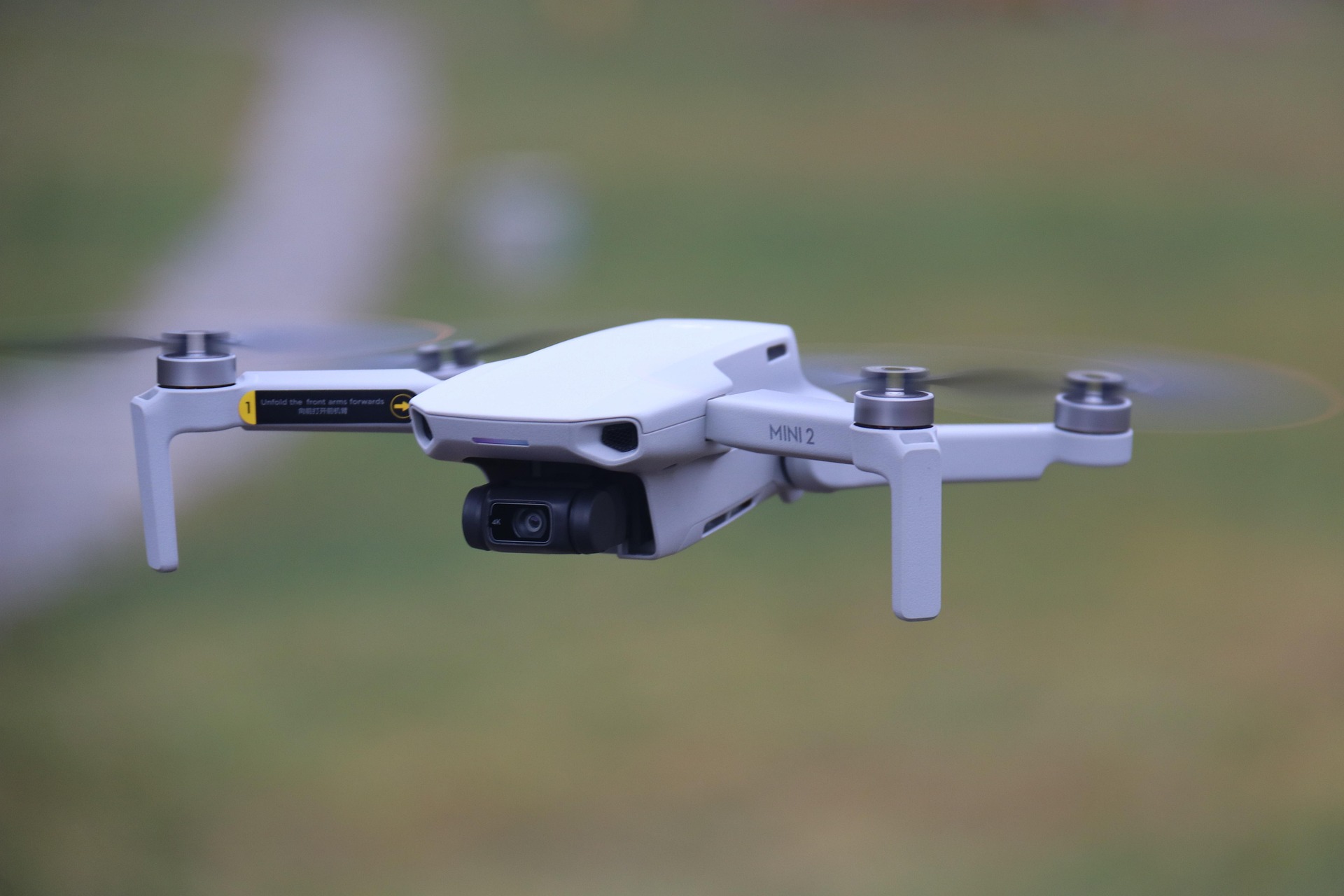

My honest take: I was a skeptic. “Pocket gimbal? Gimmick.” Then I borrowed one for a travel vlog in Thailand. I legit left my Sony in the hotel room for 4 days straight. The footage looks like it was shot on a $2,000 gimbal rig because, well, it IS a gimbal. The 1-inch sensor is a massive upgrade from the old version low light is actually usable now.
The catch? The screen is TINY. I’m squinting to see if I’m in focus. And the autofocus occasionally hunts when you quickly pan from close-up to far-away subjects. Also, no mic jack without the $70 adapter classic DJI money-grab.
What it’s ABSOLUTELY BEST at: Discreet, smooth footage in crowded places. I filmed street food vendors who would have freaked out if I pulled out a big Sony rig. This thing looks like a selfie toy. They didn’t care. I got natural, documentary-style footage that looked professional. If you travel or vlog in public, this is your secret weapon.
5.Blackmagic Pocket Cinema Camera 4K
Hollywood color science in a handheld body. The Pocket 4K puts cinematic quality and professional codecs right in your backpack for a fraction of the price
Don’t let the size fool you. This is a professional cinema camera that fits in your palm dual ISO, ProRes, and Blackmagic RAW ready
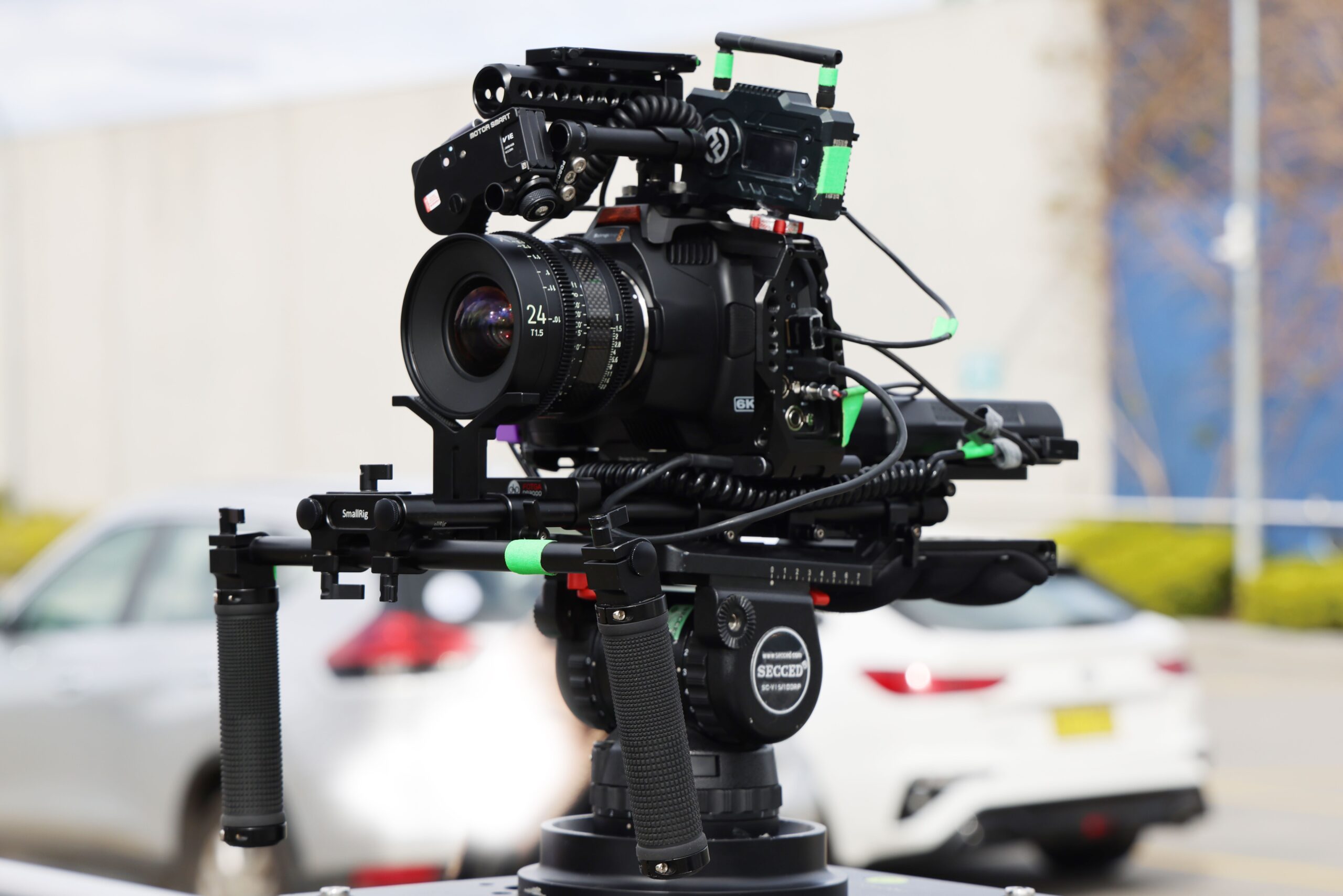

My honest take: This is the “I’m serious about filmmaking” camera. I shot my first short film on this and the color grading flexibility in DaVinci Resolve is actually insane. You can push shadows 3 stops and they don’t break into noise. It’s the closest you’ll get to an Arri Alexa for $1,200.
The catch? This camera is a DIVA. No battery life (20 minutes per battery I carry 6). No stabilization every shot needs a tripod or gimbal. No autofocus worth using you better learn to pull focus manually. And you NEED an external SSD because internal storage is a joke. By the time you rig it with a cage, monitor, battery, and SSD, it weighs 4 pounds.
What it’s ABSOLUTELY BEST at: Color grading bootcamp. If you want to learn how Hollywood colorists work, buy this. The Blackmagic RAW files are so flexible you can completely change the mood of a scene in post. For narrative short films and music videos where you have TIME to set up shots, nothing beats it under $2,000.
6. Fujifilm X-S20
It’s the camera that finally makes your life look like a movie. With that legendary Fuji film grain and a battery that actually lasts all day, the X-S20 doesn’t just take pictures it bottles up the golden hour and puts it right in your pocket.
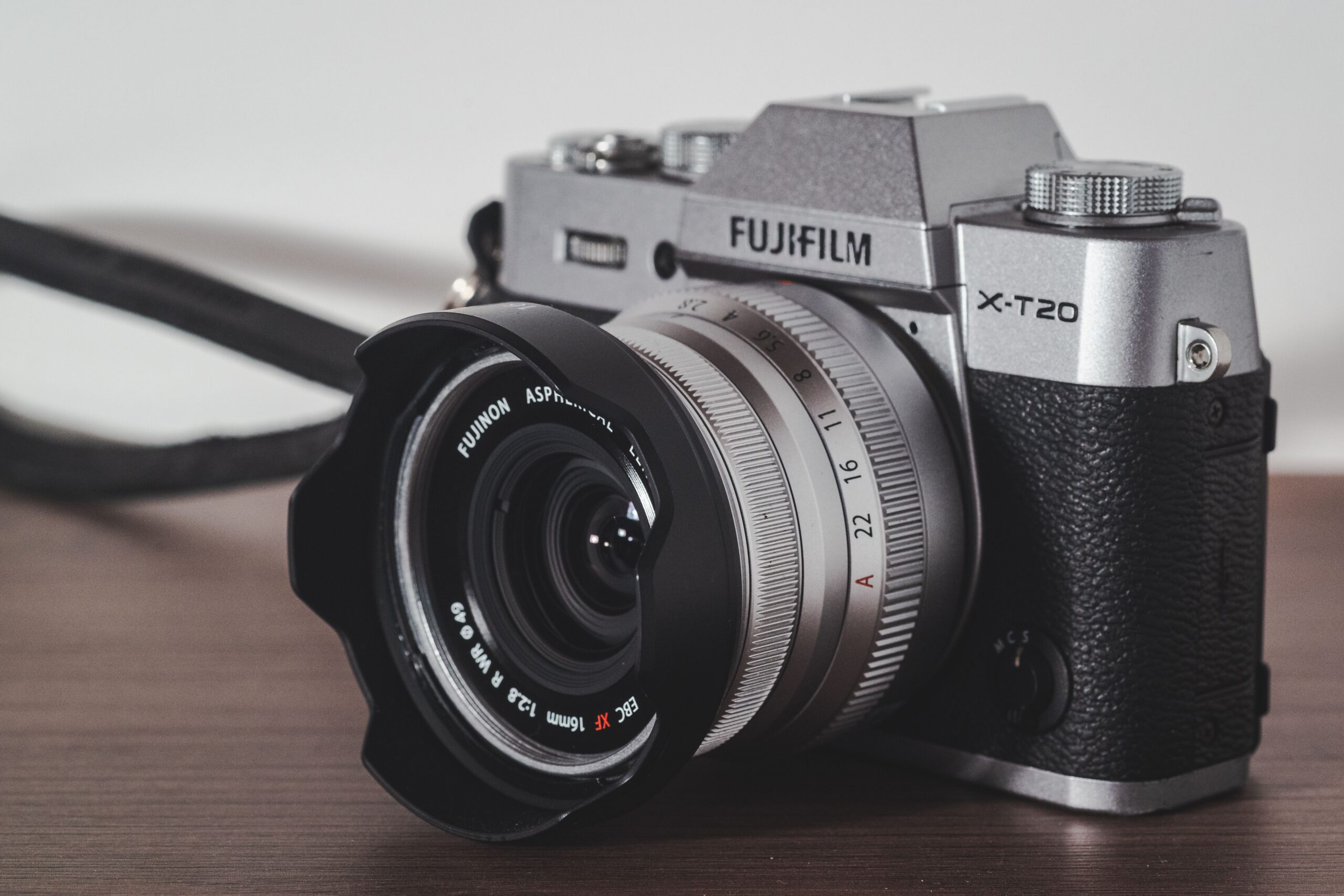

My honest take: I almost bought this over my Sony. The film simulations (Eterna, Classic Chrome) are legitimately addictive. I shot an entire music video using only the built-in presets and didn’t color grade a single clip it looked like a 1970s indie film instantly. And the IBIS is ridiculous I did a handheld walking shot that looked like it was on a gimbal.
The catch? Fuji’s autofocus is GOOD but not GREAT. In low light, it hesitates. And the lens selection is expensive the good f/1.4 primes are $800+. Also, the menu system is confusing as hell. I spent an hour finding the 4K settings.
What it’s ABSOLUTELY BEST at: Getting a cinematic look with ZERO editing. If you hate sitting at a computer for hours, this is your camera. The colors are so beautiful straight out of camera that you can upload to YouTube immediately. For vloggers who want a “film stock” aesthetic without learning Resolve, buy this.
7. Canon EOS R50 (or R50 V)
The Ultimate Travel Companion.
Step up from your smartphone with a camera that packs professional power into a pocket-friendly body. The Canon EOS R50 delivers stunning 24.2MP photos and cinematic 4K video, making it the perfect creative partner for your next adventure.
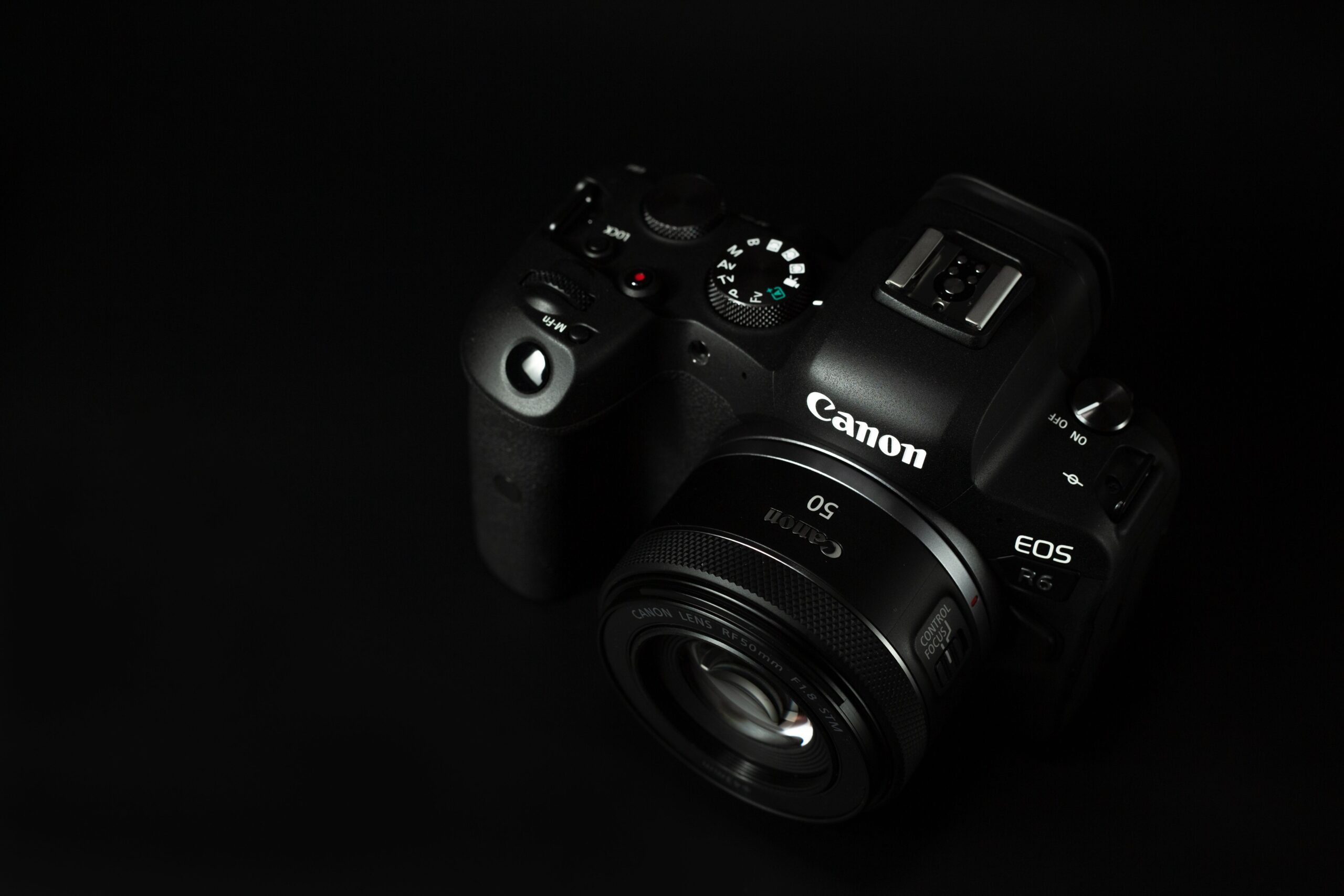
My honest take: I recommended this to my sister who knew nothing about cameras. She was shooting professional-looking vlogs within a day. The Dual Pixel AF is so ridiculously good that it feels like cheating it tracks eyes even when the subject is turned sideways. The R50 V version (2026) adds vertical UI which is a game-changer for TikTok/Reels creators.
The catch? Canon’s RF-S lens lineup is PATHETIC. You have like 3 native lenses. You’ll end up adapting full-frame RF lenses which are heavy and expensive. And the camera overheats if you shoot 4K for more than 30 minutes I tested it.
What it’s ABSOLUTELY BEST at: Absolute beginner friendliness. The menus are simple, the autofocus is foolproof, and the size is tiny. If you’re handing a camera to someone who’s never shot video before and saying “go make a short film,” this is the one. It gets out of your way and lets you focus on storytelling.
8. Nikon Z30
Think of the Nikon Z30 as the camera that finally bridges the gap between your smartphone’s convenience and a professional’s creative toolkit. It’s the ultimate sidekick for anyone looking to level up their content without needing a film degree to figure it out.
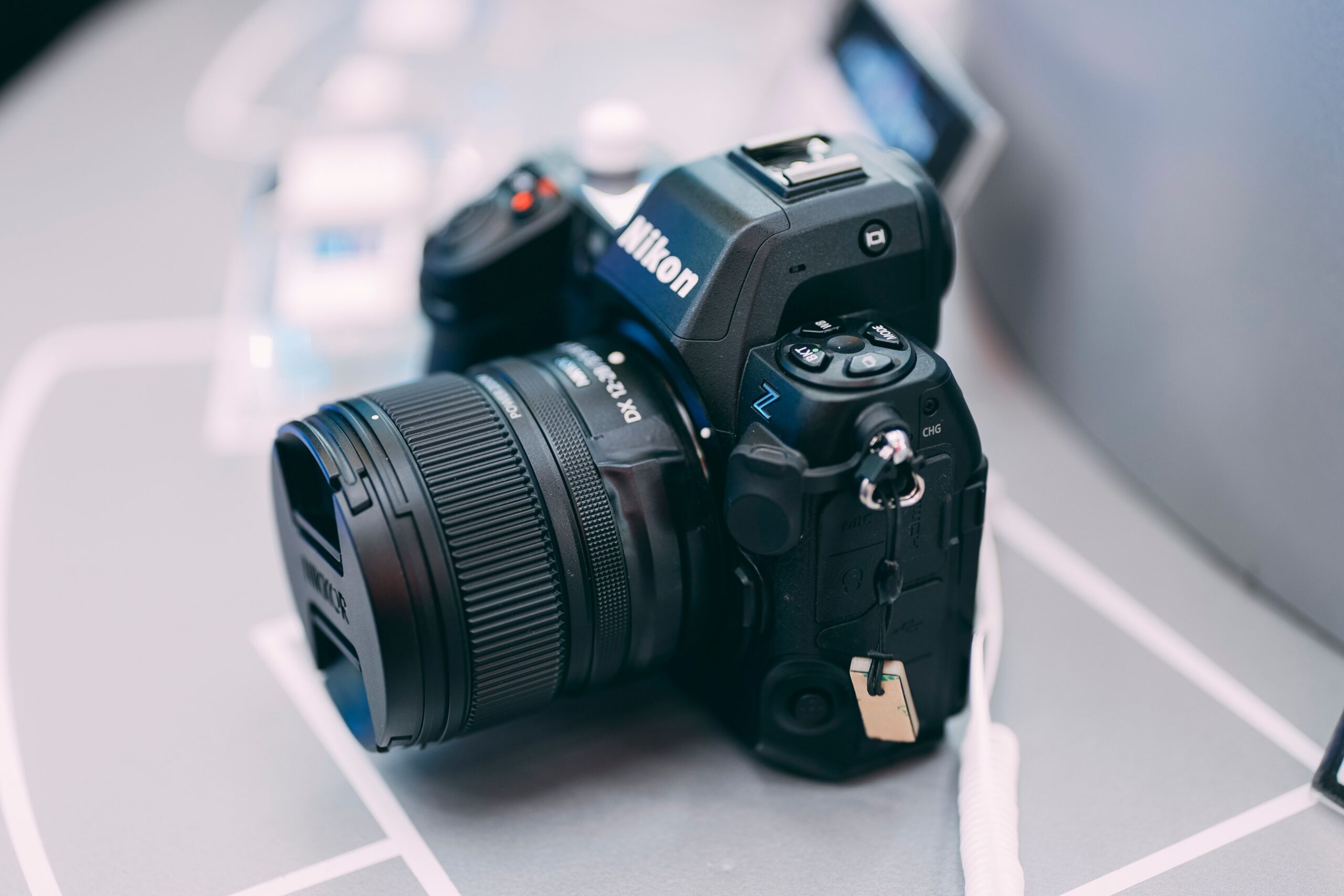
My honest take: I wanted to love this. It’s lightweight, the grip is comfortable, and the price is right. But honestly? It’s just… fine. The 4K is crisp, but the colors are flat you HAVE to color grade or it looks like a camcorder from 2010. The autofocus uses contrast detection, so it hunts more than Sony or Canon.
The catch? No IBIS is a killer for handheld work. You need a gimbal or steady hands. And Nikon’s Z-mount lenses are expensive there’s no budget 35mm f/1.8 like Sony has.
What it’s ABSOLUTELY BEST at: Ultra-lightweight travel vlogging. If your priority is carrying the lightest possible interchangeable-lens camera for hiking or backpacking, this wins. It’s smaller than a water bottle. I took it on a 10-mile hike and barely felt it in my bag. Just know you’ll need to edit the footage to make it “pop.”
9.Panasonic Lumix G85 (Used)
This is an oldie but a goodie. It’s a weather-sealed workhorse from 2016 that is still recommended by filmmakers in 2026 for its incredible In-Body Image Stabilization (IBIS) and comfortable grip. You get a solid, rugged body (something rare at this price), a fully articulating screen, and access to the super affordable Micro Four Thirds lens system. It won’t win any autofocus awards, but it’s perfect for learning the craft without your footage looking like a shaky mess.
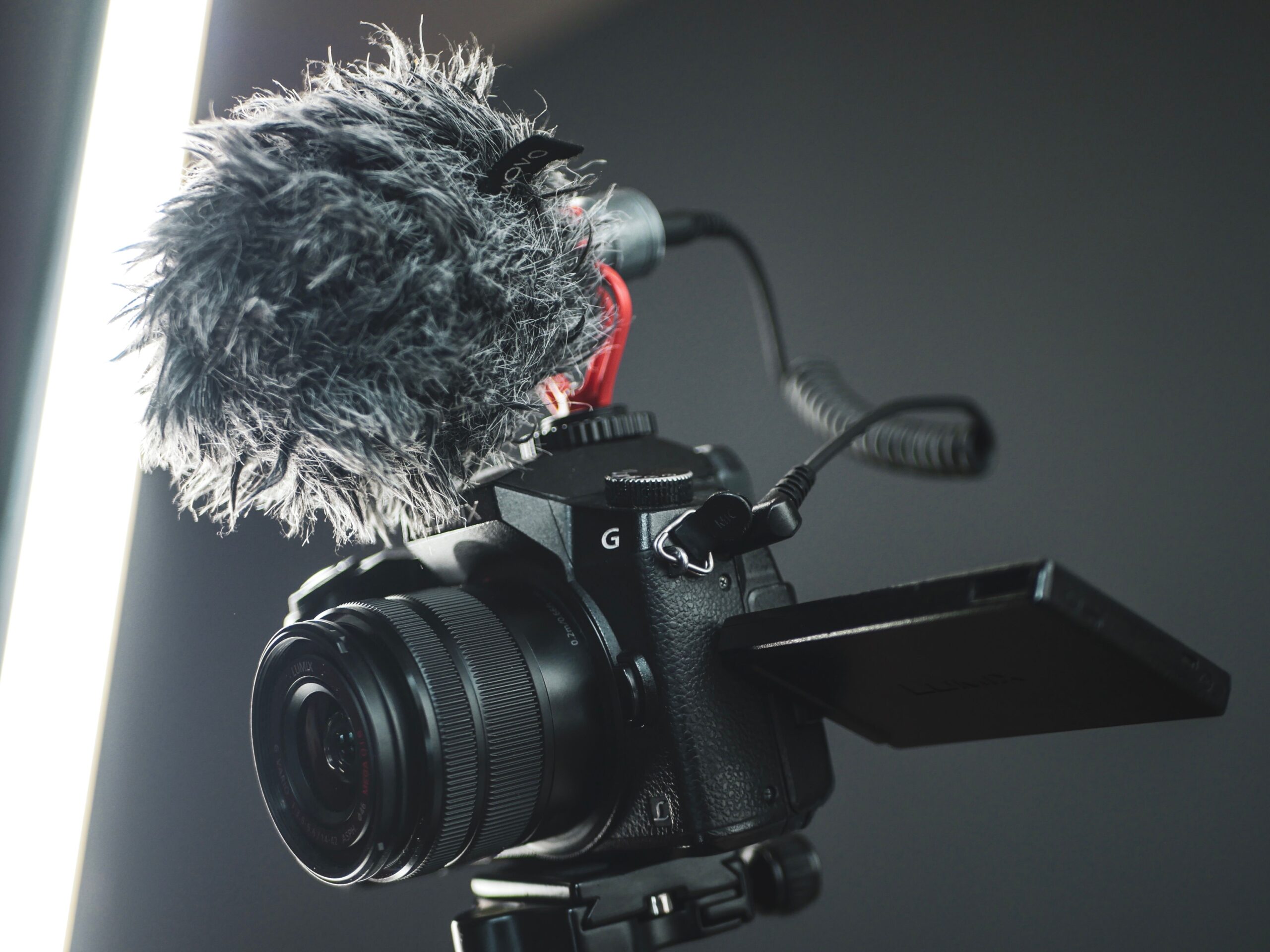

It Just Feels Right”
I’ve held newer cameras that feel like cheap plastic toys. This isn’t one of them. The G85 has a deep, comfortable grip and a solid, weather-sealed body that inspires confidence . It’s noticeably heavier than the cheaper G7, but that weight translates to stability and less shaky footage.
The “Voodoo” Stabilization
The 5-axis in-body stabilization (IBIS) is the standout feature. You can shoot handheld video that looks like it was on a gimbal, and take sharp photos at shutter speeds that would be a blurry mess on other cameras . It turns a clumsy beginner into a passable videographer instantly.
A Swivel Screen That Actually Helps
The fully-articulating screen is a godsend. Whether you’re vlogging, shooting from a low angle, or checking a shot overhead, the screen flips out exactly where you need it. The electronic viewfinder is also crisp and large, making it comfortable for eyeglass wearers .
The Catch (What You’re Trading Off)
Autofocus: The “Old School” Feel
This is where the camera’s age shows. The contrast-detect autofocus is lightning-fast in single-shot mode honestly faster than some new cameras but when you switch to continuous autofocus for video, it hunts and breathes . You can’t rely on it for fast-moving subjects or sports. If you want a set-it-and-forget-it focus, this isn’t it. However, if you learn to use the touchscreen to pull focus or simply rely on manual focus, you’ll be fine.
Low Light: The “Worst Room in the House”
The 16-megapixel Micro Four Thirds sensor is small by today’s standards. ISO 6400 is noisy, and ISO 1600 is really the safe zone for clean photos . But because the IBIS is so good, you can often drop your shutter speed to use lower ISOs, making this a non-issue unless you’re shooting in pitch-black conditions.
The 16MP “Limitation”
You can’t crop into photos as aggressively as you could with a 24MP or 40MP camera. But 16MP is still plenty for prints and social media. As one user noted, you might miss the extra resolution if you’re used to newer gear, but the lens selection and portability make up for it .
10. Sony a6100 (used)