




Let’s be honest for a second. We’ve all been there. You spend hours setting up the perfect shot, the lighting is chef’s kiss, and you’ve got the perfect background. Then you hit play on your footage, and the audio sounds like it was recorded in a tin can at the bottom of a well.
If there’s one thing I’ve learned in years of content creation, it’s this: People will forgive bad video. They will never forgive bad audio.
Your audience will click away in a heartbeat if they can’t hear you clearly. It doesn’t matter if you’re shooting a blockbuster short film or just chatting with your audience on YouTube – audio is the secret sauce that makes your content feel professional, trustworthy, and engaging.
But here’s the good news: you don’t need to be an audio engineer to get great sound. I’ve put together this guide to 15 of the best microphones out there, broken down in a way that actually makes sense. Whether you’re a complete beginner or a seasoned filmmaker, there’s something here for you.

How to Choose Your Microphone
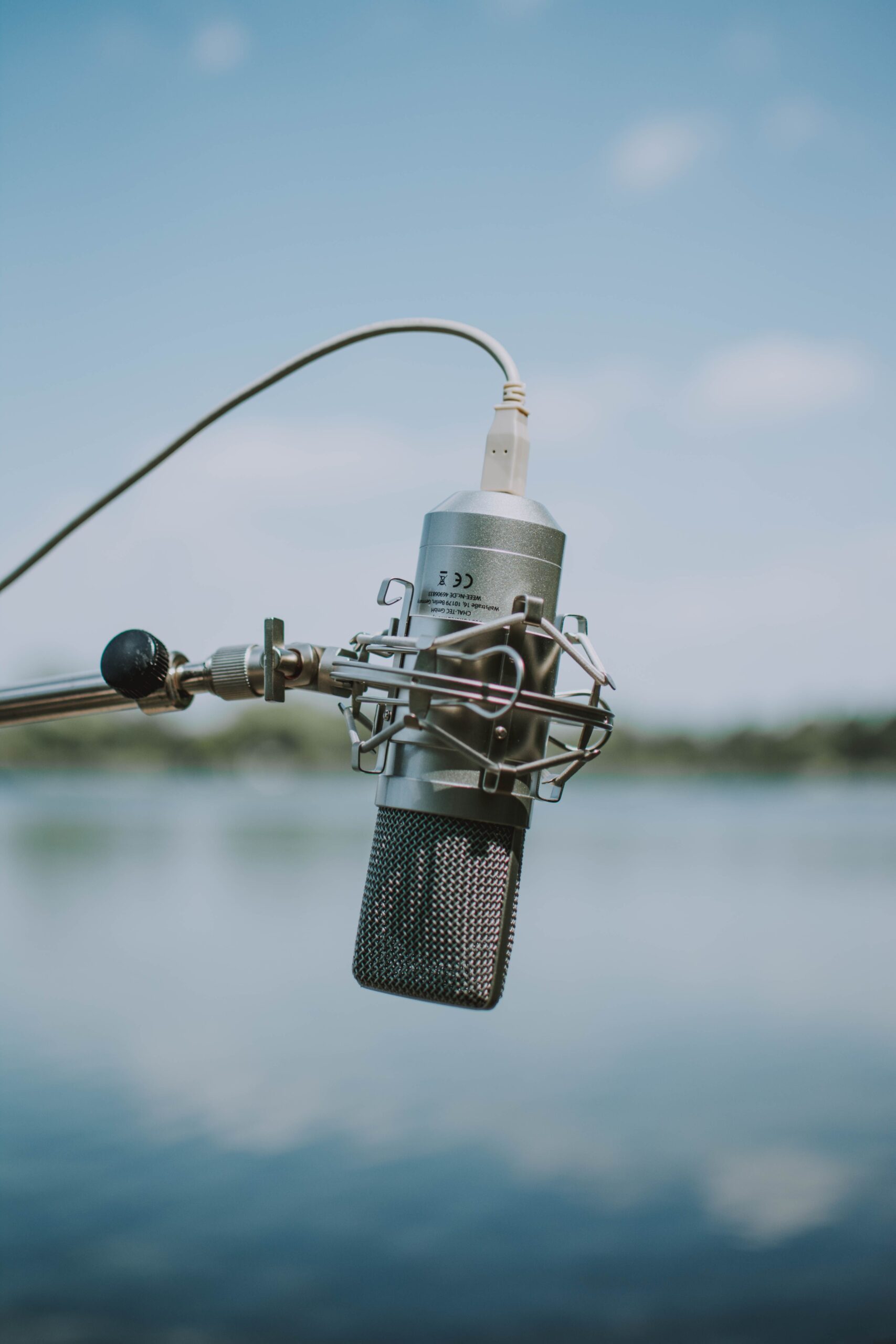
Before we dive into the list, let’s talk about the three main types of mics you’ll encounter. Understanding these will save you a ton of confusion:
-
Shotgun Mics: These are long, directional mics that pick up sound from exactly where you point them. Perfect for vlogging and filming when you can’t get the mic right next to your subject’s mouth .
-
Lavalier (Lapel) Mics: These are the tiny clip-on mics you see on news anchors. They’re great for interviews, presentations, and keeping your hands free while recording .
-
USB Mics: The plug-and-play heroes for podcasters and streamers. No audio interface needed just plug them into your computer and you’re ready to go .
The 15 Best Microphones
1. Sennheiser MKE 400: The Travel-Friendly All-Star
Best for: Vloggers and mobile creators who are always on the move.
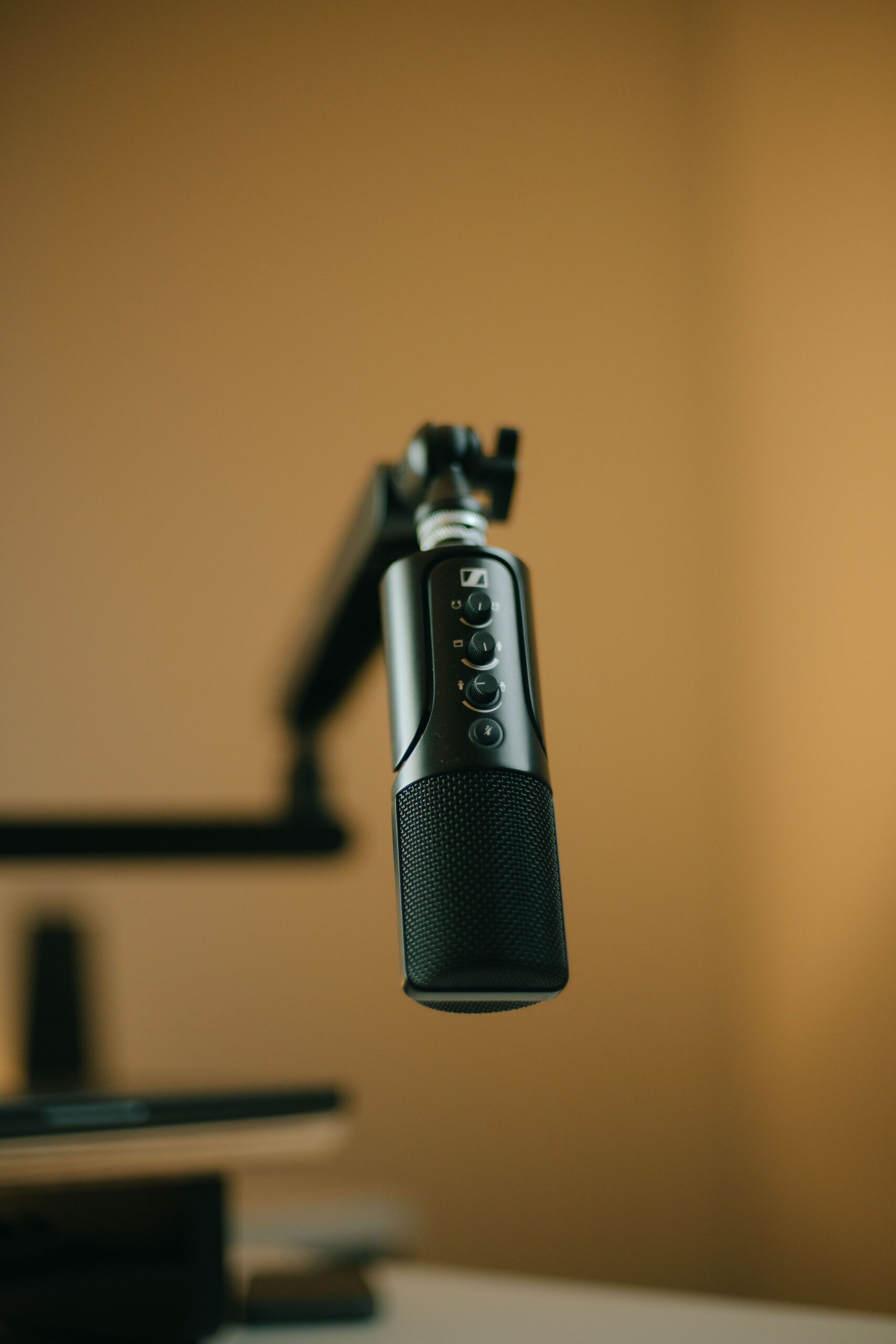
Imagine you’re filming a travel vlog in a bustling market. You need your voice to be crystal clear, but you don’t want to hear every single background conversation or the traffic noise. That’s exactly what the MKE 400 is designed for.
This compact shotgun mic is small enough to take anywhere, but it packs a serious punch. It has a supercardioid pickup pattern, which is a fancy way of saying it’s great at isolating your voice and rejecting side noise . It also has a built-in windscreen that saves you from those “ppphhhhhttt” sounds when you’re filming outdoors, and an integrated shock mount that stops vibrations from your camera from ruining your audio .
Pro Tip: There’s a headphone jack on this mic for real-time monitoring. Use it! It lets you hear exactly what you’re recording, so you can catch issues before you wrap up filming .
2. Sennheiser MKE 600: The Pro’s Choice
Best for: Filmmakers who want broadcast-quality sound on location.
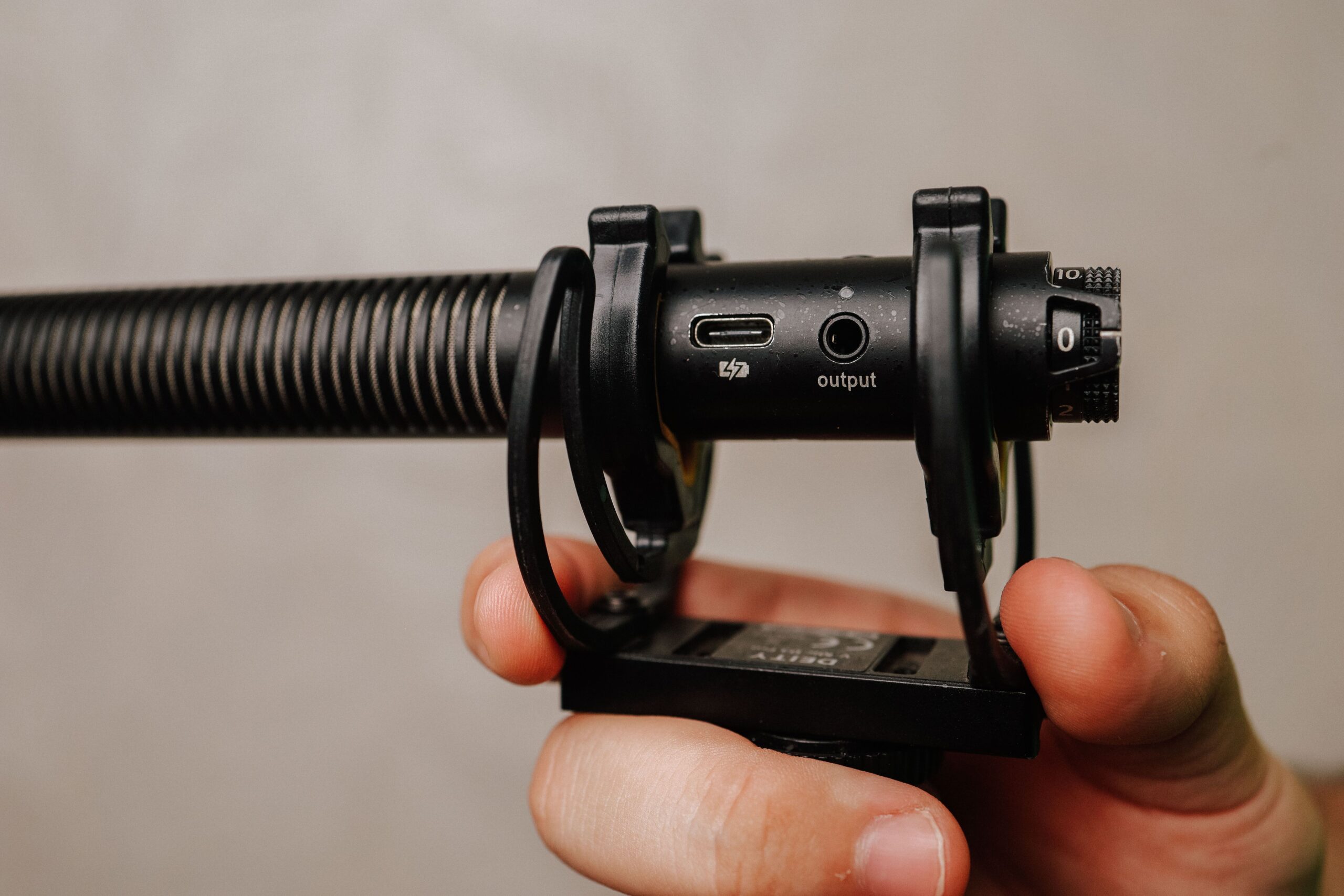

This is the big brother of the MKE 400. It’s a pro-level shotgun microphone that’s used in actual documentaries and film productions . If you’re filming interviews or narrative pieces where audio quality is non-negotiable, this is your mic.
The MKE 600 is incredibly flexible. It can be powered by a standard AA battery or by phantom power from a camera or audio recorder . It also features a switchable low-cut filter, which you can turn on to reduce those low-frequency rumbles like wind or air conditioning hum. It’s like having a little audio engineer built right into your microphone .
3. Sennheiser Profile Wireless: The Freedom Fighter
Best for: Walk-and-talks, interviews, and creators who hate cables.

This is one of the most innovative systems I’ve seen in a while. It’s a 2.4 GHz wireless clip-on microphone system that’s incredibly simple to set up – literally no app required .
What makes this system special is the 32-bit float recording. In plain English, that means you don’t have to stress about setting your recording levels perfectly. If your audio clips (gets distorted from being too loud), you can actually recover it in post-production. It’s like audio insurance .
4. Sennheiser MK 4: The Studio Classic
Best for: Podcasts, voiceovers, and studio recording.

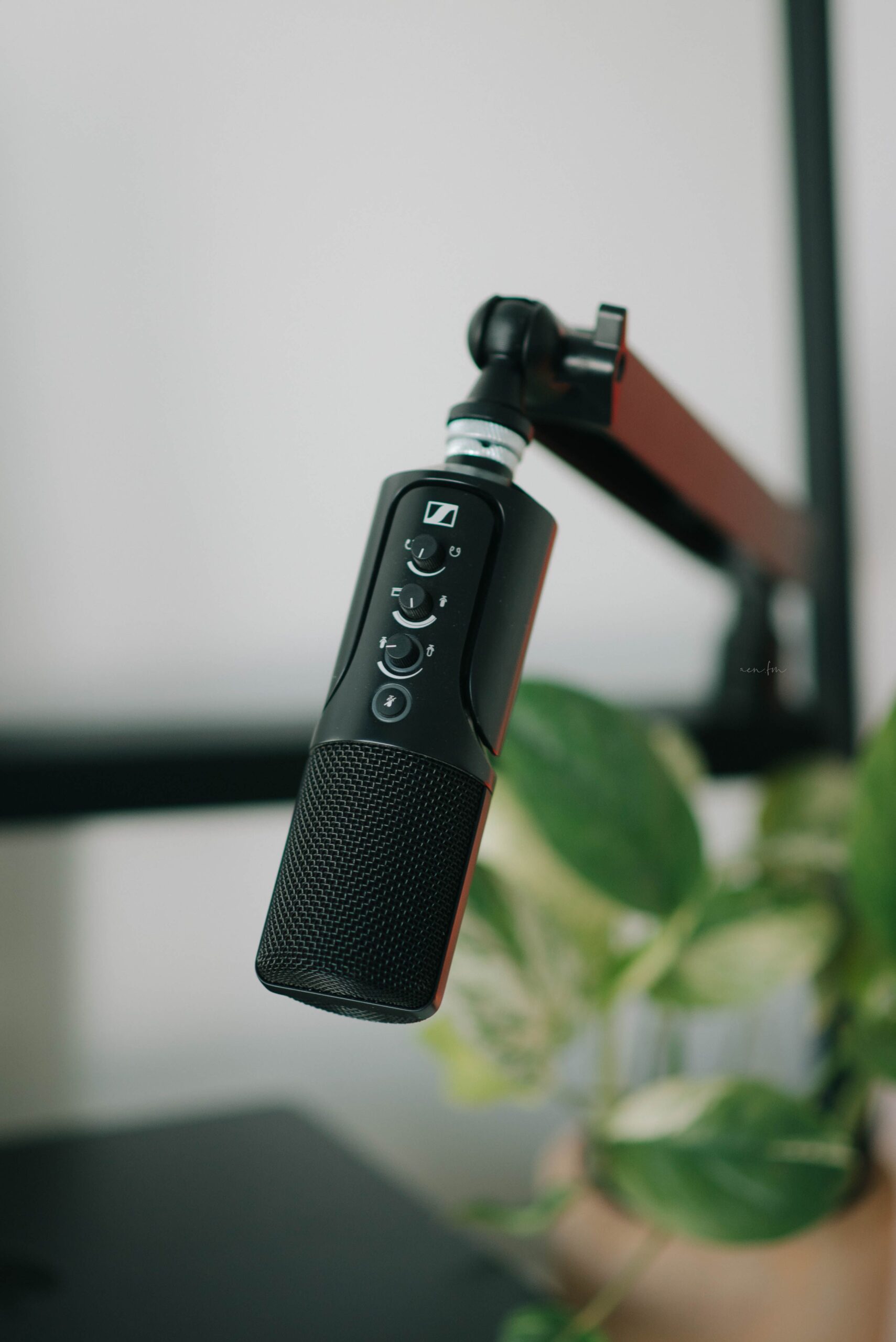
If you’re creating content from a desk, you need a microphone that makes your voice sound rich and detailed. The Sennheiser MK 4 is a large-diaphragm condenser microphone that does exactly that.
This is a fantastic upgrade if you’re moving from a simple USB mic to a professional XLR setup. It captures the nuances of your voice beautifully, making it perfect for narration or if you’re singing in your videos .
5. Sennheiser EW-DP: The Wireless Pro System
Best for: High-end productions and creators who need rock-solid reliability.

For serious filmmaking, you need a wireless system that won’t drop out or suffer from interference. The EW-DP system from Sennheiser is a digital UHF wireless system that delivers incredibly high-quality audio and rock-solid stability .
It’s used on professional film sets, and the receiver can even be magnetically stacked with other units for multi-person interviews . It’s a serious investment, but if you’re shooting high-stakes projects, the peace of mind is worth every penny.
6. Shure SM7B: The Podcasting Legend
Best for: Podcasters and streamers who want “that” professional radio sound.
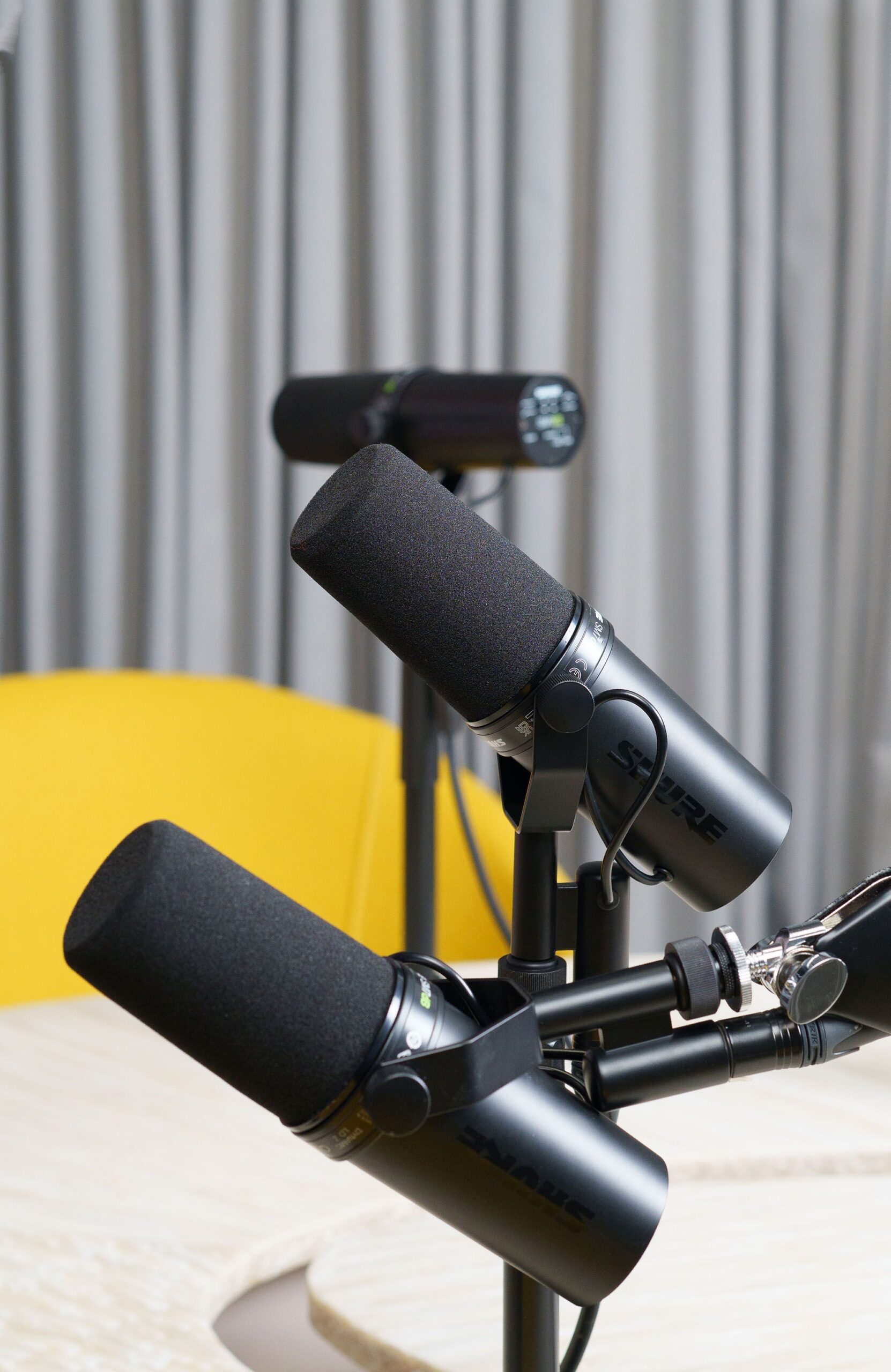

You’ve probably seen this microphone on your favorite podcast. The Shure SM7B is an absolute icon in the broadcasting world. It’s a dynamic microphone, which means it’s not super sensitive and is incredibly good at rejecting background noise .
The result is a warm, incredibly clear, and intimate vocal sound. The catch? It requires a lot of gain, so you’ll need to pair it with a good audio interface, which can add to the overall cost .
7. Blue Yeti X: The Ultimate USB Workhorse
Best for: Beginners, streamers, and all-around creators who want a simple setup.
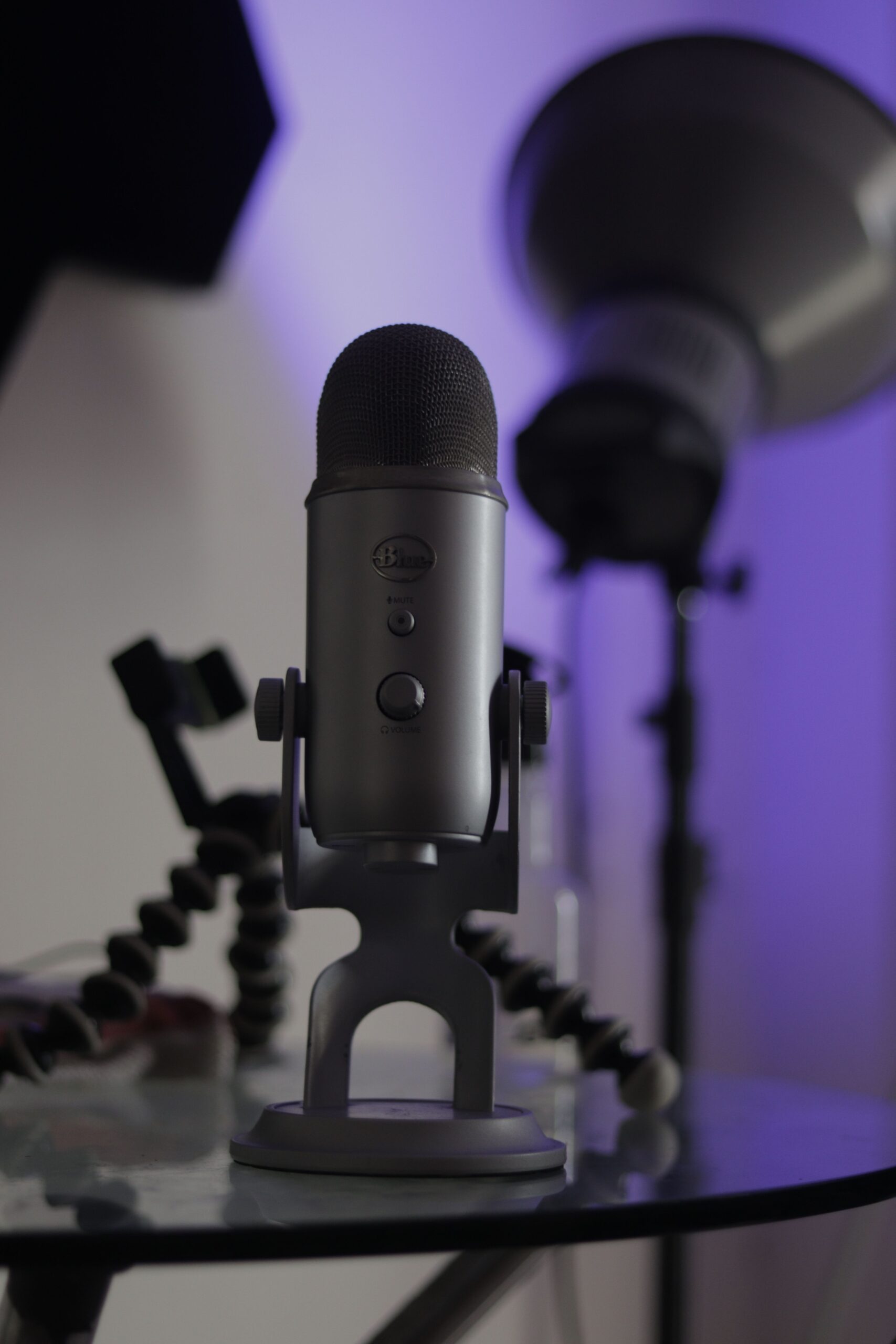
You can’t talk about USB microphones without mentioning the Blue Yeti. The Yeti X is the top-tier version, offering studio-quality sound in a package that you can have up and running in about 30 seconds .
It plugs directly into your computer via USB and has built-in controls for gain, muting, and headphone volume. It also offers multiple polar patterns, allowing you to record in a variety of ways from a single person to a roundtable discussion .
8. Rode VideoMic NTG: The Versatile Shotgun
Best for: Creators who need a single mic that works with everything.
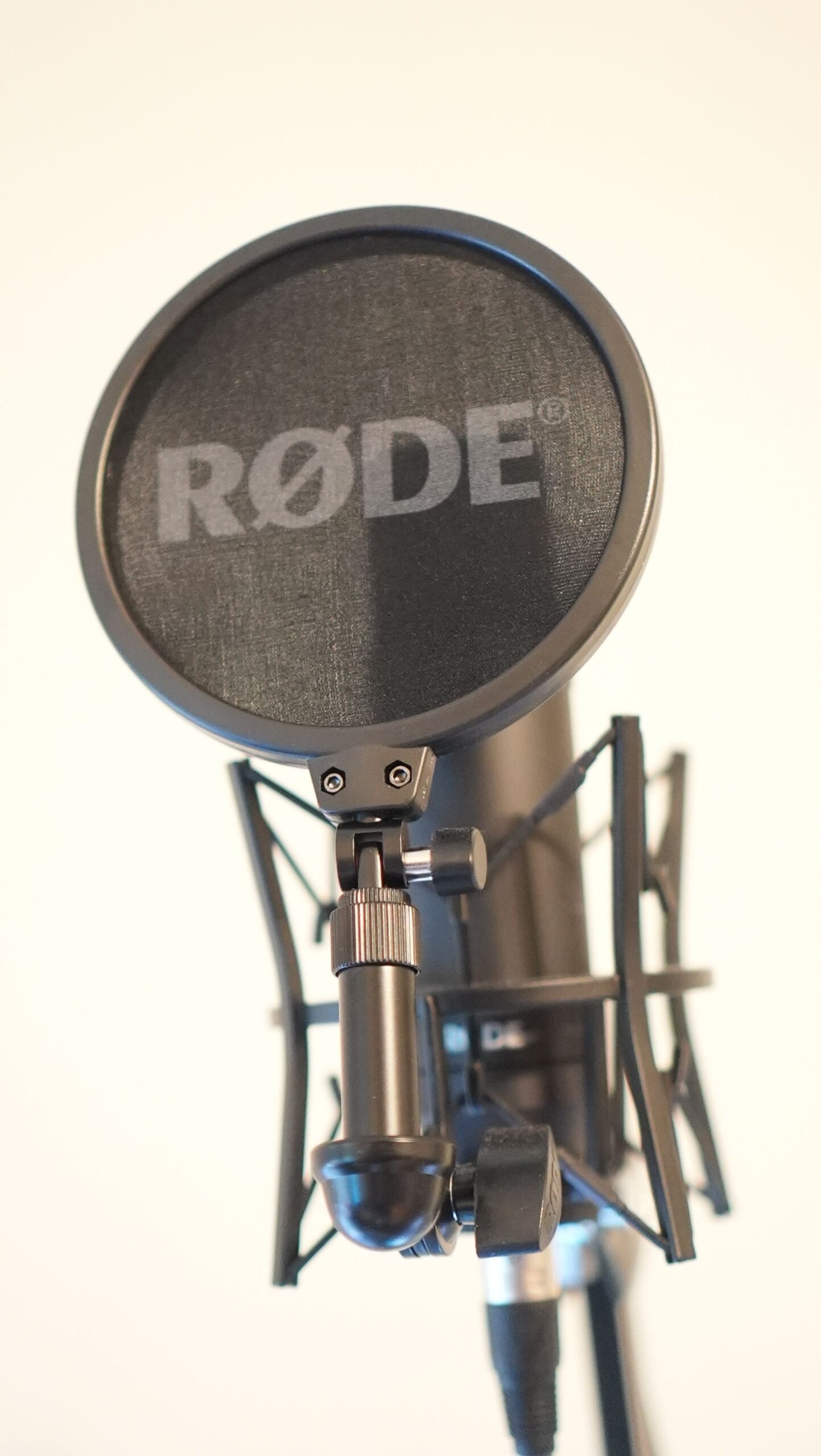

The Rode VideoMic NTG is a brilliant shotgun microphone because it can output both analog audio (via 3.5mm jack) and digital audio (via USB-C). This means you can use it with your DSLR camera, your smartphone, or as a desktop mic for your computer .
It also has a built-in rechargeable battery and a clever automatic power function that turns it on and off when you plug in or unplug the cable . It’s a “best of both worlds” solution.
9. Shure MV88+: The Mobile Maestro
Best for: Smartphone shooters and creators who value portability above all.
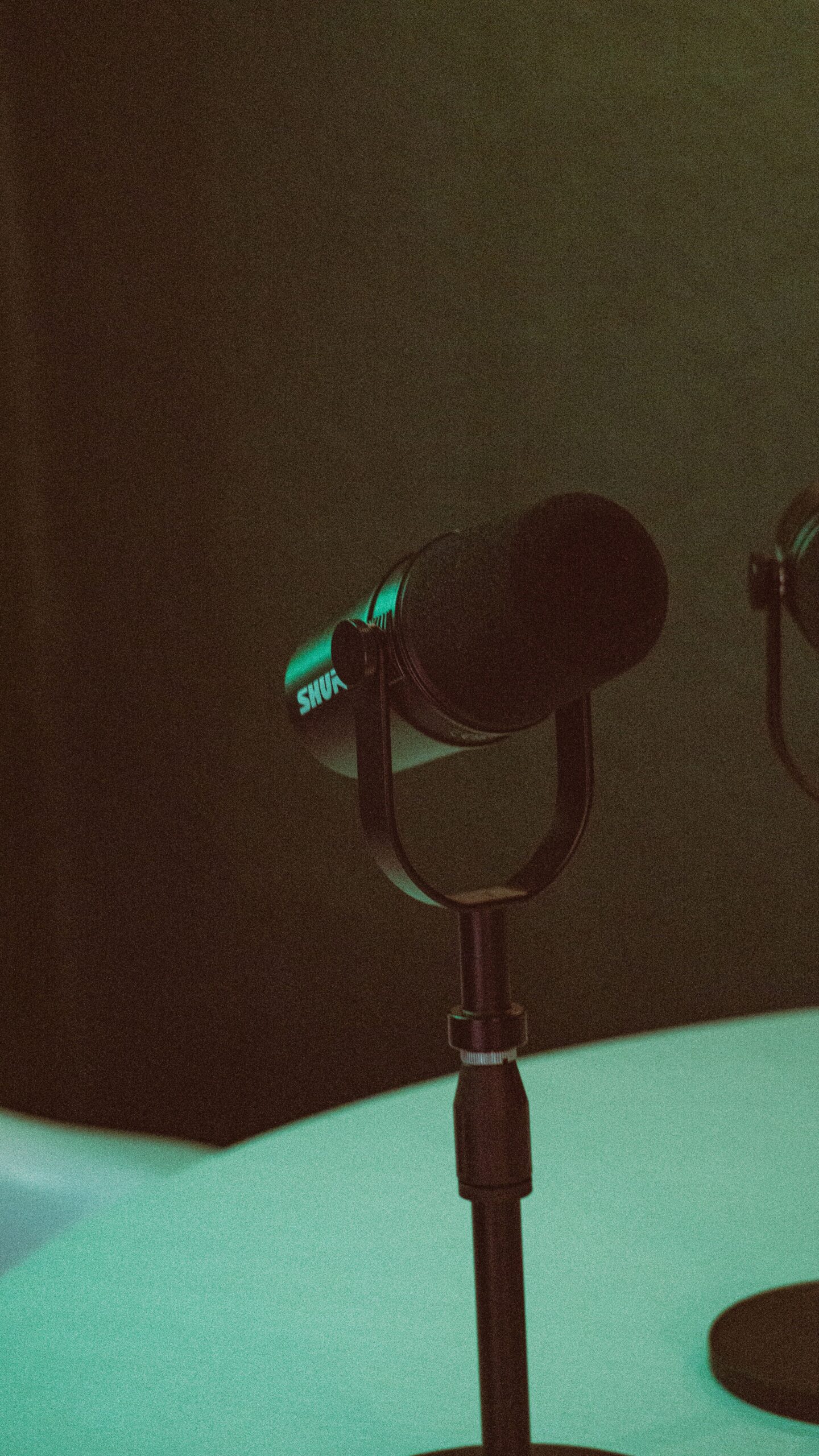

If your primary camera is your phone, the Shure MV88+ is a game-changer. This little mic plugs directly into your phone’s charging port and instantly upgrades your audio quality .
The ShurePlus MOTIV app gives you incredible control over your sound, with presets and EQ adjustments right on your phone. It also comes with a Manfrotto smartphone clamp, making it an incredibly portable and versatile kit .
10. FIFINE AM8T: The Budget All-in-One
Best for: New streamers and podcasters who need everything in one box.
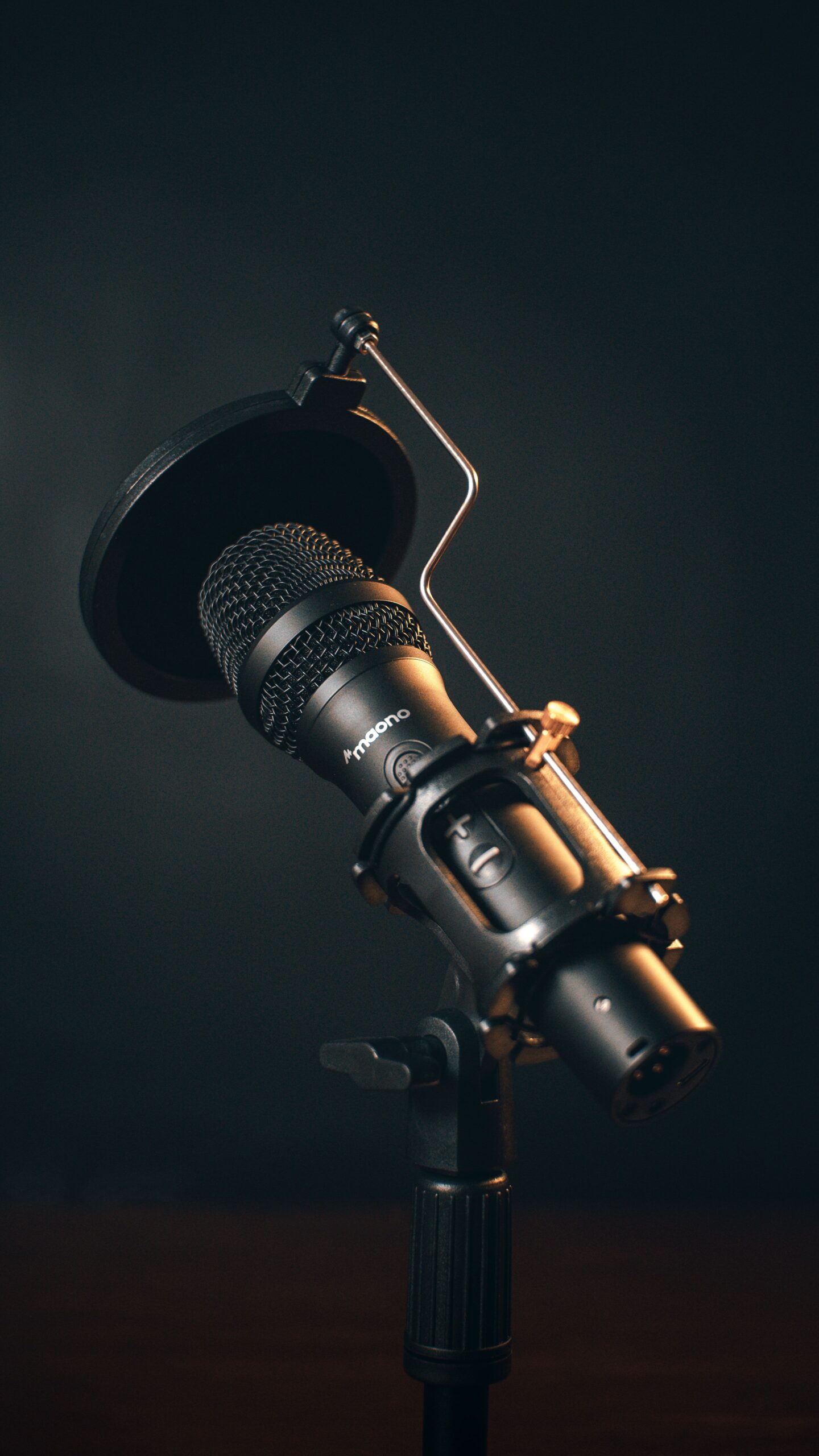
This is a perfect entry-level streaming set. It’s an all-in-one kit that comes with the audio interface, a dynamic microphone, and a monitoring headset .
The interface gives you physical knobs for controlling gain and mixing your audio, which is a huge upgrade over adjusting settings in software. It’s an incredibly efficient way to get started for under $120 .
11. Saramonic Air SE: The Effortless Wireless
Best for: Beginners and mobile creators who want wireless audio with no fuss.
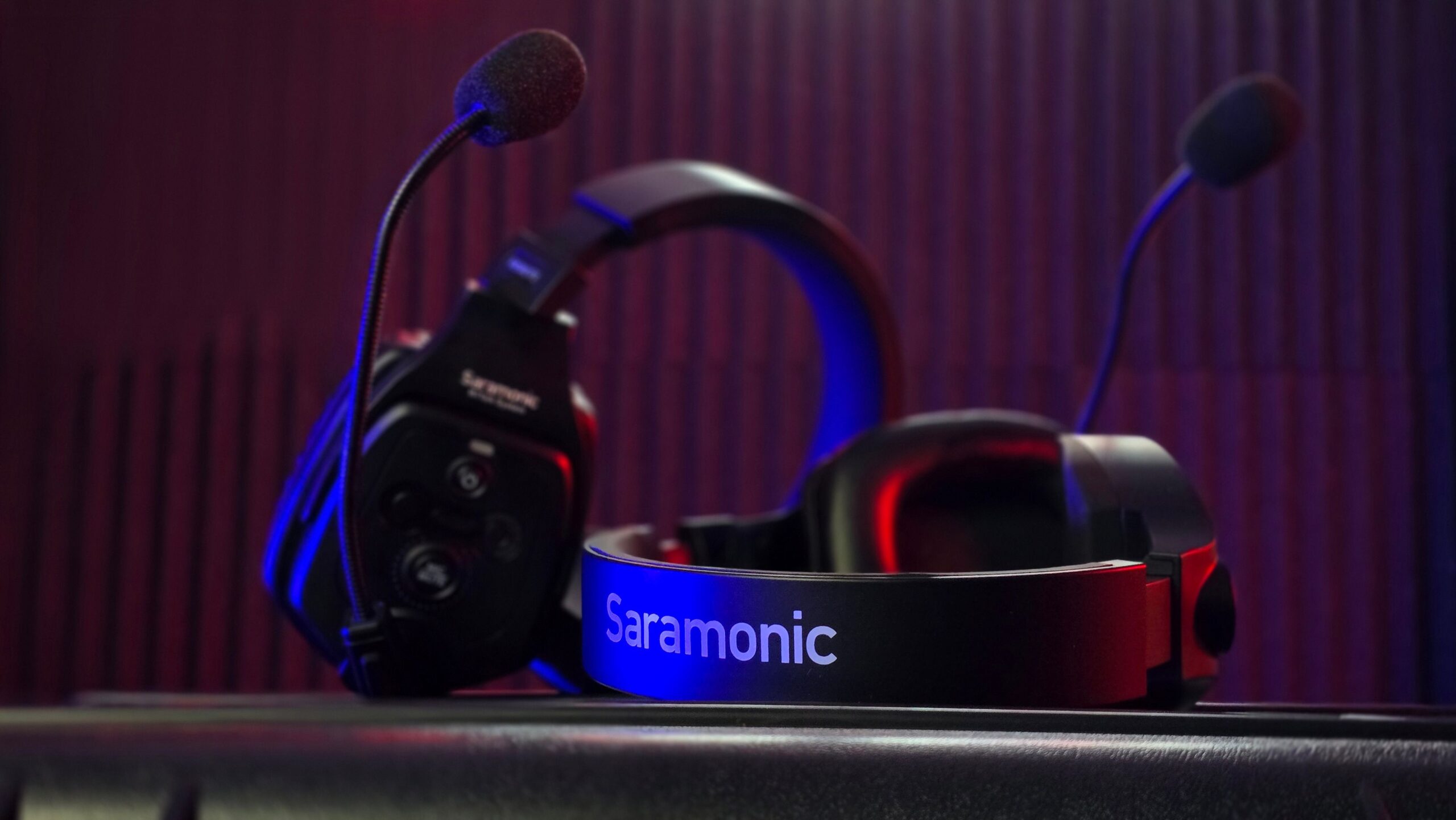

This is your “clip it on and forget about it” microphone. The Saramonic Air SE is an ultra-lightweight AI-powered clip-on wireless mic that’s almost invisible on camera .
The built-in AI noise cancellation can automatically reduce common background noise like traffic or wind. It’s the easiest way to get clean, usable audio for your phone videos or walk-and-talk content without any technical hassle.
12. Saramonic BlinkMe: The Tech-Forward Creator
Best for: Creators who want visual control over their audio.
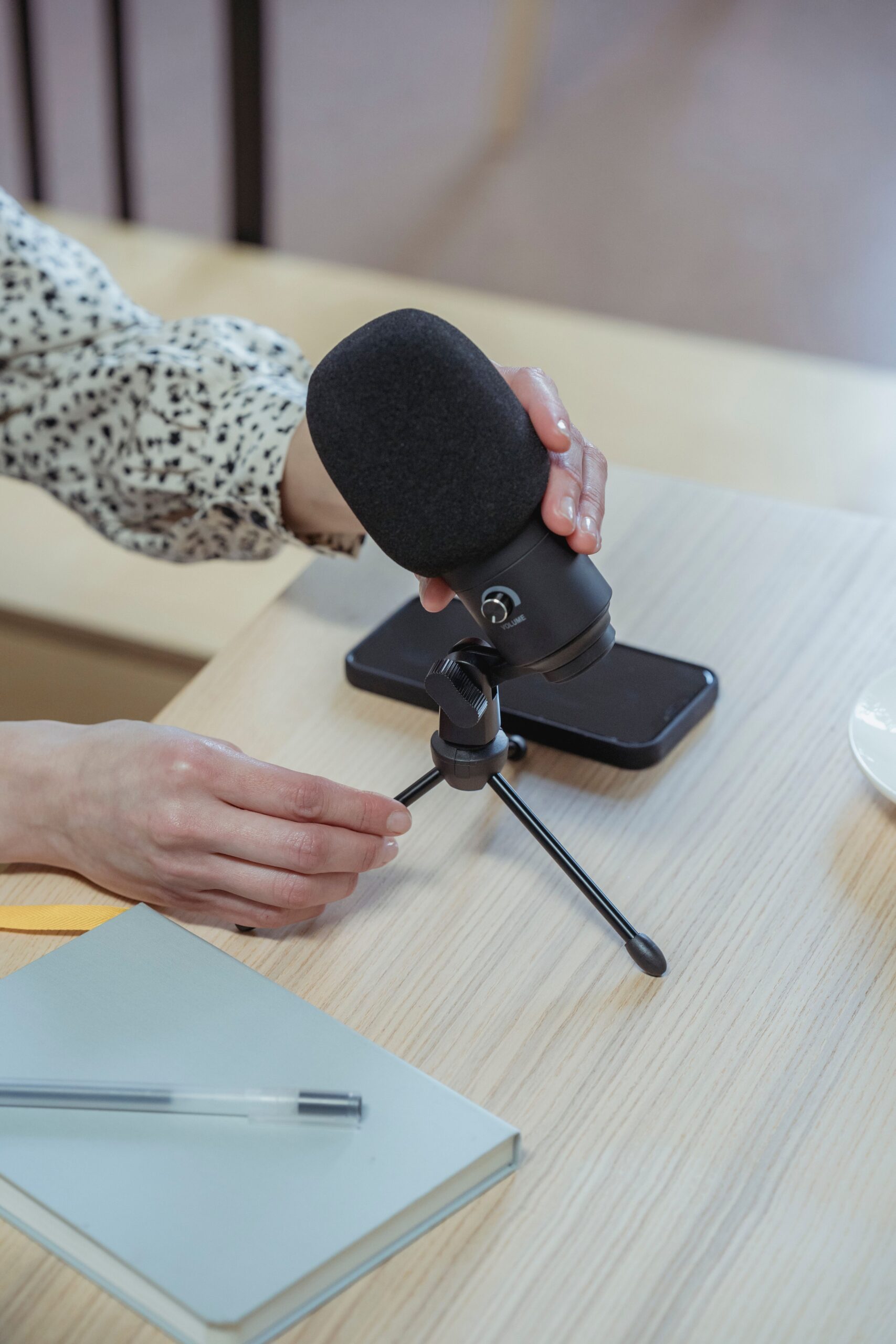
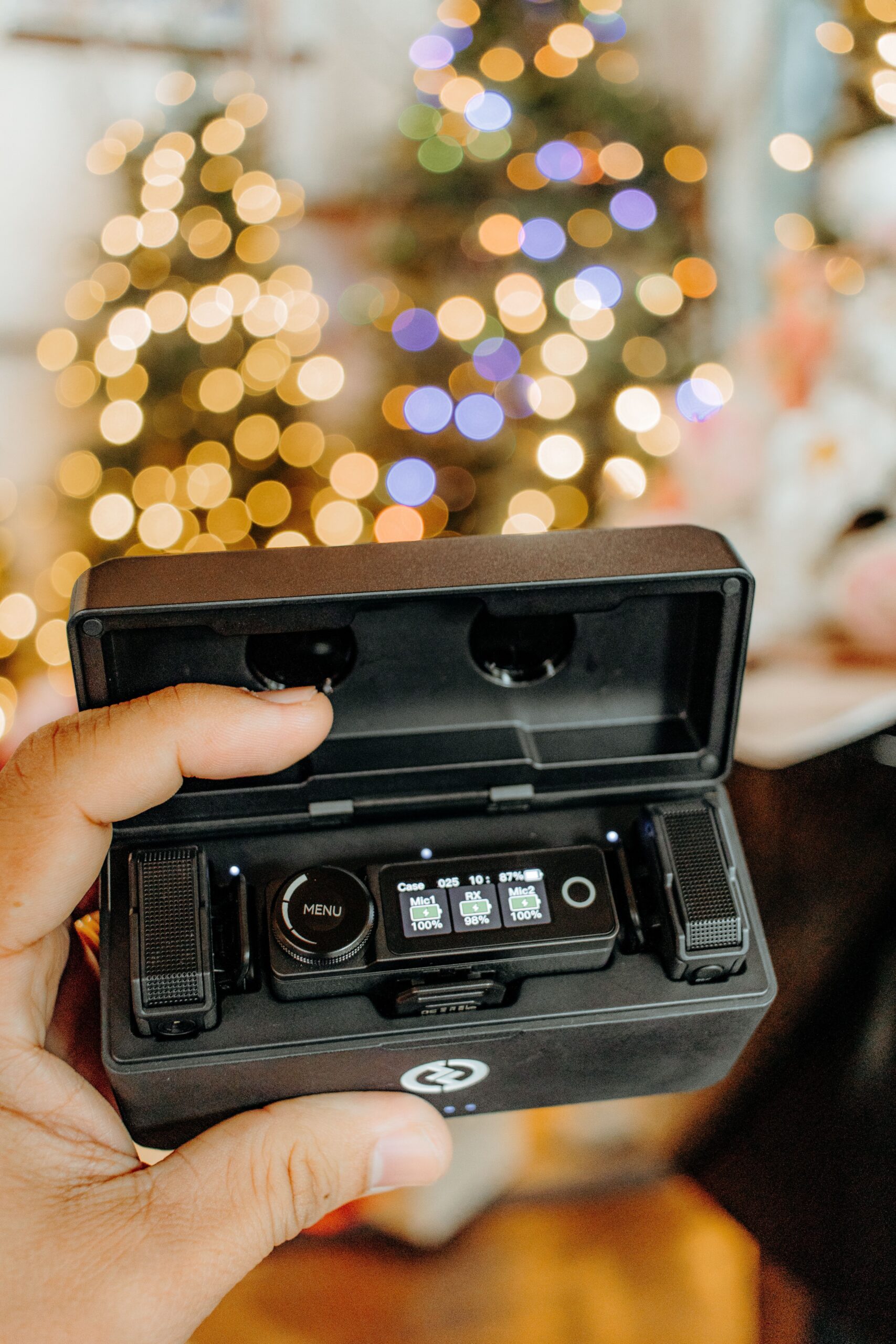
This one’s for the tech lovers. The Saramonic BlinkMe system features a full-color touchscreen on the receiver, allowing you to visually adjust settings just like you would on a smartphone .
It also features onboard recording, so you can recover audio directly from the transmitter if there’s a drop in the wireless signal.
13. Saramonic Air: The Audio Enthusiast
Best for: Serious creators who care about audio quality but still need portability.
The Saramonic Air is the sweet spot for most serious YouTubers. It features a larger microphone capsule that captures more detail, giving your voice a fuller and more natural tone .
It also has a longer transmission range and extended battery life, making it reliable for all-day shoots.
14. Saramonic Ultra: The Production Workhorse
Best for: Multi-camera shoots and outdoor projects.
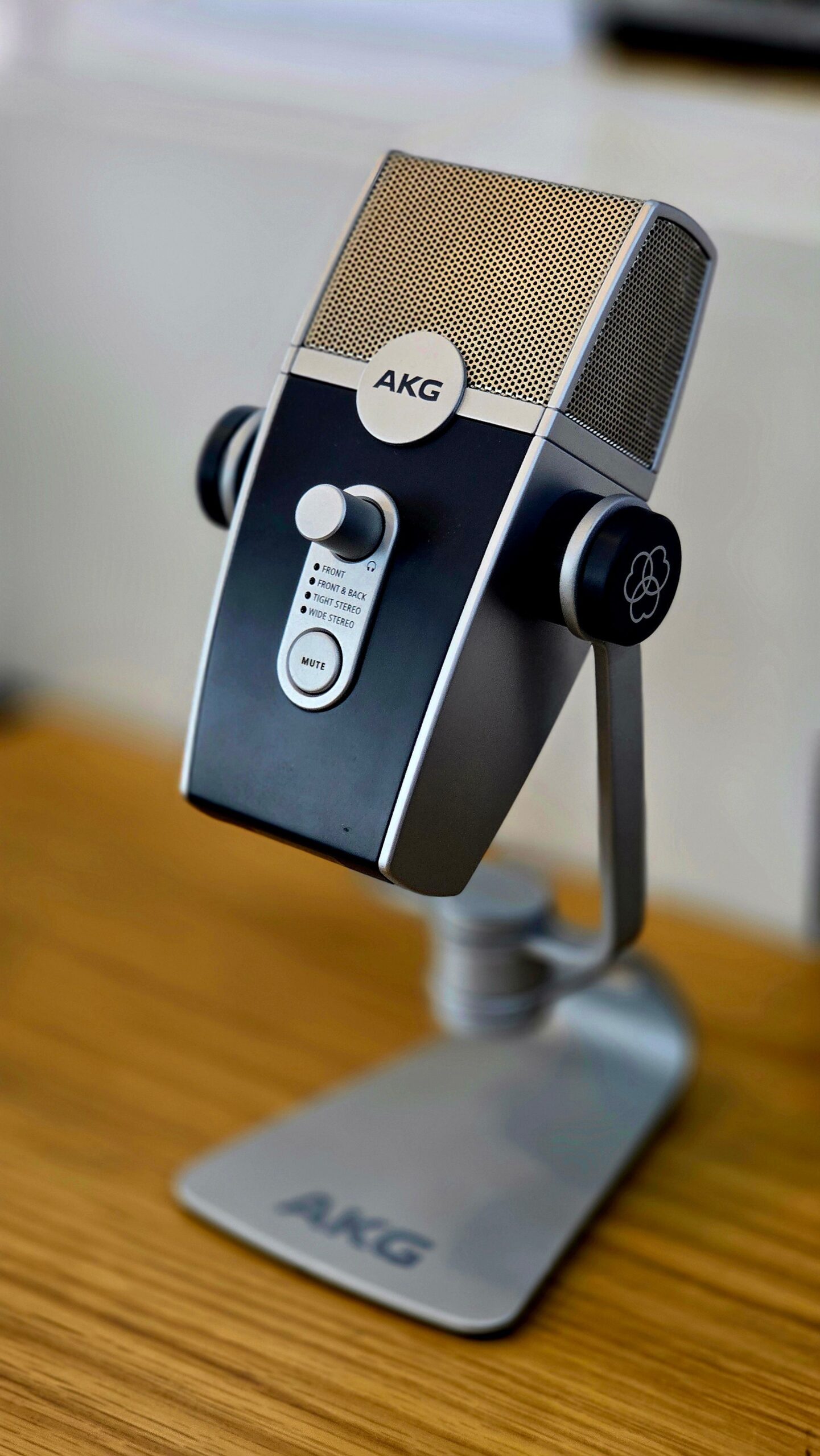

The Saramonic Ultra is a major step up for creators working on complex productions. It features 32-bit float recording and built-in timecode, which makes syncing audio from multiple cameras in post-production a breeze .
The transmitters are also water-resistant (IPX5), making them reliable for outdoor shoots in unpredictable weather .
15. Saramonic K9: The No-Compromise Pro
Best for: Film crews and professionals who absolutely cannot afford audio failure.
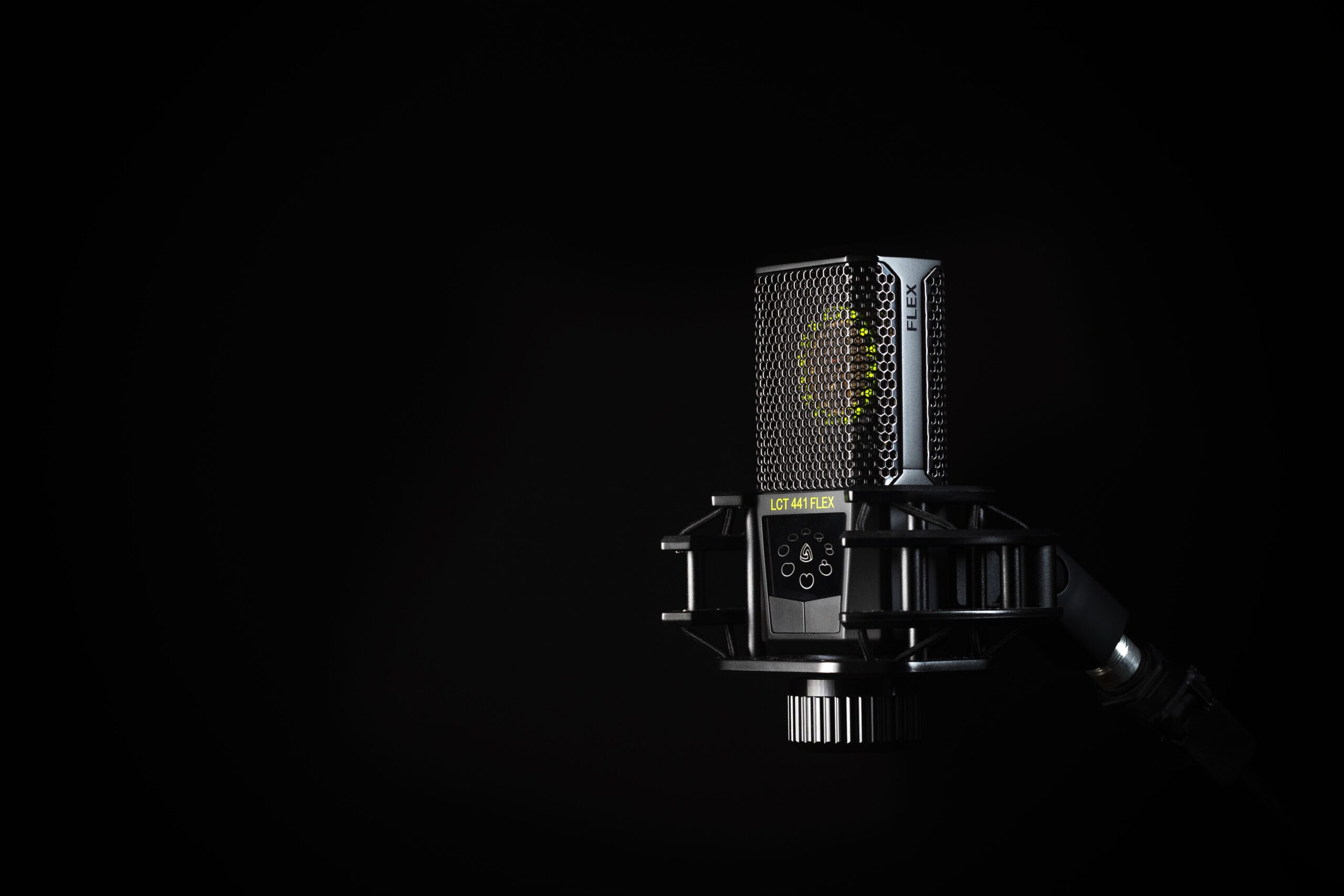
This is a professional-grade digital UHF wireless system built for maximum reliability . It offers significantly stronger anti-interference performance than typical 2.4GHz systems and ultra-low latency for real-time audio accuracy .
If you’re working in high-stakes environments where re-shooting is not an option, this is the system you want.
Final Thoughts
The best microphone isn’t the most expensive one. It’s the one that fits your workflow, your environment, and your skill level . A beginner is buying simplicity and ease of use. An experienced creator is buying efficiency and control. A professional is buying reliability and peace of mind.


