



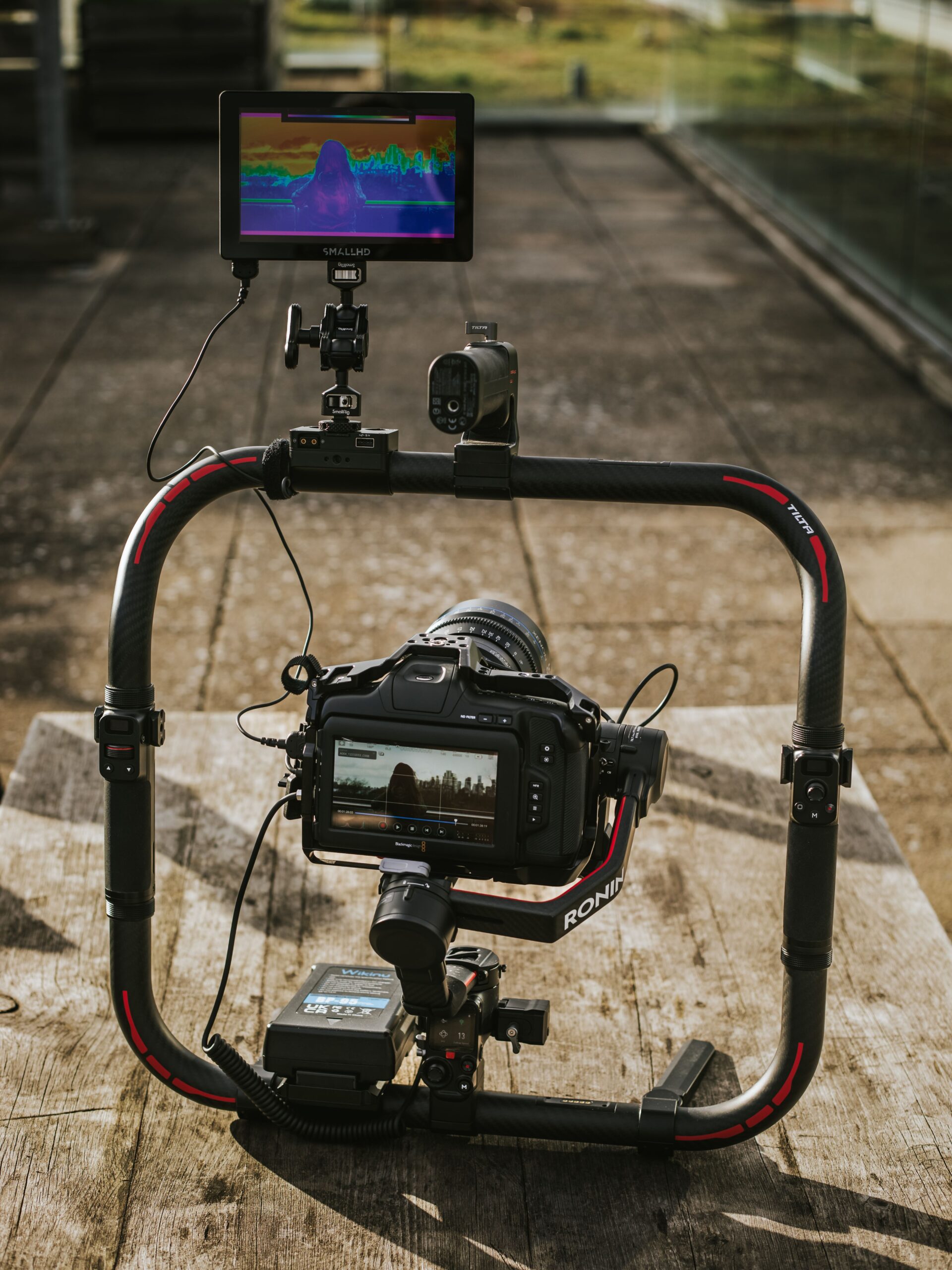
1.Blackmagic Pocket Cinema Camera 6K Pro
The Blackmagic Pocket Cinema Camera 6K Pro is that passionate, high-maintenance artist friend who shows up with breathtaking work but always needs a coffee run and an extra charger. It serves up cinematic visuals that rival Hollywood productions, handles skin tones like a master painter, and gives you enough dynamic range to fix almost anything in post. But let’s be real—this camera has two hungers: data and battery. It’ll chew through storage like popcorn and drain power faster than your phone on a road trip. Yet somehow, the moment you see that footage on your timeline, all those extra batteries and external SSDs feel like a small price to pay for pure cinematic gold. It’s not perfect, but perfection is overrated anyway. This is a filmmaker’s camera through and through—flawed, demanding, and absolutely irresistible.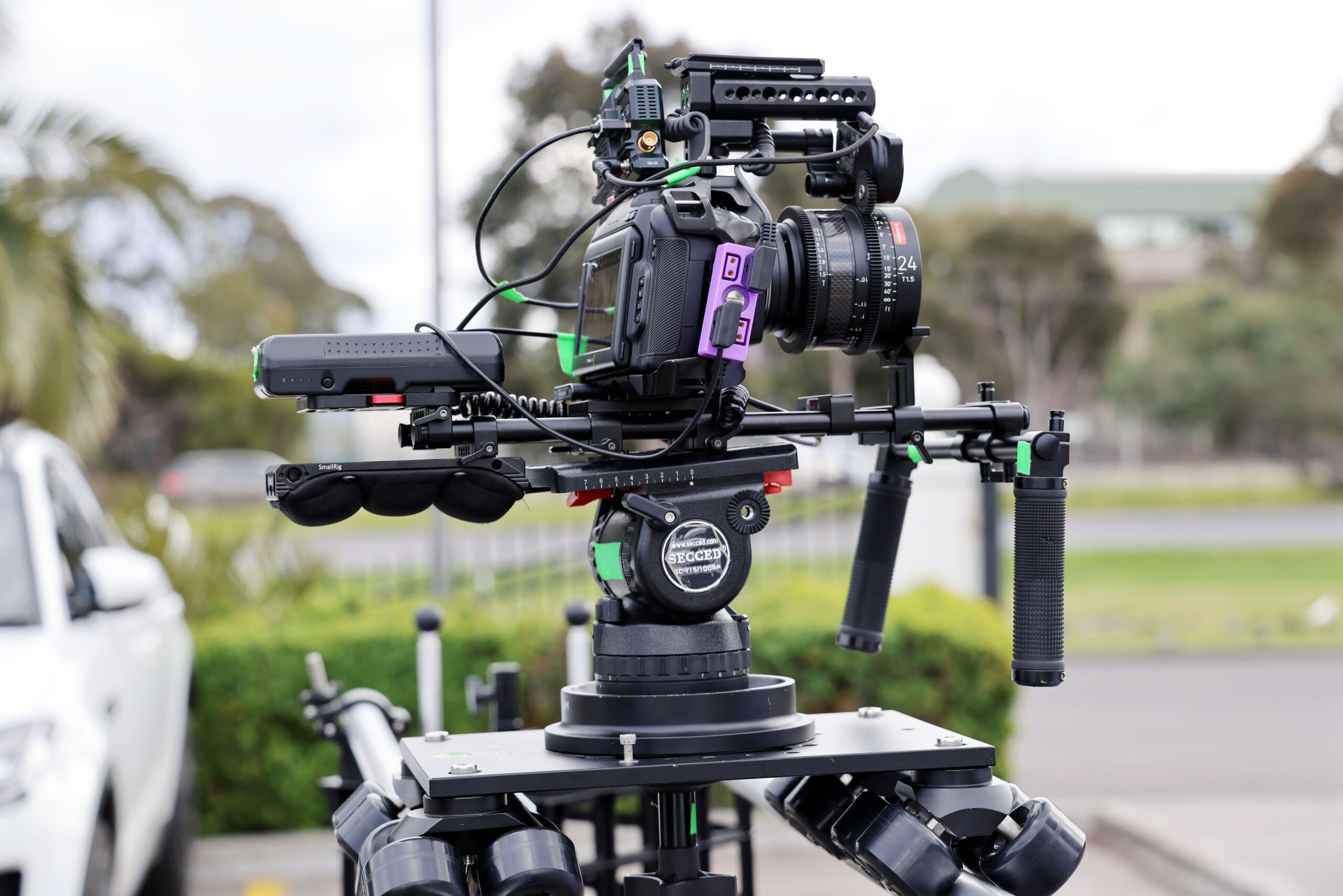
2.Sony ZV-E1
The ZV-E1 is Sony’s full frame answer to creators who want that shallow depth-of-field look without hauling around a cinema rig. It’s compact, lightweight, and packs a 12MP full frame sensor that performs surprisingly well in low light . The real magic is the subject tracking not just for autofocus but also for keeping you centered in the frame when you’re filming yourself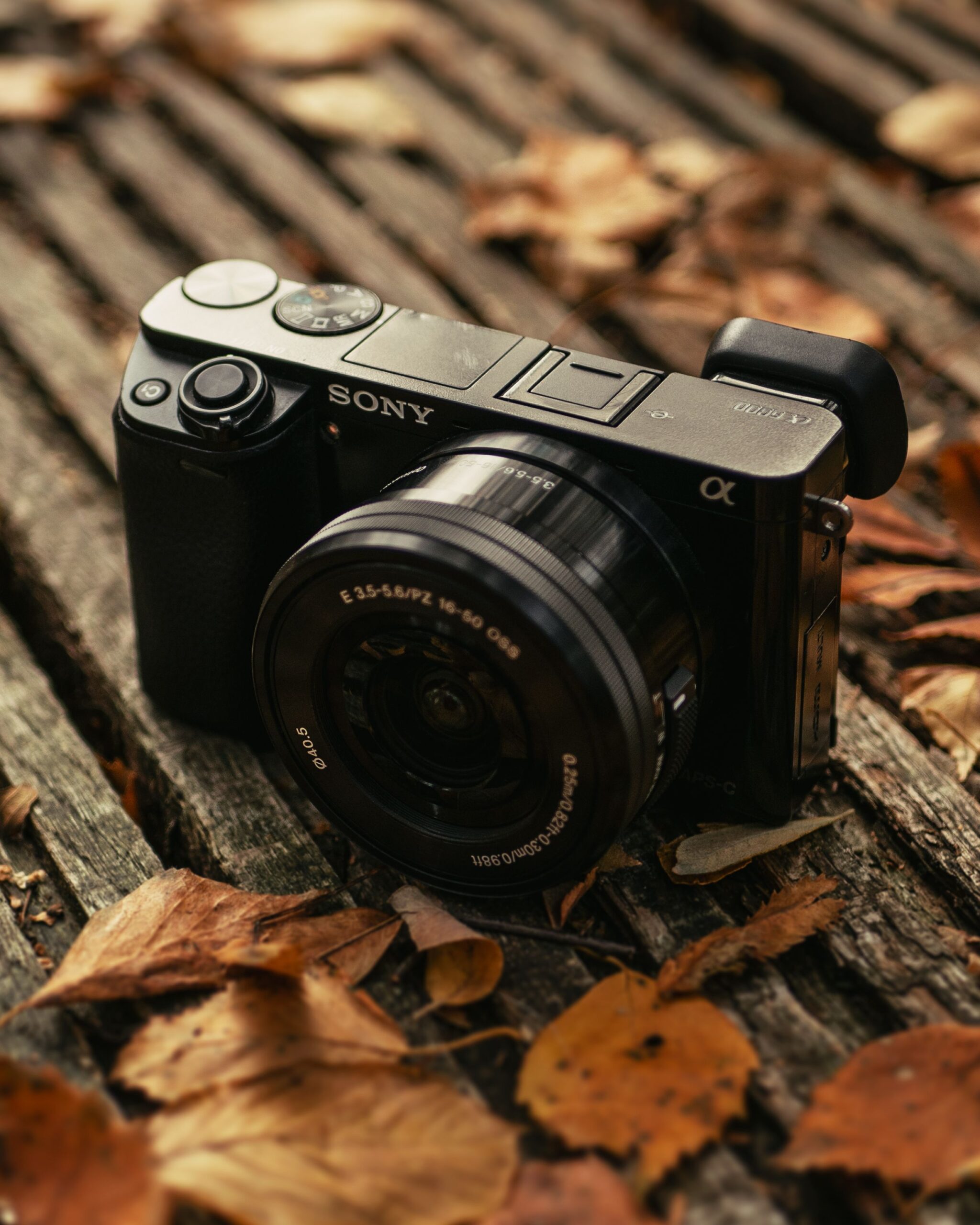
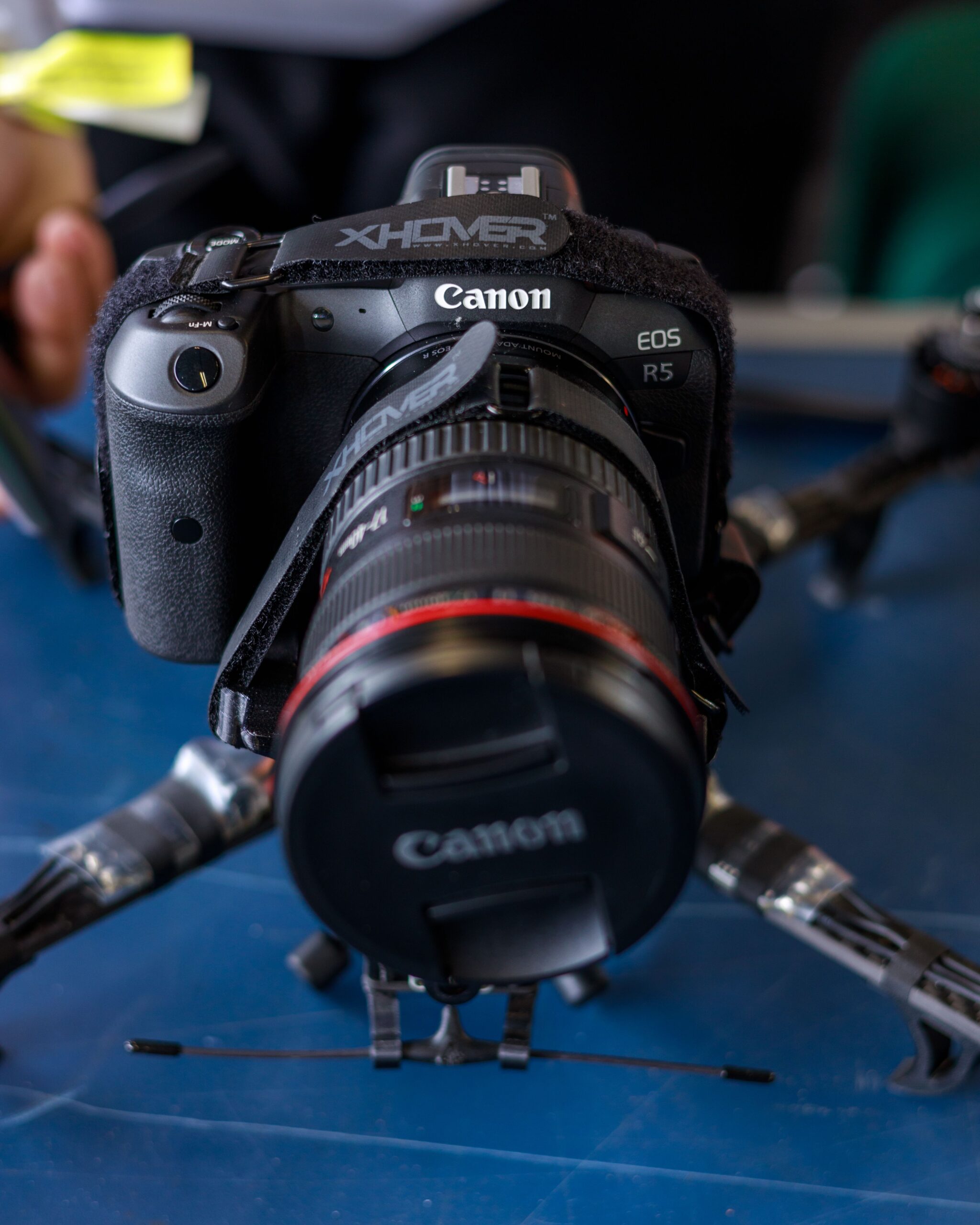
3.Canon EOS R5 C
Canon EOS R5 C – The Hybrid That Means Business
The R5 C is Canon’s crossover that refuses to pick a side it’s a 45MP stills monster and a cinema-grade video machine stuffed into one body. It shoots internal 8K RAW like it’s no big deal, gives you 4K at 120fps for buttery slow-mo, and packs enough resolution to crop into another zip code. The dual operating system is the real trick flip a switch and the menu transforms from Canon’s familiar photo interface into their full Cinema OS with waveforms, false color, and all the pro video tools. Autofocus locks onto eyes, animals, and vehicles with sticky precision. The RF glass is optically stunning but expensive, and there’s no in-body stabilization, so you’ll want stabilized lenses or a gimbal. The cooling fan keeps overheating in check, but the battery drains fastyou’re looking at 40 minutes of 8K or around 300 shots per charge. Dual card slots mean CFexpress for the heavy 8K files and SD for everything else. It’s built for pros who need top-tier hybrid performance and don’t mind the power and storage budget that comes with it.
5.Panasonic Lumix GH6
The GH6: A Relationship With Compromises
There’s a certain magic to the Micro Four-Thirds system, and the Panasonic Lumix GH6 embodies it perfectly. The ability to pack a camera, a couple of lenses, and spare batteries into a small bag is the system’s greatest superpower . For a run-and-gun shooter or a travel enthusiast, that’s pure gold.
But, and it’s a significant but, the GH6 is a camera that demands you understand its quirks. It’s built like a tank, has best-in-class image stabilization, and offers video specs that compete with cameras twice its price . However, the autofocus system is a throwback to an older era, and the colors can feel a bit muted right out of the camera . It’s a camera that forces you to slow down, rely on your own skills, and embrace a more deliberate style of shooting. In a world of instant gratification and AI-powered everything, the GH6 feels refreshingly old-school and, for some, infuriatingly stubborn.
6.DJI Osmo Pocket 3
This Tiny Camera Is the Ultimate Travel Buddy! 📸
The DJI Osmo Pocket 3 is the little camera that changed everything. It’s got a bigger 1-inch sensor for amazing quality, a super handy rotating screen, and built-in gimbal for buttery-smooth video. It’s so small you can take it anywhere, but it makes your everyday moments look like a movie!
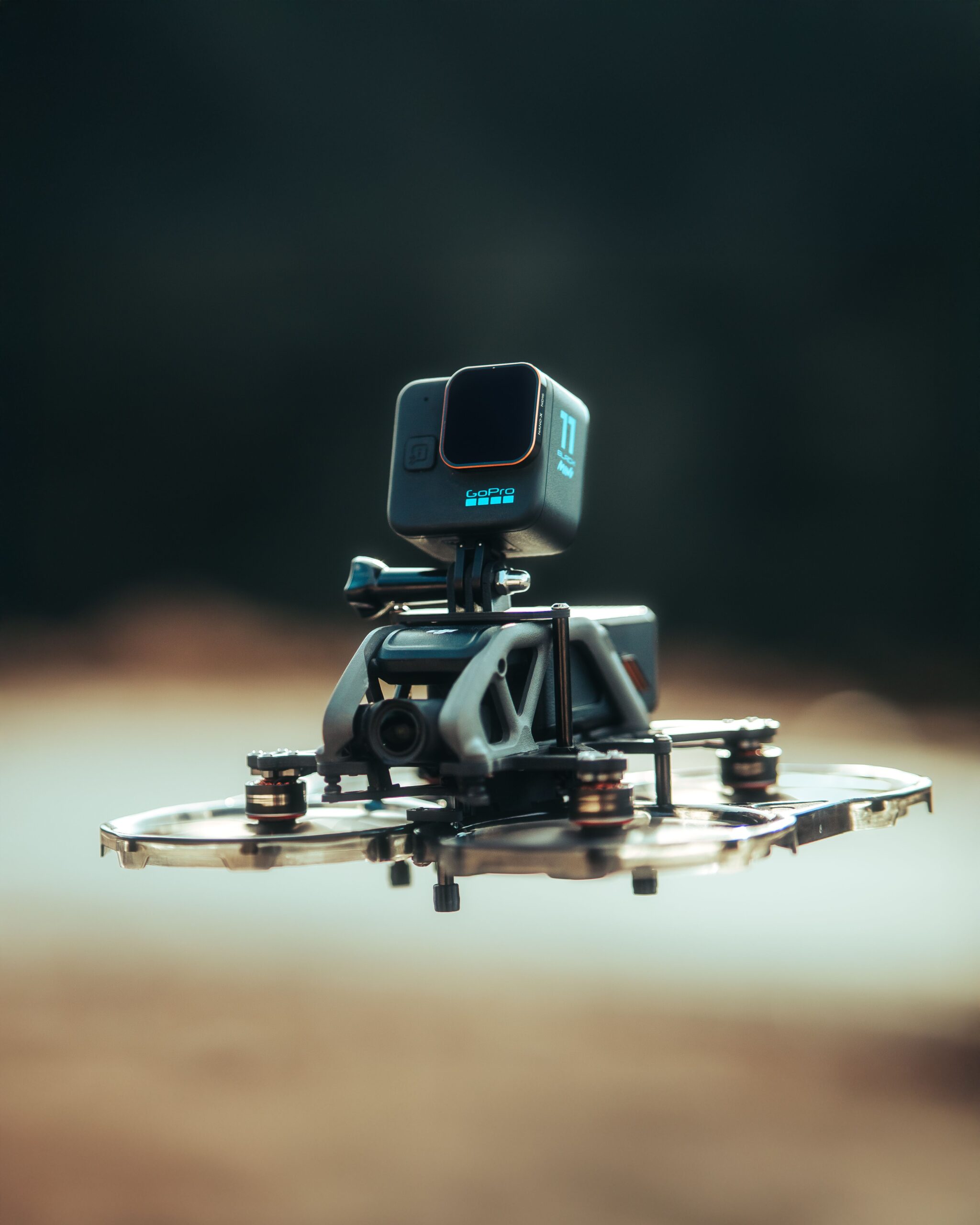
GoPro Hero12 Black: The One-Month Reality Check
I’ll be honest I bought this camera because I was tired of nearly dropping my phone off a cliff while trying to capture a sunset. I wanted something rugged, portable, and brainless to operate. After using the Hero12 Black for about a month across hikes, bike rides, and chaotic family outings, here’s my unfiltered take.
The Battery: My Love-Hate Relationship with it
Let’s start with the battery, because this is the part that honestly stresses me out the most. GoPro includes their new Enduro battery, which they claim is better in cold weather. I tested that on a chilly morning hike about 40°F and yeah, it lasted longer than previous models would have. I got roughly 70 minutes of continuous 5.3K recording before it died. That sounds decent until you realize you’re constantly doing mental math: If I film this trail now, will I have enough juice for the summit?
I’ve started treating batteries like snacks I never leave home without at least two spares in my pocket. And here’s the thing: even when the battery says 10%, it drains to zero in what feels like seconds. You learn to swap early and often. If you’re someone who films casually in short bursts, you’ll probably be fine. But if you’re documenting a full day out, you’re either buying a three-pack of extras or you’re going to be disappointed. It’s not a dealbreaker, but it’s definitely the thing I complain about most.
The Lens: Wide, Weird, and Wonderful
Now, the lens. Physically, it’s the same ultra-wide glass GoPro has been using for years tough, scratch-resistant, and protected by that removable cover which I’ve already cracked once (thankfully replaceable). But the real story isn’t the glass itself it’s what the camera does with what it sees.
The field of view is aggressively wide. I’m talking “I can see my own elbows while holding it” wide. At first, I loved it, it made every mountain look epic and every bike jump feel massive. But after a while, I noticed that everything looked a little too distorted. My kid’s face in the corner of the frame looked like a funhouse mirror. That’s when I discovered the Linear mode, which digitally crops the image to remove that fish-eye curve. It makes everything look more natural, more like what your eyes actually see. I end up using Linear about 70% of the time now, especially for vlog-style clips where I want people to look like people.
The real magic, though, is HyperSmooth 6.0 and Horizon Lock. I ran this camera down a rocky trail while attached to my handlebars, and the footage looked like it was shot on a gimbal. The lens captures so much detail leaves, clouds, gravel that you can actually crop in during editing and still have a sharp image. But here’s the catch: all that wide-angle glory means you have to be mindful of your composition. If you’re not careful, you’ll end up with half your frame filled with your own feet or the ground right in front of you. It took me a few days to learn how to angle it properly. Once I did, though? Chef’s kiss.
Storage: The Silent Killer of Good Intentions
Storage is where I messed up and I want you to learn from my mistake. The Hero12 has zero internal memory. Zero. You cannot take a single photo or record one second of video without a microSD card. I learned this the hard way when I drove 45 minutes to a beautiful waterfall, pulled out the camera, and got that dreaded “No SD Card” message. I wanted to throw the thing into the river.
So, here’s my advice: buy a high-speed card V30 or UHS-3 rated because the camera will literally refuse to work with slower ones. I’m using a 256GB SanDisk Extreme, and it handles 5.3K recording without any stuttering or buffering. But here’s the part nobody tells you: even with a fast card, transferring footage to your computer takes forever. A 10-minute clip at 5.3K is about 7 to 8 gigabytes. I sat there for nearly 20 minutes waiting for one file to move over USB-C. So if you’re someone who likes to offload footage daily, get ready for some coffee-break waits.
Also, keep an eye on your card’s remaining space. The camera doesn’t give you a huge warning when it’s about to fill up just a small icon that’s easy to miss. I’ve lost a few good clips because I assumed I had room and didn’t. Now I format my card before every big shoot, which feels drastic but saves me from heartbreak.
The Heat Factor (Because You Deserve to Know)
I can’t end this without mentioning the heat. After about 20 to 25 minutes of recording in 4K at 60fps, the camera gets noticeably warm not scorching, but warm enough that I start checking it nervously. I’ve heard horror stories online about shutdowns, but mine has never actually turned off on me. I think it’s because I shoot in short clips 3 to 5 minutes at a time rather than rolling continuously. If you’re planning to film a long ceremony or a full lecture, this might not be your camera. But for action bursts? It handles the heat just fine.
Final Thought : Would I Buy It Again?
Yes. But only if you understand what you’re signing up for. The Hero12 Black is not a “set it and forget it” camera. It’s a high-maintenance diva that rewards you with absolutely stunning footage provided you feed it good batteries, fast cards, and short recording bursts. It’s moody, it runs warm, and it’ll punish you if you’re unprepared. But when you bring home that 5.3K clip of your kid catching their first wave or your buddy sending it off a dirt jump, all the annoyances fade away.
Just get some extra batteries. Trust me on that one.
