

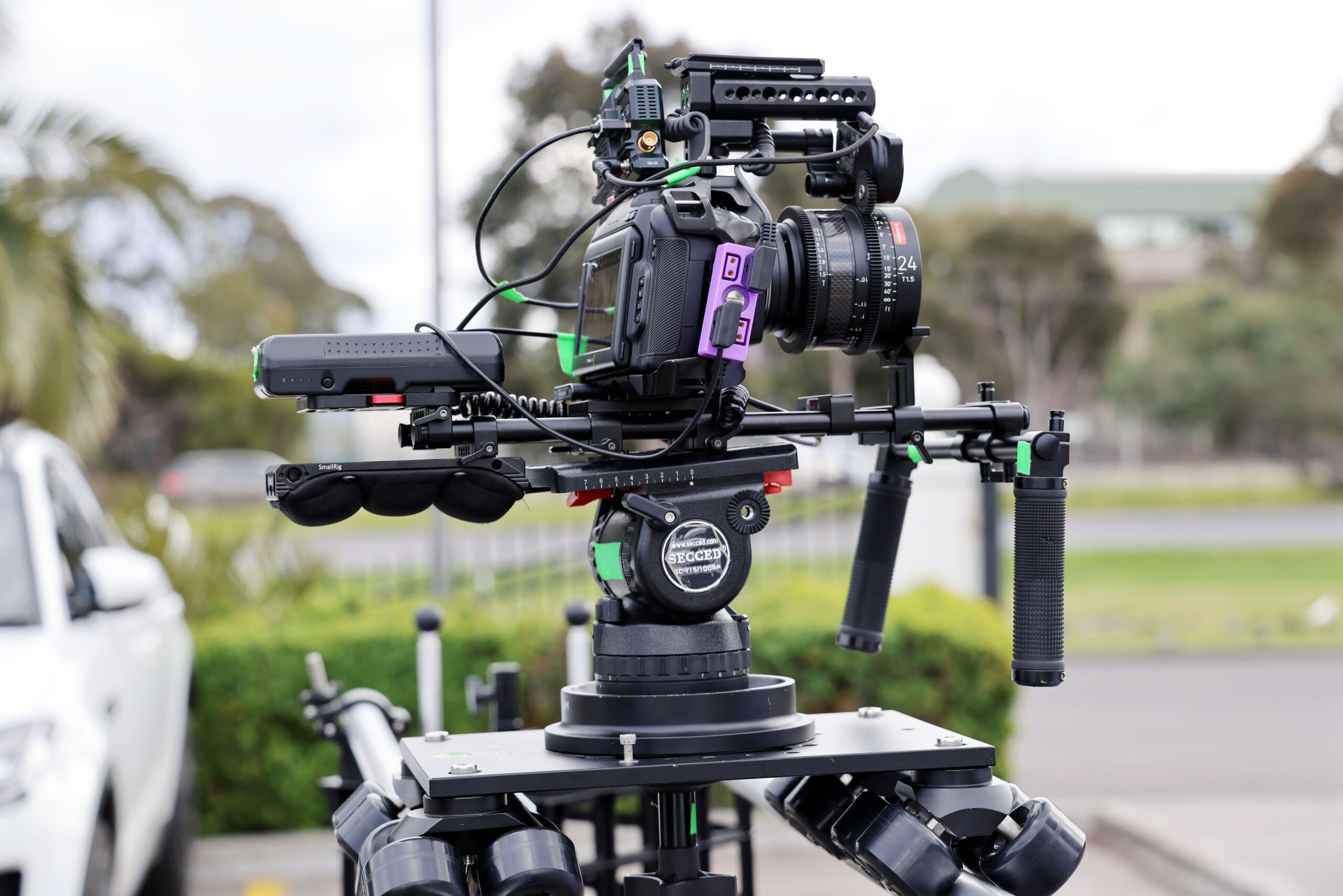
1.Blackmagic Pocket Cinema Camera 6K Pro

The Blackmagic Pocket Cinema Camera 6K Pro is that passionate, high-maintenance artist friend who shows up with breathtaking work but always needs a coffee run and an extra charger. It serves up cinematic visuals that rival Hollywood productions, handles skin tones like a master painter, and gives you enough dynamic range to fix almost anything in post. But let’s be real—this camera has two hungers: data and battery. It’ll chew through storage like popcorn and drain power faster than your phone on a road trip. Yet somehow, the moment you see that footage on your timeline, all those extra batteries and external SSDs feel like a small price to pay for pure cinematic gold. It’s not perfect, but perfection is overrated anyway. This is a filmmaker’s camera through and through—flawed, demanding, and absolutely irresistible.
The Blackmagic 6K Pro: A Love Letter to Indie Filmmakers (and a Warning About Batteries)

honestly, I’ll just say it straight up: the Blackmagic Pocket Cinema Camera 6K Pro is, hands down, the most cinematic image you can get for the money right now. We’re talking about an image quality that genuinely rivals cameras costing two or three times as much. But this camera has a personality, and like any passionate artist, it comes with its quirks. You have to know what you’re getting into, because this isn’t your average run-and-gun camcorder. It’s a proper cinema camera that demands to be treated like one. 

The Lens and the Look: Pure Cinema

The heart of this beast is the Super 35 sensor and the active Canon EF lens mount . This is fantastic news if you already own a collection of EF glass from a DSLR. The camera breathes new life into those lenses, delivering that shallow depth of field and gorgeous bokeh we all crave.

And the footage itself? It’s breathtaking. The dynamic range is around 13 stops, and the color science Blackmagic’s Gen5 is phenomenal. It handles skin tones beautifully and gives you that organic, filmic texture that’s hard to replicate. Honestly, some reviewers and users who’ve shot on RED Komodo, Sony FX series, and Canon C series say the image from this Blackmagic beats them all . That’s a bold claim, but having used it, I can see why they say that. The flexibility you get with 6K resolution is a lifesaver for reframing and stabilizing in post.

The Zoom: It’s All About the Glass

Now, there’s no “zoom” built into the camera body itself it’s a cinema camera, not a camcorder . Your zoom and focal length are entirely dependent on the lens you attach. Because it’s an active EF mount, you can use the camera’s buttons or touchscreen to control focus and iris on compatible lenses, which is a nice touch . But if you’re hoping for a powered zoom like on a Sony or Canon camcorder, you won’t find it here. It’s manual, deliberate filmmaking.

The Built-in ND Filters: A Game Changer

One of the main reasons to choose the “Pro” model over the standard 6K is the built-in motorized ND filters. This is a total game-changer. It has 2, 4, and 6-stop filters that you can engage at the touch of a button on the back of the camera . I cannot tell you how liberating this is. Instead of fiddling with a matte box or screw-on NDs when the sun dips behind a cloud, you just click a button and keep shooting. It keeps the workflow smooth and professional, especially when you’re shooting quickly .

Storage: Pack Your Drives

Here’s where things get real. This camera churns out massive data files. We’re talking 12-bit Blackmagic RAW and 10-bit ProRes files. You need to be prepared for this . The camera has a CFast 2.0 card slot and an SD UHS-II slot, but to be honest, the cost of a high-capacity CFast card will make your eyes water.

The real pro move is using the USB-C expansion port to record directly to an external SSD like the Samsung T5 . It’s cheaper, gives you tons of space, and you can edit directly from the drive in DaVinci Resolve. Just a heads-up: the camera can be picky about which SSDs it likes, so check the official compatibility list before you buy . Also, you can’t delete clips in-camera you have to do that on a computer, which is a weird quirk .

The Battery Life: The One True fault

Let’s talk about the elephant in the room: the battery. It uses a larger NP-F570 battery, and Blackmagic officially rates it for about 60 minutes of recording time. 

In the real world? Expect less. Way less. Every single review and user testimonial will tell you the same thing: it drains fast . You absolutely cannot trust it for a full day’s shoot. I’ve even heard from users saying the camera can shut off when the battery indicator still says 25% . It’s frustrating, but it’s the price you pay for that sensor and bright screen. You have two options: carry a bag full of NP-F570 batteries, or invest in a professional external battery solution that connects via the locking DC power port. This is the one compromise you have to accept for this level of image quality.

Final Assessment.

The Blackmagic Pocket Cinema Camera 6K Pro is a brilliant, frustrating, and utterly inspiring piece of kit. It’s a filmmaker’s camera through and through. You won’t get reliable autofocus or incredible battery life. But you will get an image so rich and malleable that it makes the editing process an absolute joy. If you’re an indie filmmaker, a cinematographer looking for a B-cam, or someone ready to step up to a proper cinema workflow, this camera is a no-brainer. Just budget for a cage, a good SSD, and a whole lot of batteries.

2.Sony ZV-E1

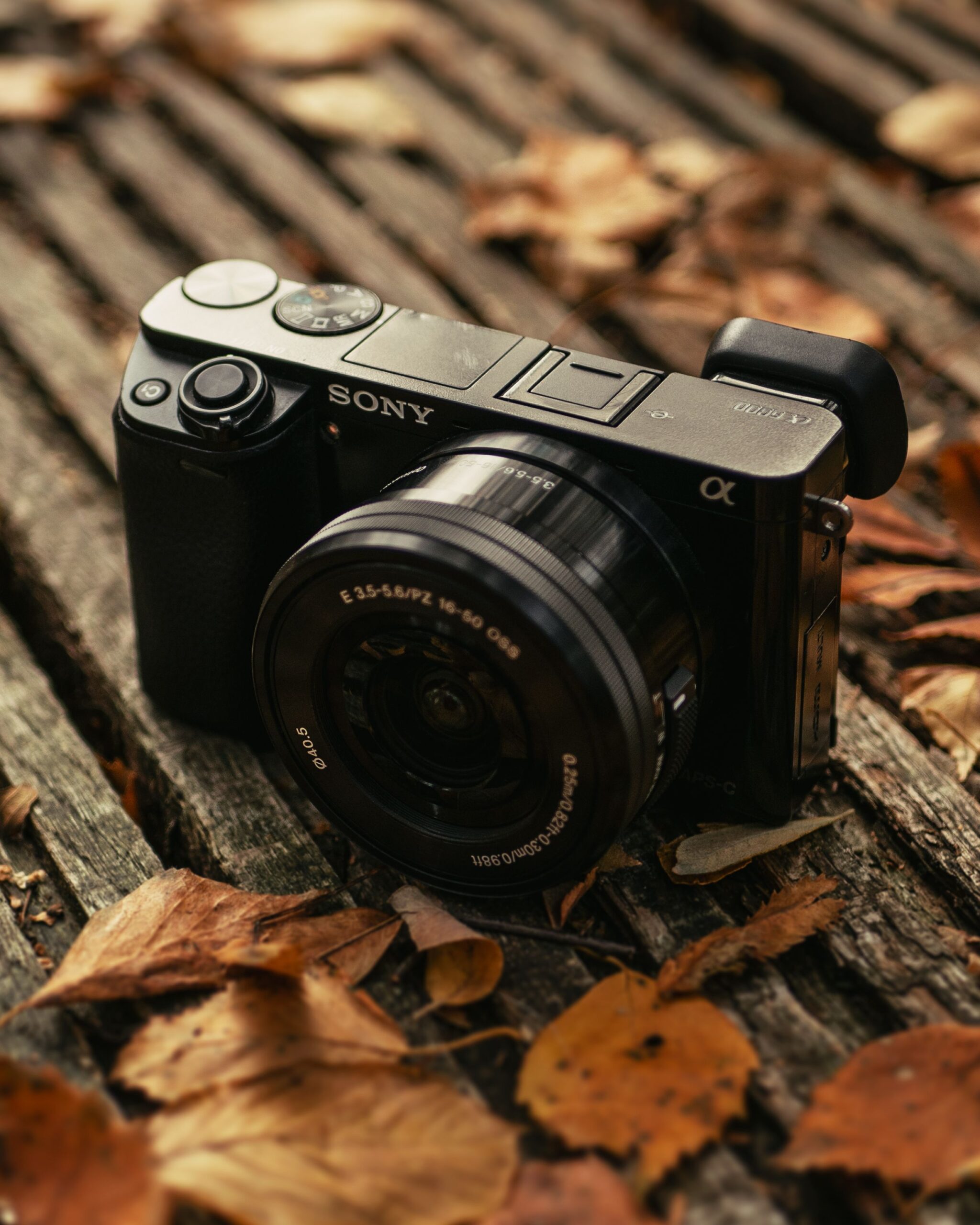
The ZV-E1 is Sony’s full frame answer to creators who want that shallow depth-of-field look without hauling around a cinema rig. It’s compact, lightweight, and packs a 12MP full frame sensor that performs surprisingly well in low light . The real magic is the subject tracking not just for autofocus but also for keeping you centered in the frame when you’re filming yourself
What You’ll Absolutely Love

The Image Quality is Stunning
This camera has the same full-frame sensor as the legendary Sony A7S III. In plain English, it captures video that looks simply gorgeous. The dynamic range is incredible, meaning it handles shadows and highlights beautifully, and its low-light performance is next-level. If you’ve ever filmed in a dimly lit room and got a grainy mess, the ZV E1’s ability to shoot clean footage at high ISOs will blow you away. You get that beautiful, cinematic depth of field that makes your subject pop.

It’s Powerful Portable
Seriously, it’s tiny and light for a full-frame camera. This is a huge win for travel or anyone who’s tired of lugging around heavy gear. You can easily hold it for hours or stick it on a small gimbal without breaking your back.

AI Autofocus is Like Magic
The AI-powered subject tracking is legitimately the best I’ve ever seen. It locks onto a person’s eye or head and sticks to them like glue, even if they turn away or move quickly. It’s incredibly freeing not to have to worry about focus and just concentrate on getting the shot.

The Stabilization is a Game-Changer (Mostly)
The “Dynamic Active Stabilization” mode is the real deal. It lets you get smooth, walk-and-talk footage without a gimbal. It does this by cropping into the image a bit, but it’s a worthwhile trade-off for not having to carry more gear.

The Frustrating Reality Check

The Overheating is a Big Deal
This is the elephant in the room. For a camera that costs this much, the overheating can be a major letdown. Recording 4K video at 60fps for an extended period can cause it to shut down, sometimes in as little as 9 minutes in warm weather. One user was left with a $2000 “paperweight” because their camera degraded to the point of shutting down after 30 minutes. It’s the #1 complaint from owners. For this reason alone, I’d caution against using it for long events, interviews, or shooting outdoors in the sun.

The Single SD Card Slot is Nonsense
This is just a baffling choice for a camera with pro-level specs. It means no instant backup. If your card fails or you run out of space, your footage is gone. It’s a massive professional liability.

The Lens Situation Requires Thought
Don’t just buy any lens. The camera is so small that a big, heavy full-frame lens (like a 24-70mm f/2.8) makes it super front-heavy and awkward to hold. To get the best out of it, you’ll want a compact lens like the Sony FE 24mm f/2.8 G, the 28-60mm kit lens, or the power-zoom 16-35mm f/4 G. This is an extra cost and consideration you need to factor in.

It’s a Video-First Device
The 12-megapixel sensor is incredible for video but feels incredibly stingy for photos. If you’re a hybrid shooter who regularly takes high-resolution stills, this camera will frustrate you. It’s made for social media content, not for large prints or heavy cropping.

Battery and Storage in the Real World

  • Battery Life: It uses Sony’s excellent NP-FZ100 battery, which is a solid performer. In mixed shooting, you can easily get a good day’s work out of it, and you can always top it up with a power bank via USB-C. You won’t be swapping batteries every hour, which is a relief.

  • Storage: This is where it stings again. The single SD card slot is a problem, but it’s doubly frustrating because the card door is one of the few weak points in the build, feeling a bit flimsy compared to the rest of the camera.

The Human Verdict

The Sony ZV-E1 is a camera of extremes. It offers a truly “wow” factor with its cinematic image quality and magical autofocus, all wrapped in a brilliantly portable body. It feels like the future of vlogging and content creation.

However, the overheating issue is a real and present danger that could ruin a shoot, and the single card slot is an unforgivable oversight for a camera in this price bracket.

Who is it for?

  • travel vlogger who shoots short, run-and-gun clips and prioritizes portability and stabilization above all else.

  • filmmaker who needs a high-quality B-cam or a low-light beast that can fit in a jacket pocket.

Who should avoid it?

  • Anyone who records long interviews, events, or podcasts where continuous recording is required.

  • professional photographer who needs high-resolution stills.

  • Anyone who shoots in hot climates.

The ZV-E1 is a brilliant, beautiful, but deeply flawed tool. If you understand and can work around its limitations, you’ll love it. If not, it will be the most expensive source of frustration in your camera bag.

3.Canon EOS R5 C

Canon EOS R5 C – The Hybrid That Means Business

The R5 C is Canon’s crossover that refuses to pick a side it’s a 45MP stills monster and a cinema-grade video machine stuffed into one body. It shoots internal 8K RAW like it’s no big deal, gives you 4K at 120fps for buttery slow-mo, and packs enough resolution to crop into another zip code. The dual operating system is the real trick flip a switch and the menu transforms from Canon’s familiar photo interface into their full Cinema OS with waveforms, false color, and all the pro video tools. Autofocus locks onto eyes, animals, and vehicles with sticky precision. The RF glass is optically stunning but expensive, and there’s no in-body stabilization, so you’ll want stabilized lenses or a gimbal. The cooling fan keeps overheating in check, but the battery drains fastyou’re looking at 40 minutes of 8K or around 300 shots per charge. Dual card slots mean CFexpress for the heavy 8K files and SD for everything else. It’s built for pros who need top-tier hybrid performance and don’t mind the power and storage budget that comes with it.
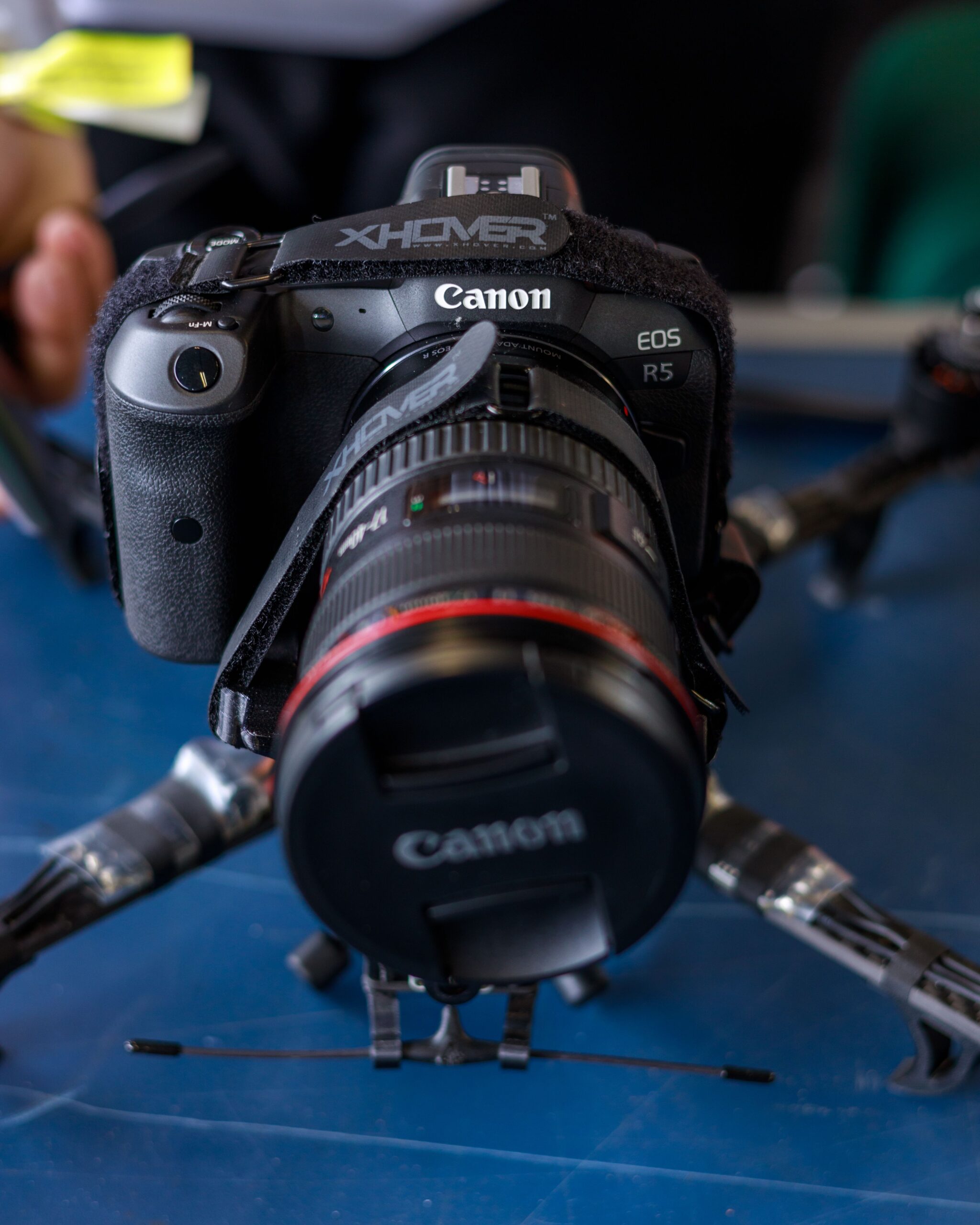
Canon EOS R5 C: The Brilliant, Battery-Hungry Beast

So, you’re looking at the Canon EOS R5 C. Let me give it to you straight, like you’re asking a friend who’s been in the trenches with this thing. It’s a camera that inspires a lot of passion and a fair bit of frustration.

The Good Stuff: Why You’ll Love It

The Image Quality is Just Jaw-Dropping

First off, the image quality is where this camera truly shines. It uses a 45-megapixel full-frame sensor, and the results are just stunning. For stills, it’s incredibly sharp and detailed, making it a dream for landscape or studio work where you need those large prints. One photographer even called it “a beast of a camera that can do pretty much everything” for photography.

For video, it’s a whole other level. You can shoot 8K RAW internally, which is wild for a camera this size. The dynamic range is reported to be around 15 stops, giving you so much flexibility to grade your footage it’s like having a cinema camera in a compact body. The 4K 120p slow-motion is buttery smooth, and the oversampled 4K from that 8K sensor looks incredible. Honestly, if you’re a hybrid shooter who demands top-tier video and stills, this is a no-brainer.

Zoom? It’s All About the Lenses

Now, the camera body itself doesn’t have a zoom, it’s the lenses you put on it. But the good news is the R5 C works with Canon’s incredible RF lenses. Think of something like the RF 24-105mm f/4L, which is a brilliant all-rounder. It’s got a constant f/4 aperture, image stabilization, and fast autofocus, making it a perfect partner for this camera for everything from portraits to events. If you need to get closer, you can even mount a massive RF 600mm f/4L for sports or wildlife, and it works perfectly with the R5 C’s advanced autofocus.

The Lens is a Dream for Sharpness

The RF lenses are also incredibly sharp. They bring out the very best in that 45MP sensor. They’re built like tanks, weather-sealed, and the autofocus is basically magic, locking onto eyes, birds, and animals with almost supernatural accuracy. You’ll also see many users talking about the AF performance being just outstanding.

The Not-So-Good: The Price of Power

The Battery Life is a Serious Achilles’ Heel

Okay, let’s get to the elephant in the room: the battery life. It is, by all accounts, bad. Canon itself rates it for about 320 shots per charge, but in the real world, shooting video, you’ll be lucky to get 40 minutes on a single battery.

One reviewer bluntly said, “you need a rig to operate this camera,” because you can’t just grab it and go for a day of shooting. You will absolutely need a solution: carry a ton of spare LP-E6NH batteries, invest in the battery grip, or what most people end up doing use an external USB-C power bank or a V-mount battery setup. It’s the single biggest complaint about this camera, and it’s a real one.

Storage: Fast Cards Are Essential

With that glorious 8K video and 45MP stills, you’re generating massive files. This is where your storage budget comes in. The R5 C has two memory card slots, but here’s the thing: one is for CFexpress Type B cards, and the other is for an SD card. It’s a bit annoying because you can’t just use two of the same card type. For 8K RAW, you must use the fast CFexpress card. The SD slot is great for photos or lower-bitrate video, but if you want to record the highest quality, you’re investing in those pricier CFexpress cards.

Other Things to Keep in Mind

The “C” Means Cinema

It’s in the name, right? The R5 C is Canon’s hybrid of the stills-focused R5 and their Cinema EOS line. That means when you flip the switch to Video Mode, the menu system completely changes to Canon’s professional cinema interface. This is fantastic for experienced videographers, but it can be a steep learning curve if you’re coming from a standard stills camera like a 5D. You have access to professional tools like waveform monitors and false color, which is a huge bonus.

Autofocus Quirks

While the autofocus is generally praised as “magic”, a few users have reported it can be crippled for wildlife compared to the standard R5, especially with tricky subjects like giraffes or elephants in complex scenes. And a serious warning if you use third-party lenses like Sigma or Tamron: they reportedly work for photos, but not for video on this camera. So, if you’re in the video world, it’s RF lenses or bust.

The Honesty

The Canon EOS R5 C is a phenomenal piece of technology. It’s a camera that can produce images and video that are truly world-class. But it’s a camera that demands you plan. It’s a cinema camera at heart that also happens to take incredible stills.

If you’re a professional hybrid shooter, a filmmaker, or a high-end content creator who is prepared to manage the power and storage needs and the learning curve this camera will reward you with some of the best footage you can get for its price. It’s a brilliant, demanding, and utterly captivating tool. Just make sure you have a battery charger in every bag.

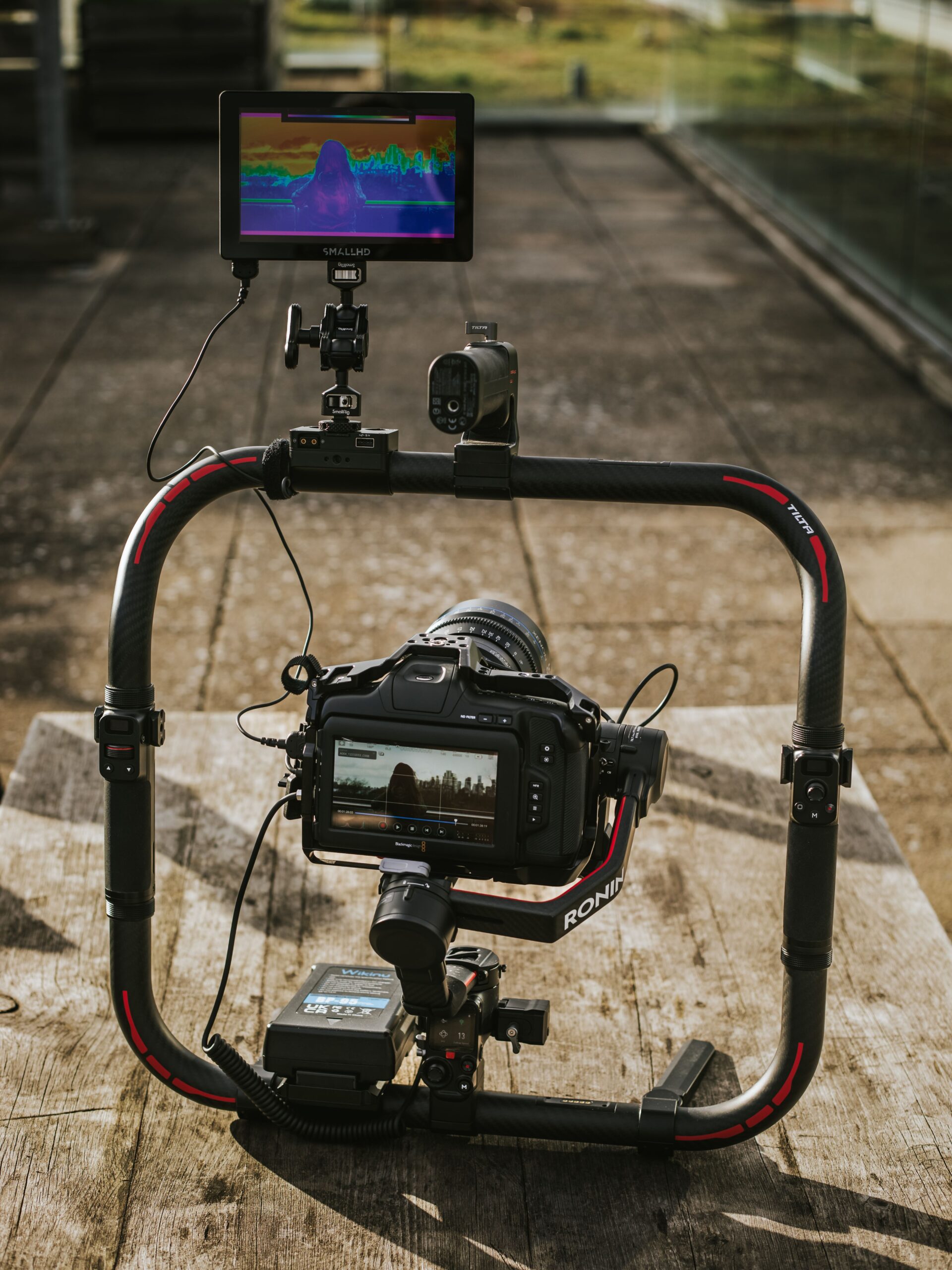
4.DJI Ronin 4D

The Ronin 4D in a Nutshell

It’s a cinema camera and gimbal merged into one—and it actually works. Four-axis stabilization kills footstep bounce, LiDAR autofocus locks on like magic, and the footage looks downright cinematic. But it’s heavy (5kg), battery life is short (under 2 hours real-world), and you’ll need DJI’s pricey SSD. Perfect for pros who need smooth shots without a crew. For casual shooters? Probably overkill. But damn, the results speak for themselves.

Let’s Get Real About the DJI Ronin 4D

Okay, I’ve had the Ronin 4D for a while now, and I want to cut through the hype and talk about what it’s actually like to live with this beast day-to-day.

Battery Life: The Good and The Frustrating

The good news: the TB50 intelligent batteries give you about 2 to 2.5 hours of actual shooting time on a full charge, and they recharge in roughly 1.5 hours. That’s decent, honestly enough for most indoor sessions.

The frustrating part: DJI went with proprietary batteries. That means you can’t just slap on your existing V-mount or Gold-mount batteries like you’re used to. You’re locked into buying TB50s, and they aren’t cheap. I bought three extras just to feel safe on longer shoots. If you want to adapt, third-party v-mount plates exist, but it’s another expense.

Pro tip: Keep at least two spares with you. You will burn through them faster than you expect, especially with 8K recording.

Storage: Prepare to Spend

This one hurt my wallet. The Ronin 4D records onto DJI’s proprietary PROSSD a 1TB drive that costs around £650 and locks you into their ecosystem. You can’t just grab a cheap CFexpress card and call it a day.

The PROSSD itself is well-designed: USB-C connection for fast transfers straight to your computer (no dongle required), and it’s rugged enough for field work. But that price tag stings, especially since you’ll likely want at least two for serious projects.

Honest take: Budget for storage before you buy the camera. It’s not optional.

Lenses: Versatility with Limitations

Here’s where things get interesting. The Ronin 4D comes with the DL mount (DJI’s own system), but you can swap to other mounts Sony E, Leica L, Leica M, PL, and EF (through third parties). That’s great flexibility.

But there’s a catch: the gimbal has weight limits. If you want to use a large full-frame zoom lens, you’ll need counterweights to balance it, adding even more weight to an already-heavy rig. DJI’s own DL lenses (the 17-28mm T3.0 zoom is popular) are optimized for the system and work beautifully crisp image quality and light enough to balance easily.

My experience: I tried adapting a Sony 24-70mm GM, and it worked but required careful balancing. For run-and-gun, I stick with DJI’s primes or the 17-28mm zoom. For narrative shoots where I have time, I’ll use adapted lenses, but it’s a hassle I didn’t anticipate.

The Bottom Line

The Ronin 4D is a brilliant, game-changing piece of tech but it’s expensive to own and operate. Batteries are proprietary, storage is premium, and lenses require careful planning. If you’re prepared for that investment (financial and physical), the results are absolutely worth it. Just don’t go in thinking it’s a budget-friendly mirrorless alternative.

My honest advice: Rent one first. See if the weight and workflow suit you. Then decide if you’re ready to adopt this cinematic beast into your life full-time.

5.Panasonic Lumix GH6

The GH6: A Relationship With Compromises

There’s a certain magic to the Micro Four-Thirds system, and the Panasonic Lumix GH6 embodies it perfectly. The ability to pack a camera, a couple of lenses, and spare batteries into a small bag is the system’s greatest superpower . For a run-and-gun shooter or a travel enthusiast, that’s pure gold.

But, and it’s a significant but, the GH6 is a camera that demands you understand its quirks. It’s built like a tank, has best-in-class image stabilization, and offers video specs that compete with cameras twice its price . However, the autofocus system is a throwback to an older era, and the colors can feel a bit muted right out of the camera . It’s a camera that forces you to slow down, rely on your own skills, and embrace a more deliberate style of shooting. In a world of instant gratification and AI-powered everything, the GH6 feels refreshingly old-school and, for some, infuriatingly stubborn.
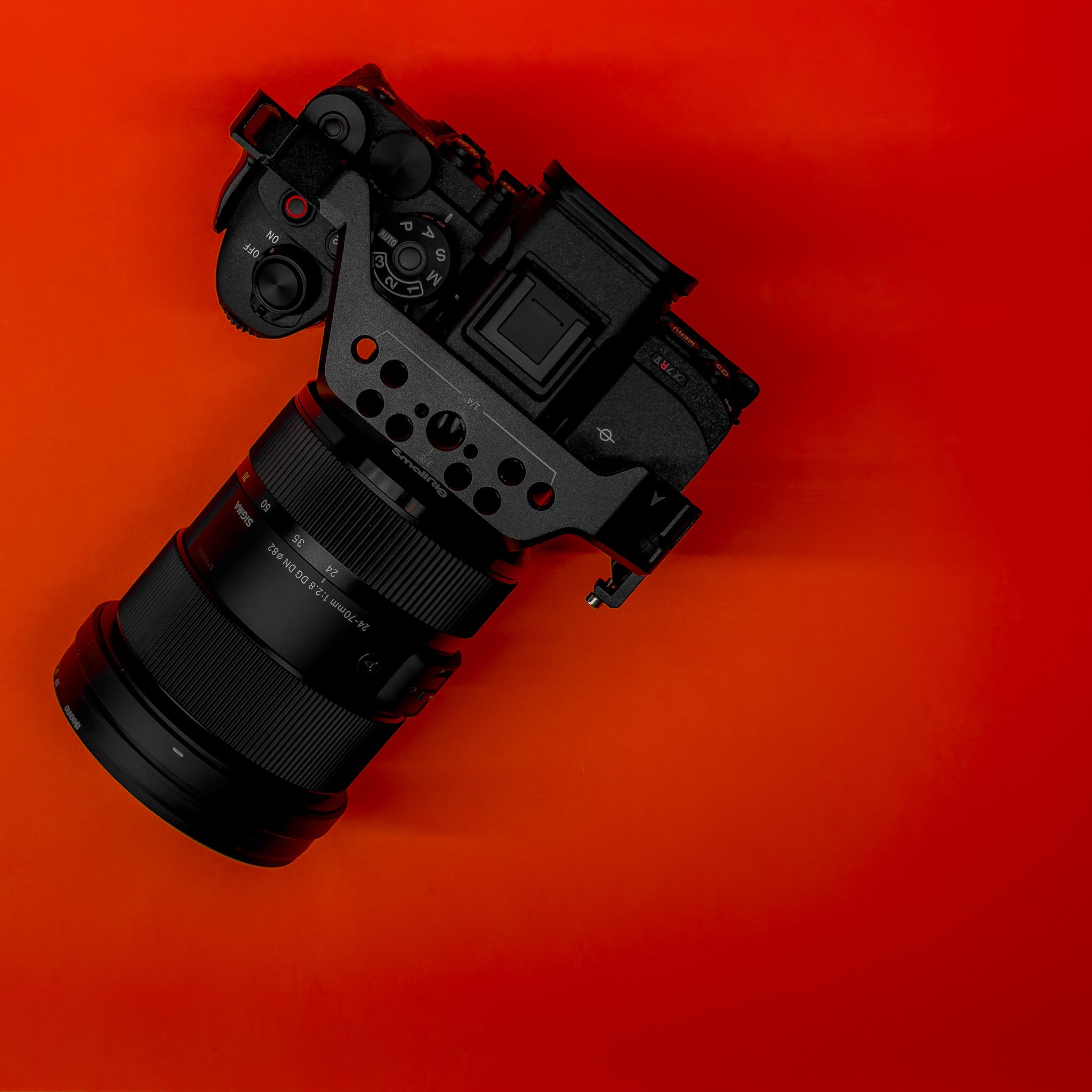
The Panasonic Lumix GH6

A Workhorse with a Heartbeat

Having spent a few months with the Panasonic Lumix GH6, I’ve developed a deep appreciation for its strengths and a healthy frustration with its weaknesses. This is a camera that feels like it was built for a specific kind of shooter someone who prioritizes image quality and stability over the latest autofocus wizardry.

  • Battery Life: Let’s get this out of the way: the battery is a bit of a disappointment. You’re looking at roughly 60-90 minutes of continuous, high-bitrate video recording or a few hundred stills before you need a charge . It’s worse than the GH5, which is a real bummer . If you’re planning a full day of shooting, you will need at least three batteries, or you’ll be constantly tethered to a USB-C power bank .

  • Storage: The dual card slots are a lifesaver for professional work. Having one CFexpress Type B slot for the high-bitrate ProRes files and an SD card slot for backups or less demanding footage is a fantastic setup . The ability to record straight to an external SSD via USB-C is another brilliant feature that saves money on expensive memory cards .

  • The Lens Ecosystem (and IBIS): This is where the MFT system truly shines. The sheer variety of lenses available is staggering. I paired mine with the Panasonic Leica 12-60mm, and the combination of the lens’ Power OIS and the GH6’s phenomenal 5-axis in-body stabilization (IBIS) is a game-changer . It’s the best I’ve ever experienced. The 7.5-stop stabilization means you can confidently shoot sharp images or buttery-smooth footage handheld in situations where you’d normally need a gimbal or tripod .

  • Final Thoughts: The GH6 is not a perfect camera. The contrast-detect autofocus struggles in low light and with unpredictable subjects, and the menu system is a labyrinth of options that you’ll need to customize to your liking . The MFT sensor also means you’ll hit its noise limits faster than you would with a full-frame camera, especially above ISO 2000 . However, if you’re a filmmaker or a hybrid shooter who values built-in cooling, unmatched stabilization, and professional-grade recording options, the GH6 is a serious workhorse. It has an indescribable charm and, despite its quirks, it’s one of the most capable video cameras at its price point. Just be sure you know what you’re getting into.

 6.DJI Osmo Pocket 3

This Tiny Camera Is the Ultimate Travel Buddy! 📸

The DJI Osmo Pocket 3 is the little camera that changed everything. It’s got a bigger 1-inch sensor for amazing quality, a super handy rotating screen, and built-in gimbal for buttery-smooth video. It’s so small you can take it anywhere, but it makes your everyday moments look like a movie! 
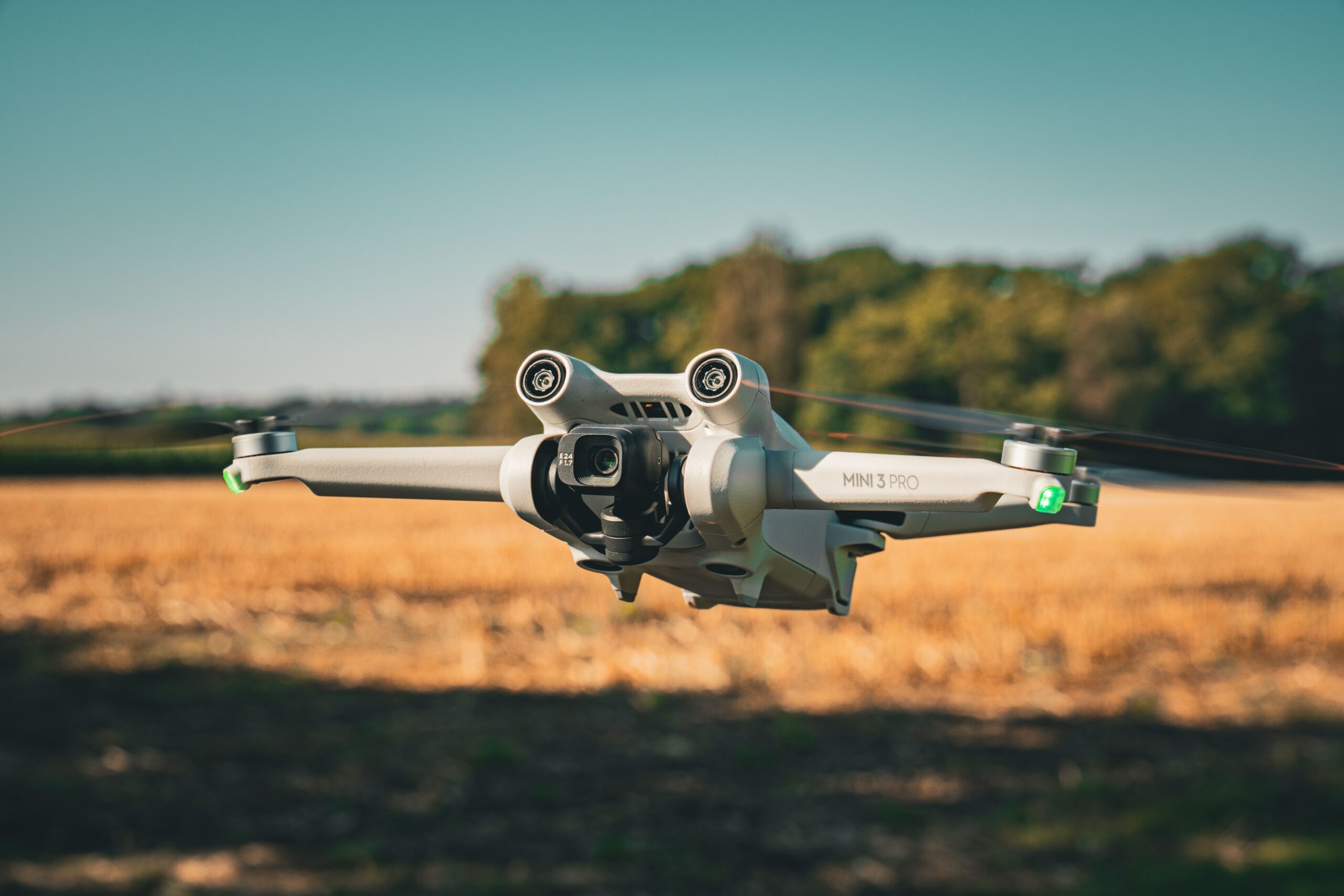
 DJI Osmo Pocket 3

I’m not a pro cinematographer, so I wanted a camera that made creating fun and easy, without a huge learning curve or carrying a heavy bag. The DJI Osmo Pocket 3 has been a game-changer. After using it for a few weeks, here’s the real talk on the essentials.

Battery Life: The Real Deal

One of my biggest fears was running out of battery mid-shot, but this little guy holds its own. The built-in battery is rated for over 2.5 hours of recording at 1080p, which is impressive . I managed to film an entire day out without panic, though I did switch to 4K for the main parts. Fast charging is a lifesaver, too I can get it to a usable charge in about 20 minutes . If you’re a heavy user, the Creator Combo’s extra battery handle is a must-have, practically doubling your recording time .

Storage: A Small (But Important) Catch

Here’s the thing that caught me off guard: there’s no built-in storage . You absolutely must buy a microSD card before you start shooting . The Pocket 3 supports cards up to 1TB, so get one with a high speed rating (like V30 or UHS-I) to handle that sweet 4K video .

Lens & Image Quality: Where It Shines

This is where the Pocket 3 really wins. The 1-inch sensor is a big step up from the previous models. It captures crisp, vibrant footage that looks genuinely professional . Even when I’m walking, the built-in gimbal keeps everything silky smooth . I was honestly surprised by how well it handles low light conditions, too.

The Bottomline

Yes, the extra cost for a memory card and the optional battery handle can make the total price feel steep, but the image quality and sheer portability make it worth it for me. The DJI Osmo Pocket 3 transforms the everyday into something cinematic, and that’s a win in my book. It’s a must-have for anyone who wants to level up their travel vlogs or just capture life’s beautiful moments with minimal fuss .

7.GoPro Hero12 Black

The GoPro Hero12 Black: A Powerhouse with One Flaw

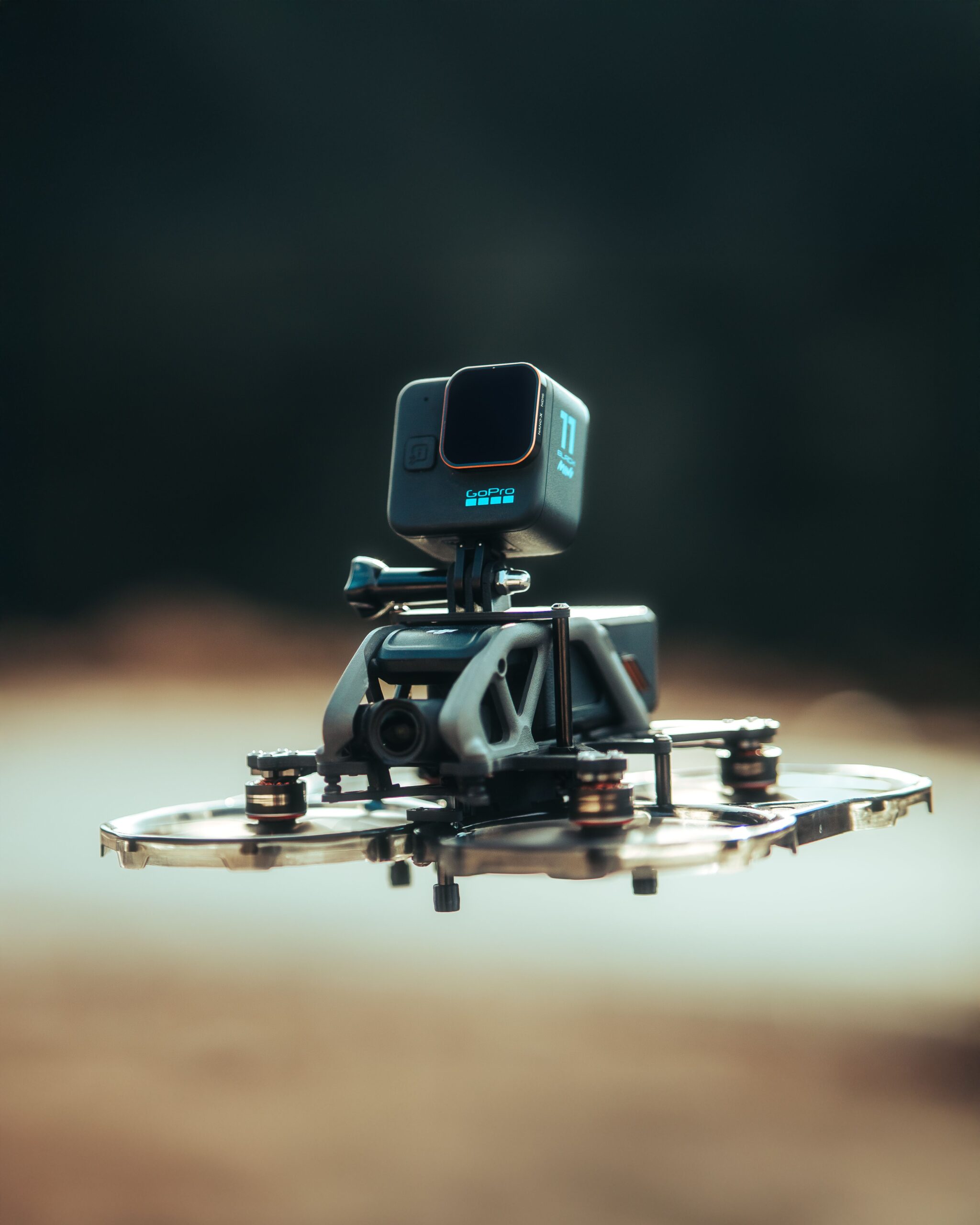
The GoPro Hero12 Black is a portable powerhouse. It shoots jaw-dropping 5.3K video that’s so smooth, thanks to HyperSmooth 6.0 stabilization, that you’ll think you’re using a gimbal. The footage is crisp and vibrant, perfect for capturing anything from a mountain bike ride to a family day at the beach. However, there’s a catch. While it’s undeniably tough and waterproof, many users find it runs hot. For short, epic clips, it’s an absolute dream; for long, continuous sessions, the battery life and overheating can be a real buzzkill.


GoPro Hero12 Black: The One-Month Reality Check

I’ll be honest I bought this camera because I was tired of nearly dropping my phone off a cliff while trying to capture a sunset. I wanted something rugged, portable, and brainless to operate. After using the Hero12 Black for about a month across hikes, bike rides, and chaotic family outings, here’s my unfiltered take.


The Battery: My Love-Hate Relationship with it

Let’s start with the battery, because this is the part that honestly stresses me out the most. GoPro includes their new Enduro battery, which they claim is better in cold weather. I tested that on a chilly morning hike about 40°F and yeah, it lasted longer than previous models would have. I got roughly 70 minutes of continuous 5.3K recording before it died. That sounds decent until you realize you’re constantly doing mental math: If I film this trail now, will I have enough juice for the summit?

I’ve started treating batteries like snacks I never leave home without at least two spares in my pocket. And here’s the thing: even when the battery says 10%, it drains to zero in what feels like seconds. You learn to swap early and often. If you’re someone who films casually in short bursts, you’ll probably be fine. But if you’re documenting a full day out, you’re either buying a three-pack of extras or you’re going to be disappointed. It’s not a dealbreaker, but it’s definitely the thing I complain about most.


The Lens: Wide, Weird, and Wonderful

Now, the lens. Physically, it’s the same ultra-wide glass GoPro has been using for years tough, scratch-resistant, and protected by that removable cover which I’ve already cracked once (thankfully replaceable). But the real story isn’t the glass itself it’s what the camera does with what it sees.

The field of view is aggressively wide. I’m talking “I can see my own elbows while holding it” wide. At first, I loved it, it made every mountain look epic and every bike jump feel massive. But after a while, I noticed that everything looked a little too distorted. My kid’s face in the corner of the frame looked like a funhouse mirror. That’s when I discovered the Linear mode, which digitally crops the image to remove that fish-eye curve. It makes everything look more natural, more like what your eyes actually see. I end up using Linear about 70% of the time now, especially for vlog-style clips where I want people to look like people.

The real magic, though, is HyperSmooth 6.0 and Horizon Lock. I ran this camera down a rocky trail while attached to my handlebars, and the footage looked like it was shot on a gimbal. The lens captures so much detail leaves, clouds, gravel that you can actually crop in during editing and still have a sharp image. But here’s the catch: all that wide-angle glory means you have to be mindful of your composition. If you’re not careful, you’ll end up with half your frame filled with your own feet or the ground right in front of you. It took me a few days to learn how to angle it properly. Once I did, though? Chef’s kiss.


Storage: The Silent Killer of Good Intentions

Storage is where I messed up and I want you to learn from my mistake. The Hero12 has zero internal memory. Zero. You cannot take a single photo or record one second of video without a microSD card. I learned this the hard way when I drove 45 minutes to a beautiful waterfall, pulled out the camera, and got that dreaded “No SD Card” message. I wanted to throw the thing into the river.

So, here’s my advice: buy a high-speed card V30 or UHS-3 rated because the camera will literally refuse to work with slower ones. I’m using a 256GB SanDisk Extreme, and it handles 5.3K recording without any stuttering or buffering. But here’s the part nobody tells you: even with a fast card, transferring footage to your computer takes forever. A 10-minute clip at 5.3K is about 7 to 8 gigabytes. I sat there for nearly 20 minutes waiting for one file to move over USB-C. So if you’re someone who likes to offload footage daily, get ready for some coffee-break waits.

Also, keep an eye on your card’s remaining space. The camera doesn’t give you a huge warning when it’s about to fill up just a small icon that’s easy to miss. I’ve lost a few good clips because I assumed I had room and didn’t. Now I format my card before every big shoot, which feels drastic but saves me from heartbreak.


The Heat Factor (Because You Deserve to Know)

I can’t end this without mentioning the heat. After about 20 to 25 minutes of recording in 4K at 60fps, the camera gets noticeably warm not scorching, but warm enough that I start checking it nervously. I’ve heard horror stories online about shutdowns, but mine has never actually turned off on me. I think it’s because I shoot in short clips 3 to 5 minutes at a time rather than rolling continuously. If you’re planning to film a long ceremony or a full lecture, this might not be your camera. But for action bursts? It handles the heat just fine.


Final Thought : Would I Buy It Again?

Yes. But only if you understand what you’re signing up for. The Hero12 Black is not a “set it and forget it” camera. It’s a high-maintenance diva that rewards you with absolutely stunning footage provided you feed it good batteries, fast cards, and short recording bursts. It’s moody, it runs warm, and it’ll punish you if you’re unprepared. But when you bring home that 5.3K clip of your kid catching their first wave or your buddy sending it off a dirt jump, all the annoyances fade away.

Just get some extra batteries. Trust me on that one.

Share.
Leave A Reply

Exit mobile version