



Let’s be honest 2026 is an incredible time to be a filmmaker.
The gap between “pro” and “affordable” glass has shrunk so much that you can genuinely get a cinematic look without needing a Hollywood budget. But with so many options out there, picking the right lens can feel overwhelming.
After diving deep into what’s new this year from groundbreaking budget cine primes to versatile workhorses here are my top 7 picks for lenses that will give your videos that undeniable cinematic magic.
How to Choose Your Lens
Before we jump into the list, here’s a quick principle that shapes all my choices: your lens defines your visual identity more than your camera body does. A sharp lens on an entry-level camera will almost always look better than a cheap lens on a flagship body. Don’t underestimate the power of good glass.
Also, keep in mind that “cinematic” is about more than just shallow depth of field. It’s about smooth focus pulls, consistent color across different focal lengths, minimal focus breathing, and pleasing bokeh.
With that in mind, let’s get into the list.
1. NiSi ATHENA PRIME Set (14mm, 25mm, 35mm, 50mm, 85mm) – The Budget Cine Game-Changer
If you want to dive into true cinema lenses, the NiSi ATHENA PRIME set is arguably the most exciting release in years. It delivers the consistency and mechanical precision of high-end cine glass at a price that’s accessible to independent filmmakers.
Why It’s Cinematic:
These lenses are built for filmmaking. They use T-stops instead of f-stops, which measure the actual light transmitted to the sensor, ensuring consistent exposure when you swap lenses. The focus ring has a 300-degree rotation, allowing for incredibly precise focus pulls a hallmark of professional cinematography. Plus, the entire set is color-matched and has a near-identical weight, so you can swap lenses without rebalancing your gimbal.
What the Reviews Say:
-
Optical Performance: The lenses deliver remarkable center sharpness even wide open at T1.9. The out-of-focus areas (bokeh) are smooth and creamy, thanks in part to a 10-blade aperture that keeps the bokeh balls perfectly circular. However, some reviews noted the 35mm can show a bit of chromatic aberration when pushed hard.
-
Real-World Use: These lenses are a dream for solo filmmakers. The consistency in size and gear placement means you can use a follow-focus system with one lens, swap to another, and not have to adjust your rig. They’re light enough for gimbals and drones but feel solid and professional.
The Bottom Line: The NiSi ATHENA PRIME set isn’t just “good for the price”; it’s genuinely good. It’s the perfect entry point into a professional cine lens workflow.
2. Sigma 18-35mm f/1.8 DC HSM Art – The APS-C Hero
If you’re shooting on a camera with a Super 35 or APS-C sensor (like the Sony FX30 or a Fujifilm X-series camera), this is your go-to lens. It’s a classic for a reason and remains a top recommendation in 2026.
Why It’s Cinematic:
It’s the only zoom lens in this range with a constant f/1.8 aperture. That’s incredible. You get the flexibility of a zoom with the light-gathering and shallow depth-of-field capabilities of a prime lens. It’s sharp, punchy, and produces a beautifully filmic image.
What the Reviews Say:
-
Versatility: Covering 18-35mm on an APS-C sensor, it takes you from wide establishing shots to a classic 50mm-equivalent field of view, making it perfect for narratives, interviews, and gimbal work.
-
Trade-offs: It’s a bit heavy and can exhibit some focus breathing, which is a slight compromise for its incredible speed and sharpness. But for many, it’s still the fastest route to a cinematic look on an APS-C camera.
The Bottom Line: If you’re on a budget and shoot APS-C, this lens is still one of the best investments you can make for cinematic video.
3. Sony FE 24-105mm f/4 G OSS – The Ultimate Run-and-Gun Lens
For Sony full-frame shooters, this is the definition of a “workhorse” lens. If you could only have one lens for a variety of projects, this would be it.
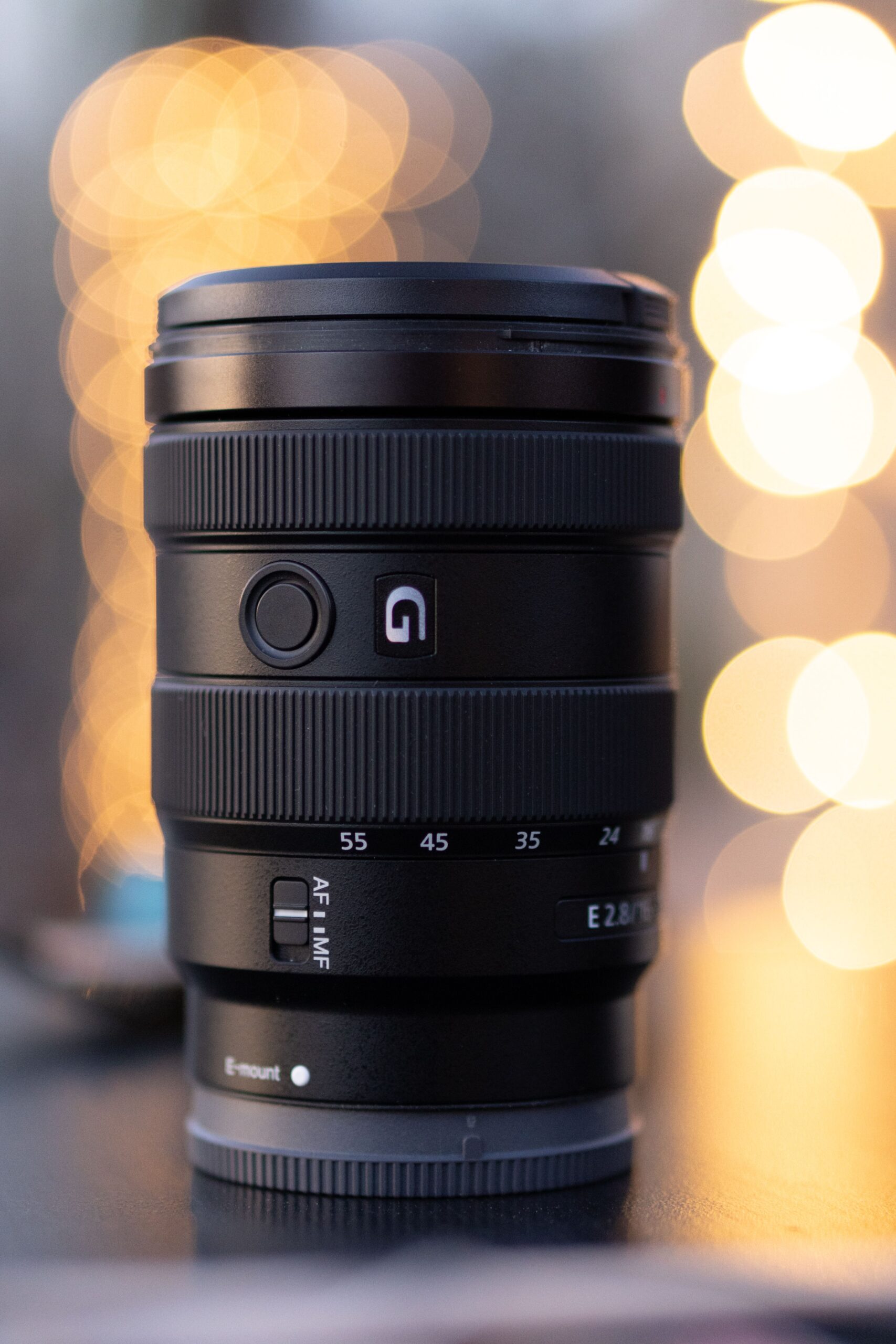
Why It’s Cinematic:
It’s a constant f/4 aperture, which is good for keeping exposure consistent while zooming. But the real star here is Optical SteadyShot (OSS) . For handheld shooting, this stabilization is a huge advantage, helping you get smoother, more stable footage without a bulky rig.
What the Reviews Say:
-
Versatility: The 24-105mm range covers everything from wide environmental shots to tight portraits, making it ideal for documentaries, events, and corporate work.
-
Trade-offs: It’s not as fast or dramatic as an f/2.8 zoom, and it won’t give you the ultra-shallow depth of field of a fast prime. But for sheer practicality, it’s nearly unmatched.
The Bottom Line: This lens is a safe, smart, and highly capable choice for any filmmaker who values flexibility and smooth handheld footage.
4. Sony FE 12-24mm f/2.8 GM – For Dramatic Wide-Angle Storytelling
If you want to add a unique and powerful creative tool to your kit, this G Master ultra-wide zoom is the specialist’s choice.
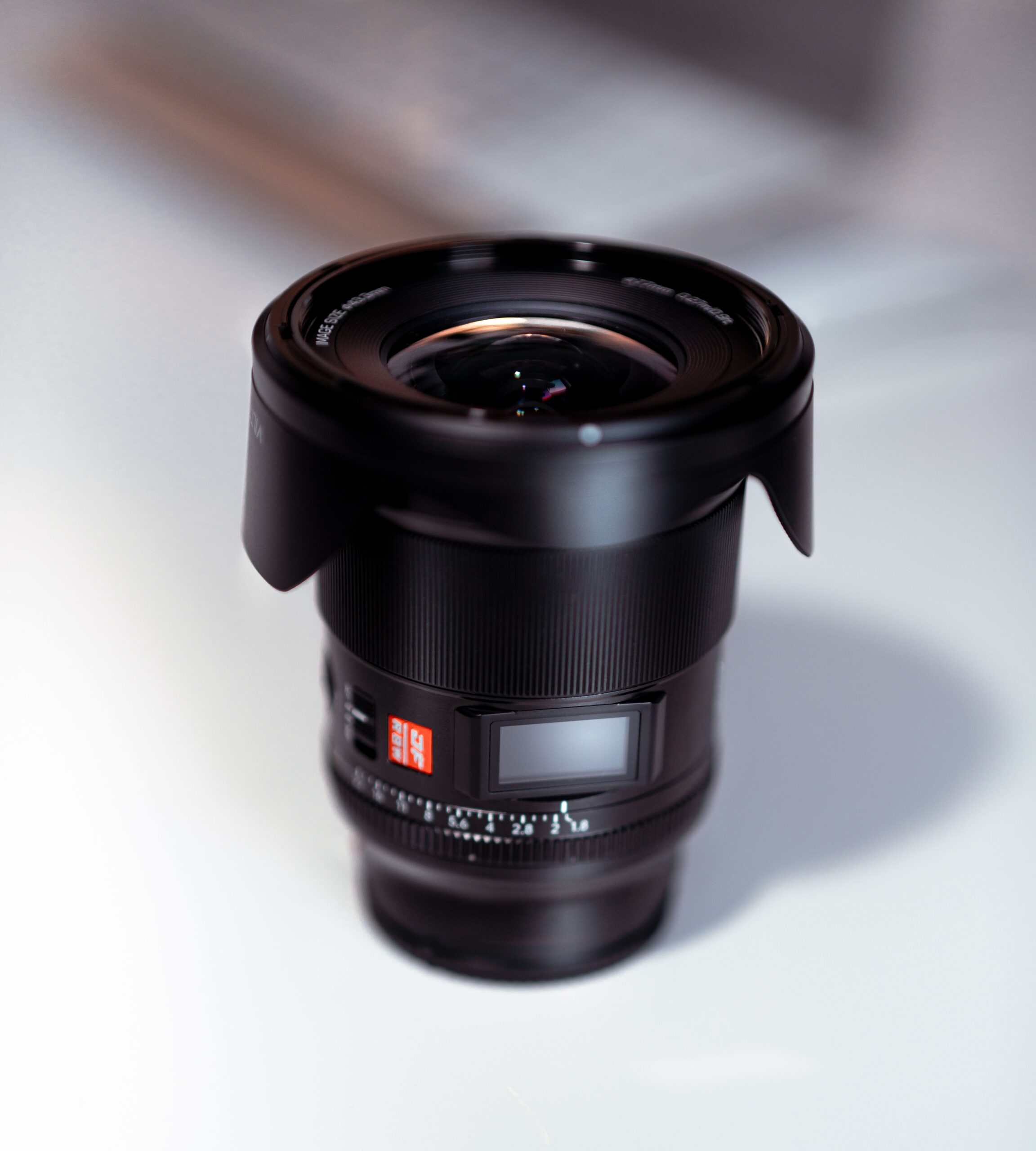
Why It’s Cinematic:
It gives you an incredibly expansive 12mm field of view, perfect for establishing shots, real estate, and creating a dramatic sense of scale. The constant f/2.8 aperture is fast for a wide-angle, making it great in low light and for keeping exposure consistent while zooming.
What the Reviews Say:
-
Creative Impact: This lens is all about making an impact. It exaggerates movement, making even simple gimbal shots feel dynamic and immersive.
-
Trade-offs: It’s a specialty lens. You won’t use it for everything, and it’s a premium investment. But for its specific purpose, it’s top-tier.
The Bottom Line: It’s expensive and specialized, but for filmmakers who need its unique perspective, the Sony FE 12-24mm f/2.8 GM is an indispensable creative tool.
5. Tamron 17-70mm f/2.8 Di III-A VC – The APS-C All-Rounder
For Sony and Fujifilm APS-C shooters, this is another fantastic do-it-all zoom. It’s like the APS-C equivalent of the 24-105mm, but with a faster aperture.
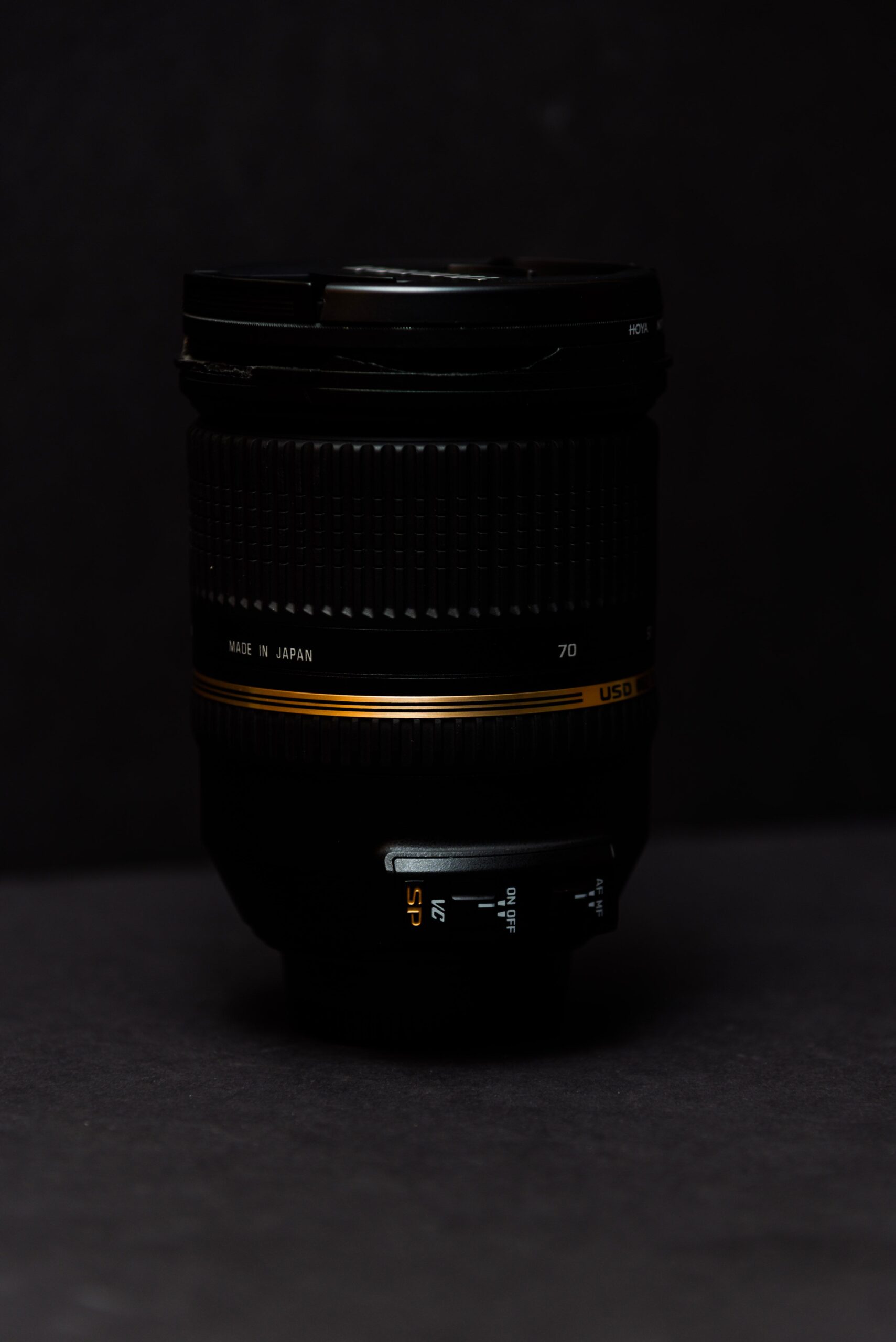
Why It’s Cinematic:
It covers a massive range (from wide to portrait) with a constant f/2.8 aperture, which is great for low light and subject separation. Plus, its built-in Vibration Compensation (VC) works with your camera’s IBIS for very smooth handheld footage.
What the Reviews Say:
-
Versatility and Stabilization: Reviewers highlight its flexibility for travel, documentaries, and run-and-gun shooting. It’s a lens that stays on the camera all day.
-
Trade-offs: It won’t give you quite the same shallow depth of field as an f/1.4 prime, but it’s a powerful all-in-one solution.
The Bottom Line: This is the perfect go-to lens for APS-C shooters who need one lens to handle almost any situation with a cinematic look.
6. Sony 20mm f/1.8 G – The Wide, Fast Prime for Self-Filming
If you’re a solo creator or vlogger who wants a cinematic, wide look, this prime lens is a standout.
Why It’s Cinematic:
The 20mm focal length is wide enough to frame yourself and your environment comfortably, even with digital stabilization cropping in. The f/1.8 aperture is fantastic for low light and gives you a beautifully blurred background for that professional look.
What the Reviews Say:
-
Practicality: It’s small, lightweight, and takes high-quality images. For self-filming, the depth of field at 20mm is forgiving, so you don’t have to worry as much about critical focus while moving.
-
Performance: It’s a G-series lens, so you get Sony’s excellent sharpness and autofocus performance.
The Bottom Line: For vloggers and solo shooters who want a cinematic look straight out of the camera, the 20mm f/1.8 G is an excellent choice.
7. Zhongyi Optics Z ONE FF Cine T1 – The Characterful and Extreme Prime Set
For something a little different, the Zhongyi Optics Z ONE FF Cine lenses are a bold and interesting option. They’re a set of ultra-fast T1 full-frame primes, and they’re not for everyone.
Why It’s Cinematic:
They have a character and a look. At T1, they are incredibly fast, letting you shoot in near-darkness and get an extremely shallow depth of field with a dreamy, soft look wide open. They also feature a 16-blade iris for beautifully round bokeh balls.
What the Reviews Say:
-
Character: The lenses are sharpest when stopped down. Wide open, they have a softness, some halation, and a lack of contrast that many filmmakers find artistic and desirable. The 75mm is considered the sharpest of the set.
-
Trade-offs: They are heavy (3kg each!), making them challenging to use on small camera rigs. The set is also currently limited to 35mm, 50mm, and 75mm, with no wide option.
The Bottom Line: These are specialty lenses for filmmakers who prioritize character and extreme speed over clinical sharpness and convenience. The Zhongyi Z ONE lenses are a bold statement for a specific creative vision.
What’s Your Story?
So, there you have it: my top 7 picks for cinematic lenses in 2026. Whether you’re building a professional cine kit from scratch, looking for that perfect all-rounder, or adding a specialty lens for a unique look, this list should help you find your perfect match.
Remember, the best lens is the one that fits your style and your stories. Happy shooting!
