





The Honest Confession (Relatable & Real)
I’ll be real with you I almost switched teams twice last year.
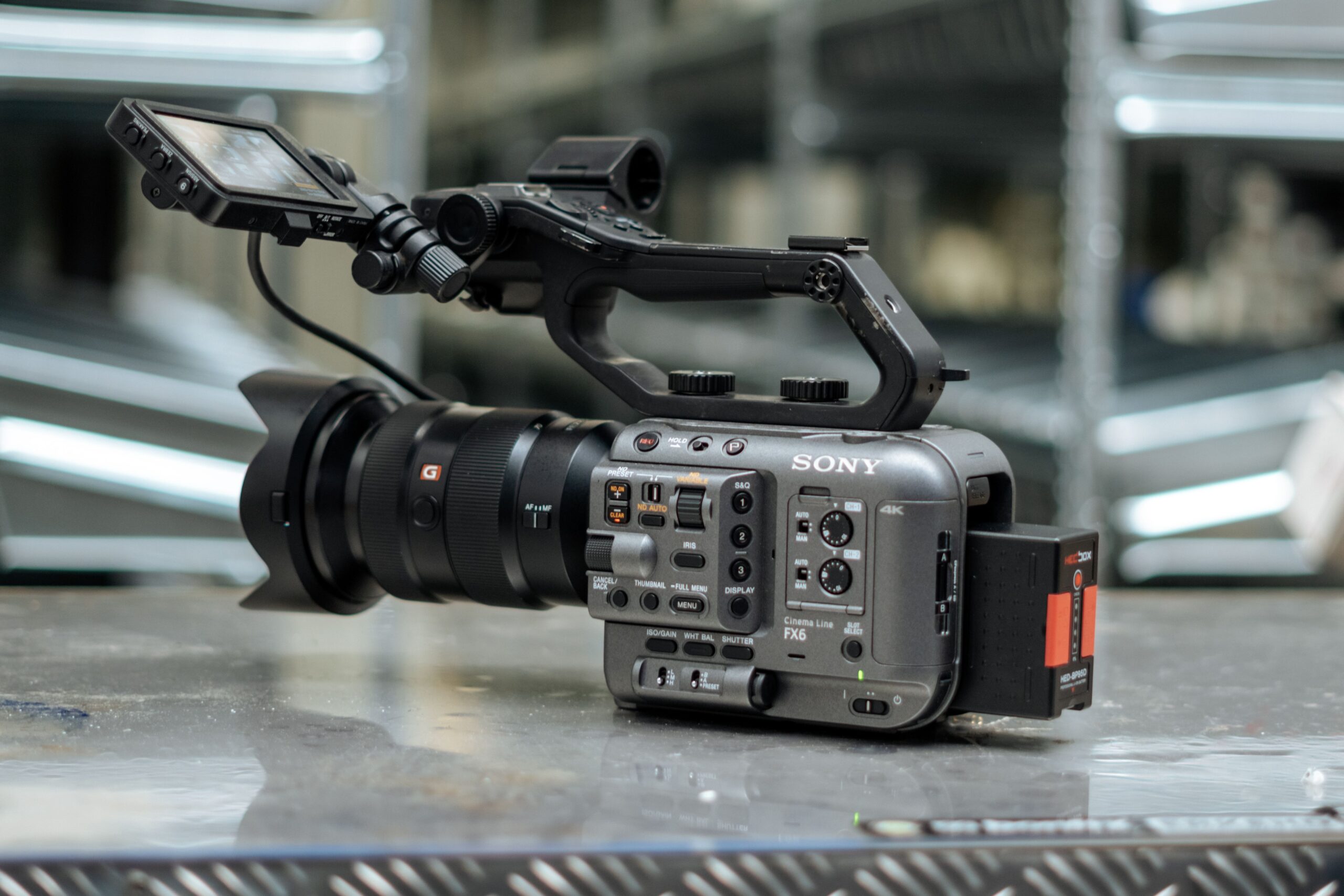
One shoot with my buddy’s Sony FX3 had me questioning every life choice I’d made as a Canon shooter. But then I graded some R5 footage and fell back in love. So here’s the thing: Canon and Sony aren’t competing for “best.” They’re competing for your workflow. And the winner? Depends entirely on how much you hate color grading, how sweaty your shoots get, and whether you enjoy selling a kidney for lenses.
Let’s dive in no spec sheets, no corporate talk. Just the messy, expensive truth.
Canon vs. Sony: A Filmmaker’s Honest Confession (and Why I Almost Switched Twice)
Okay, let’s get one thing out of the way: I’ve been a Canon guy for years. Like, I own the hats kind of guy. But last year, I borrowed my friend’s Sony FX3 for a gig, and I had an actual existential crisis in my living room.
So I’m writing this for anyone else who’s been doom-scrolling B&H reviews at 2 AM, trying to figure out which system won’t make you go broke or lose your mind on set.
Here’s the messy, unpolished truth.
First Impressions? Totally Different Vibes.
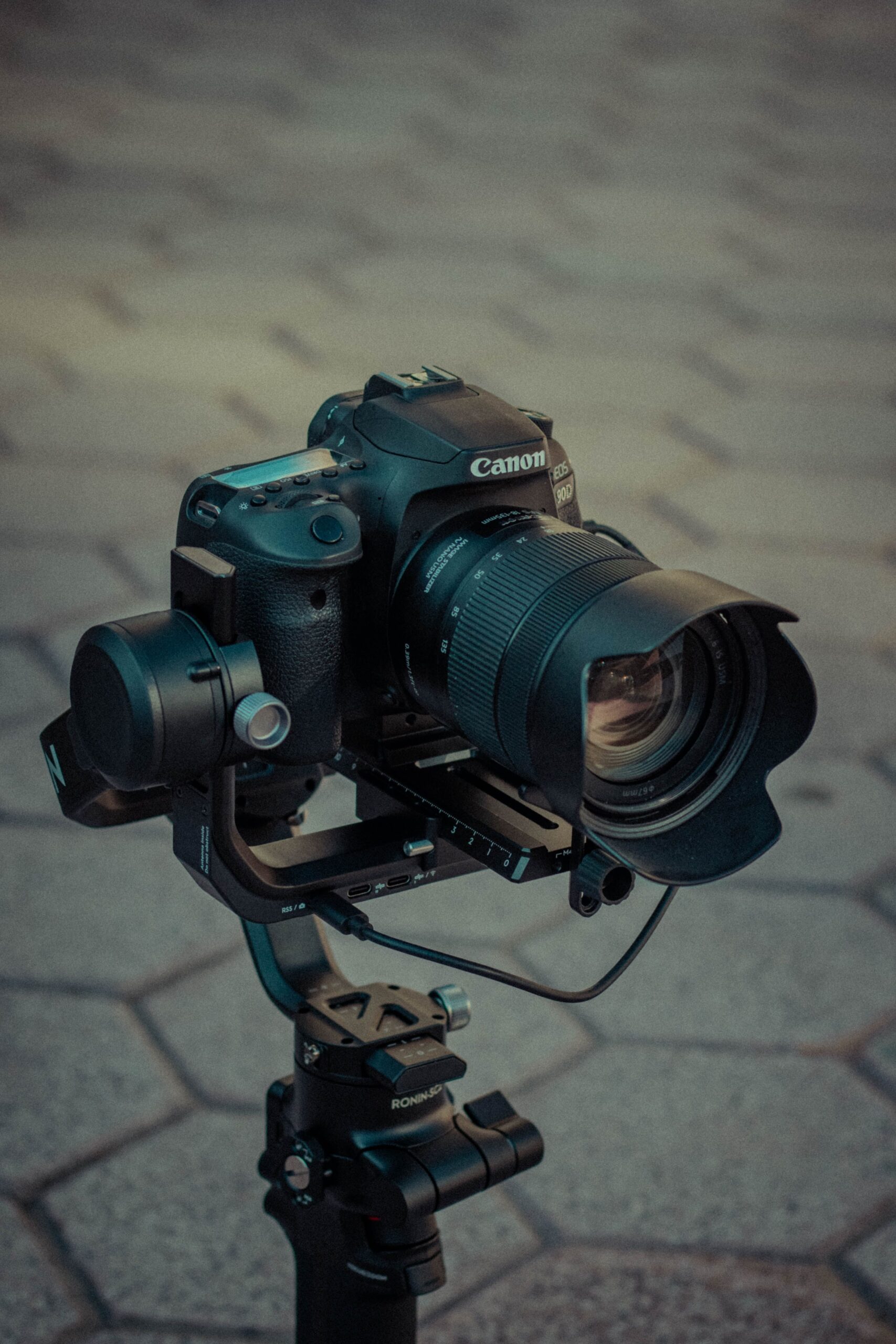
Picking up a Canon mirrorless feels like putting on a broken-in leather jacket. It’s heavy? Yeah, a little. But it fits your hands perfectly. All the buttons are right where your thumb expects them to be. If you learned to shoot on an old Rebel or a 5D, you’ll pick up an R6 Mark II and just know where everything is. It’s comforting.
Sony, on the other hand, feels like holding a sleek piece of futuristic tech. It’s smaller, lighter, and honestly? A little intimidating at first. The menu system used to be a nightmare (we don’t talk about the Sony menu of 2018), but they’ve fixed it a lot. Still, when I first picked up an A7 IV, I spent five minutes just trying to figure out how to change the frame rate. I felt old.
But here’s the kicker: once you get used to Sony’s layout, you realize it’s built for efficiency, not nostalgia.
The “Oh Wow” Moment (Video Quality)
This is where things get juicy.
Canon’s colors? Man. I’m not even going to pretend to be objective here. If you’re shooting people, Canon just gets skin tones. I’ve shot interviews where I didn’t touch the color grade at all just threw a LUT on it and sent it to the client. No complaints. Ever.
When I shoot with Canon Log, especially on the R5, I feel like I have superpowers. I can underexpose like crazy and pull back detail in the shadows without the footage turning into a pixelated mess. That 8K on the R5? Overkill for 90% of what I do, but man, when I need to punch in on a shot in post, it’s like having a zoom lens you didn’t know you had.
But Sony’s dynamic range? It haunts me. When I shot with the FX3, I was shooting into direct sunlight during golden hour. I thought I had blown out the sky completely. Got into DaVinci, pulled the highlights down, and there was texture in the clouds. Actual detail. My jaw dropped.
S-Log3 is like shooting with cheat codes. You get this flat, ugly, gray-looking footage that you think you ruined and then you grade it, and suddenly it looks like a Netflix documentary. The downside? If you don’t know how to grade, Sony’s footage looks like death out of the box. Canon is forgiving. Sony expects you to know what you’re doing.
Autofocus: The “Set It and Forget It” Debate
I’ll be honest I’m lazy. I don’t always want to lug around a follow-focus rig. So I rely on autofocus more than I probably should.
Canon’s Dual Pixel AF II is sticky. Like, superglue sticky. If it locks onto someone’s eye, it’s not letting go until you tell it to. I’ve shot gimbal work at 60fps, running around a wedding venue, and every single shot was tack sharp. It felt like cheating.
Sony’s tracking is faster. Not stickier, but faster. If a subject moves quickly across the frame, Sony picks them up a split second sooner. Their AI is nuts it recognizes animal eyes, bird eyes, car shapes, whatever. But sometimes, I feel like it’s too eager. It’ll jump to something else for a millisecond and then come back. Canon feels more… stubborn. And for narrative work, stubborn is good.
The Boring Stuff That Actually Keeps Me Up at Night
Battery Life:
I hate charging batteries. Hate it. Sony wins here, and it’s not even close. The A7 IV goes forever. Canon? I’m swapping batteries after a couple of hours of heavy shooting. Pack extras. Lots of extras.Overheating:
Okay, let’s address the elephant in the room. Canon got roasted for the R5 overheating when it first came out. You couldn’t shoot 8K for more than 20 minutes without the camera giving you the heat warning of doom. They’ve patched it a bit, but the fear still lingers. On a hot summer day? I’m nervous.Sony’s FX3 has a built-in fan. Actual cooling. I shot an hour-long interview in a stuffy room with no AC, and the thing didn’t even flinch. If you do weddings, events, or long-form stuff, this matters more than megapixels.
Storage:
Both will eat your wallet. But Canon’s 8K footage? Forget about it. I filled up a 128GB CFexpress card in 12 minutes once. Twelve. I’m not even exaggerating. Sony’s codecs are more efficient, especially if you shoot in XAVC S. You get more footage per GB, and your wallet will thank you.
Lenses: The Real Heartbreak
I love Canon RF glass. The 28-70mm f/2? Gorgeous. But it costs as much as a used car. And the RF mount is locked down tighter than Fort Knox no third-party lenses unless you use an adapter.
Sony? You have options. So many options. You can grab a cheap, sharp Sigma lens for half the price of Sony’s native glass. Or you can go all out with G-Master lenses that are optically perfect. The freedom to choose, based on your budget, is a huge deal when you’re starting out.
So Who Actually Wins?
I’m going to give you the most annoying answer possible: it depends.
If you’re a solo shooter who wants to post straight to social media without touching color grading? Get a Canon. Seriously. You’ll save hours.
If you’re a color nerd who loves spending time in Resolve, wants every ounce of dynamic range, and shoots in hot environments for hours? Sony all day.
Me? I keep both. And my bank account hates me for it.
My Hot Take for You
Stop watching spec comparison videos. Go to a camera store. Hold them both. Shoot something in the parking lot. Upload it to your computer. See which one makes you feel like a filmmaker.
That’s the right camera.
The Great Video Debate: DSLR vs. Mirrorless – Which One Actually Wins in 2026?
Let’s be honest: buying a camera for video in 2026 feels a lot like choosing a favorite child. It’s stressful, expensive, and everyone has a strong opinion about it.
I’ve been on both sides of this fence. I started my filmmaking journey lugging around a heavy DSLR that made my back ache, and now I shoot primarily on a sleek mirrorless body that feels like a toy but costs as much as a used car.
If you are sitting there, credit card in hand, paralyzed by the specs on B&H Photo, let’s take a breath. We aren’t just going to look at megapixels. We are going to look at the soul of these cameras and the annoying technical realities like overheating and battery life that ruin shoots.
Here is the unvarnished, humanized truth about DSLRs vs. Mirrorless for video.
The Old Guard: The DSLR (Digital Single-Lens Reflex)
Let’s get one thing straight. When I say “DSLR” for video, I’m mostly talking about the legends the Canon 5D Mark IV, the Nikon D850, and the heavy hitters that defined YouTube in the 2010s.
The Good Side (Why I still love them):
The Optical Viewfinder (OVF): This might sound crazy for video, but looking through a glass viewfinder that shows actual light, not a pixelated screen, is a visceral experience. It doesn’t drain the battery, and there is zero lag. In bright sunlight, it is unbeatable.
The Battery Life (The Marathon Runner): This is the DSLR’s knockout punch. I have shot a 45-minute interview on a single Canon battery and still had 70% left. These cameras are power sippers. You can shoot an entire wedding day with two batteries. No stress, no panic.
The “Cheap” Glass: Because these cameras have been around forever, the used market for EF or F-mount lenses is vast and affordable. You can get cinema-quality glass for a fraction of the price.
The Bad Side (The Frustrations):
The “Chunky” Factor: These things are bricks. When you rig them out with a cage, an external monitor, and a mic, you are carrying 5+ pounds of gear. My shoulder still remembers the pain.
The Autofocus Nightmare: If you are a solo shooter who relies on face-tracking, beware. DSLR autofocus in video is slow, noisy (you can hear the lens motor clicking on your Rode mic), and prone to “hunting” where the lens zooms in and out trying to find your eye. It makes you want to pull your hair out.
The Crop Factor: Unless you are buying the super-expensive 1D series, most DSLRs crop heavily into the sensor when you switch to 4K. That beautiful wide-angle lens you bought? It just turned into a standard lens.
The 30-Minute Limit: This is the silent killer. Many older DSLRs stop recording at 29:59. You have to hit record again, and you lose a few seconds of the speech/podcast. It is infuriating.
The New Kid: Mirrorless Cameras
Think Sony A7S III, Canon R6 Mark II, Panasonic Lumix S5, and the Nikon Z series. These are the cameras that have made DSLRs obsolete in the mainstream.
The Good Side (The Hype is Real):
The Autofocus (The Magician): This is the reason I switched. The AI-powered autofocus on modern mirrorless cameras is literal witchcraft. It locks onto the eye of a subject and sticks to it like glue, even if they turn their back to you and spin around. For vlogging or run-and-gun documentary work, this saves your footage 100% of the time.
“What You See Is What You Get”: The Electronic Viewfinder (EVF) and screen show you a live preview of your exposure. You can turn the dial, and the screen gets brighter or darker in real-time. You never “guess” the exposure again.
The Resolution: Most mid-range mirrorless cameras shoot oversampled 4K or even 6K/8K. The sharpness is clinical. You can crop into the image heavily and still have a crisp 1080p export.
Internal Stabilization (IBIS): Mirrorless bodies have moving sensors that counteract your shaky hands. You can basically walk without a gimbal and get usable footage (provided you have a steady gait).
The Bad Side (The Reality Check):
The Overheating Scare: Here is the elephant in the room. I took a Sony A7 IV to shoot a 30-minute play in 4K 60p. At minute 22, the thermometer icon popped up and the camera shut down. This is physics cramming a huge processor into a tiny metal body means heat has nowhere to go. It is getting better, but if you are shooting an outdoor summer wedding, you must have a fan attachment or drop the frame rate.
The Battery Vampire: I love the EVF, but that tiny screen is drinking juice like it’s a milkshake. If you have a shoot day, you need 4-5 batteries. You are swapping batteries every hour and a half. You cannot “set it and forget it.”
The Lens Price (The Wallet Punch): The new “Z” and “RF” mount lenses are stunningly sharp. They also cost a kidney. While the camera body is cheap, the native glass is outrageous. (Though, adapters are a workaround).
The Rolling Shutter (“Jello” effect): Because mirrorless cameras read the sensor so fast, if you whip the camera side to side, the image wobbles like jello. It’s less prominent on the A9 or Z8, but on cheap models? It’s seasick city.
Now tell me I’m wrong. Or tell me I’m right. Better yet tell me which camera you’re leaning toward and why. I love a good gear debate. No judgment here. Just a bunch of people who love shooting stuff.
Drop a comment or shoot me a message. Let’s nerd out together.