



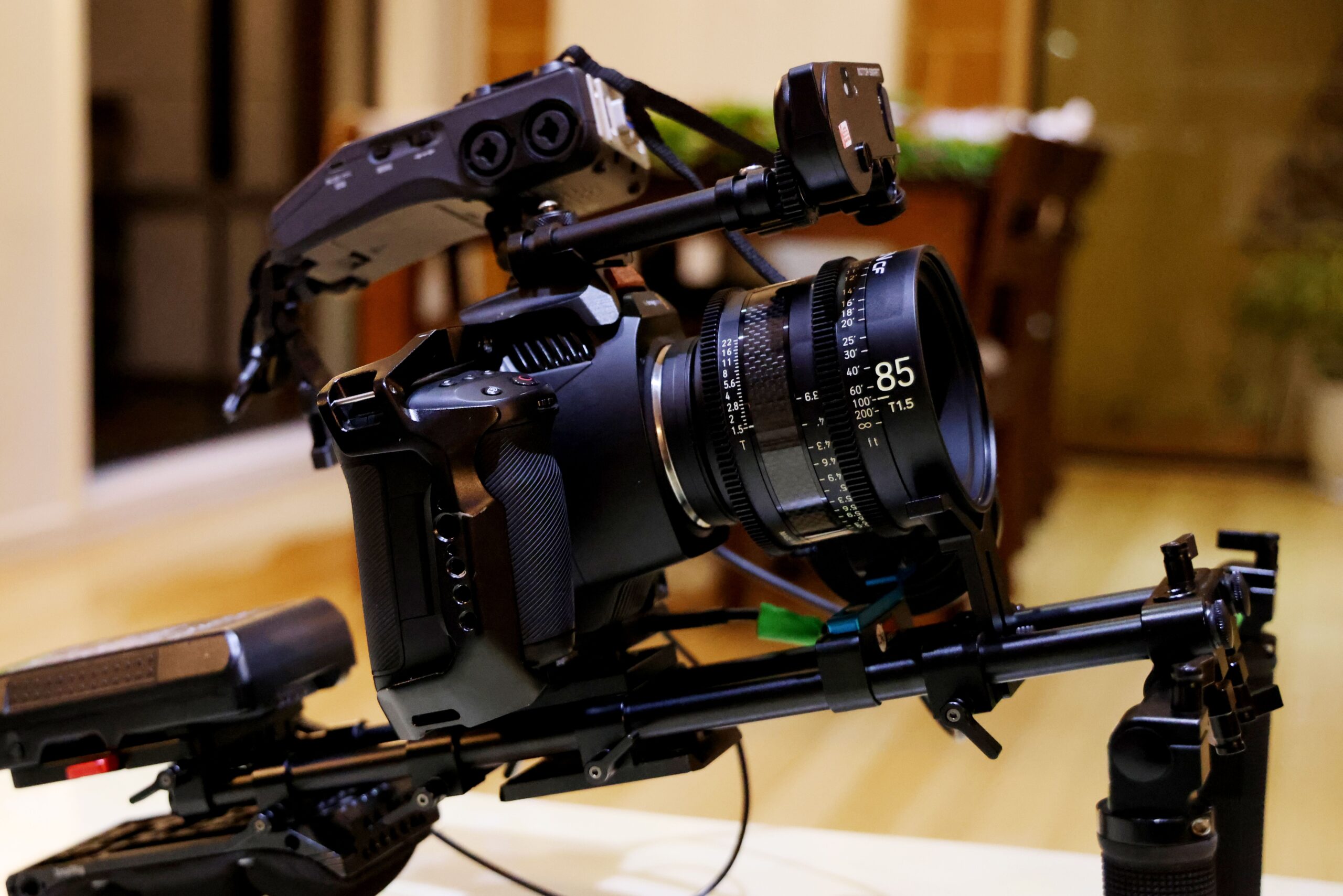
Let’s get there: we’ve all seen those jaw-dropping travel videos or indie film trailers and thought, “Well, I guess I need to sell a kidney to get that look.”
Here’s the good news: you don’t.
The days when cinematic video required a $10,000 camera are over. Today, some incredibly capable cameras exist at price points that won’t make your credit card weep. But here’s the thing nobody tells you the body price is just the beginning. By the time you add batteries, memory cards, and lenses, that “$1,000 camera” suddenly becomes a “$2,000 system.”
I’ve spent way too many hours obsessing over specs and testing gear, and here’s my honest, boots-on-the-ground breakdown of what these cameras actually cost to run, how they perform in the real world, and what nobody mentions in the glossy marketing videos.
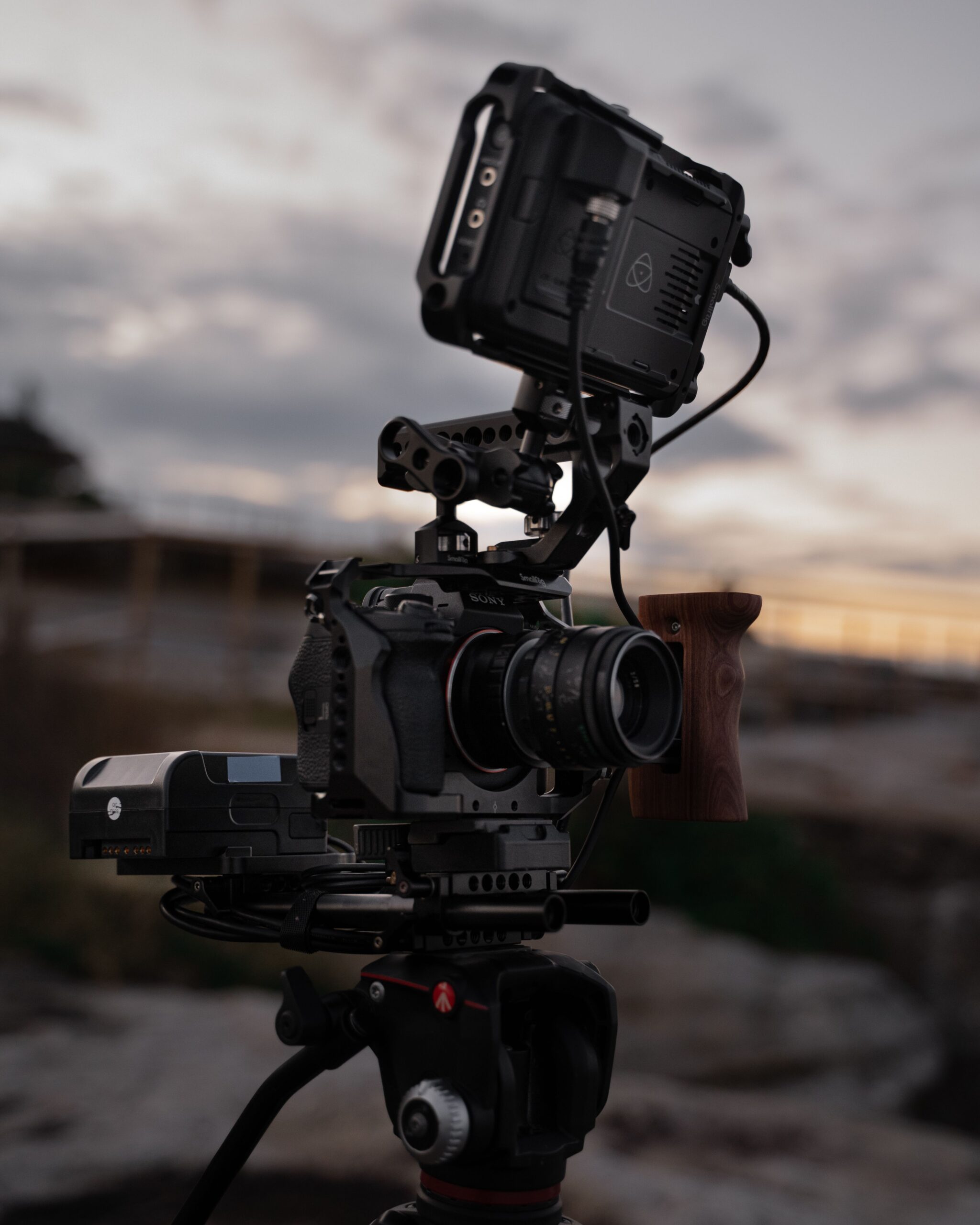
What Actually Makes a Camera “Cinematic”?
Before we dive into specific cameras, let’s clear something up. You don’t need a RED or an ARRI to shoot cinematic footage. What you need is a camera that gives you three things:
10-bit color depth or better This is non-negotiable if you want to grade your footage without it falling apart. 8-bit is fine for casual stuff, but the moment you push those colors in post, you’ll see banding and artifacts that scream “amateur.”
A log profile Log gamma preserves highlight and shadow detail, giving you that dynamic range that makes footage look “film-like.” S-Log, V-Log, C-Log they all do the same basic thing: flatten the image so you can stretch it later.
Interchangeable lenses The lens matters more than the body for image quality. Period. A kit lens will get you started, but upgrading your glass is where the magic actually happens.
Now, let’s get to the good stuff the cameras.
The Top Picks
1. Sony FX30 : The Indie Filmmaker’s Sweet Spot
The Body: Sony’s budget cinema camera is an APS-C powerhouse. It shoots 4K at up to 60fps in 10-bit 4:2:2 internally, which means you’re getting professional-grade color depth without needing an external recorder. S-Cinetone gives you gorgeous out-of-camera color that needs almost no grading, and S-Log3 is there when you want to push things further. The autofocus is Sony’s best stick it on a gimbal and it’ll track a subject’s eye without breaking a sweat.
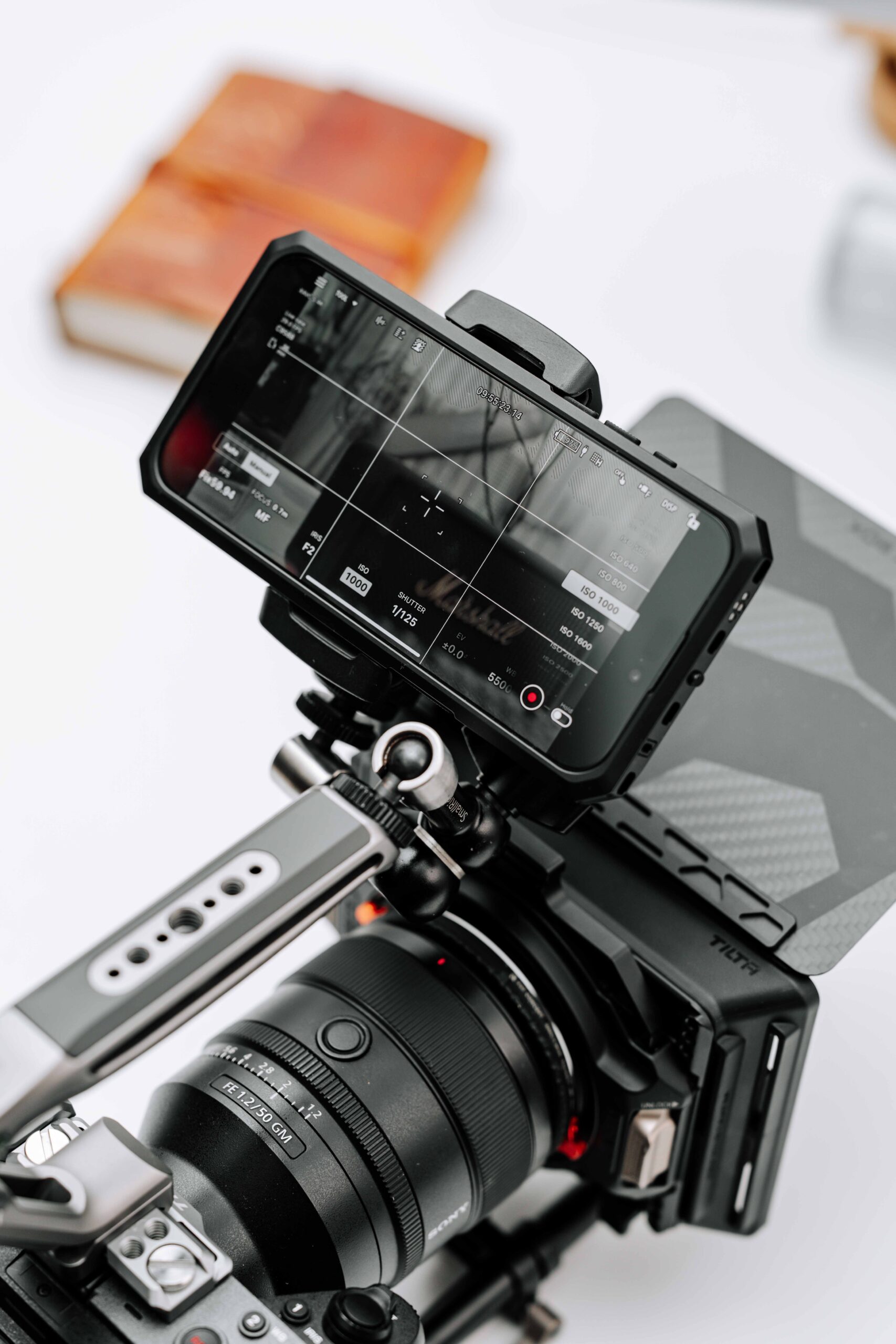
Real-World Shooting: The APS-C sensor means lenses are cheaper than full-frame equivalents, and the IBIS (in-body image stabilization) actually works for handheld work. You can shoot 4K 120fps for slow motion, which is rare at this price point. Rolling shutter is well-controlled.
Battery Reality: The NP-FZ100 batteries last about 1.5–2 hours of continuous shooting. You’ll want at least two spares for a full day. That’s an extra cost people forget.
Memory Card Demands: Dual SD card slots, but here’s the catch to shoot 4K 10-bit, you need V90 cards. Those aren’t cheap. A 128GB V90 card runs significantly more than a standard SD card. You can use V60 for lower bitrates, but if you want the good stuff, budget for premium cards.
What Nobody Tells You: No built-in ND filters. You’ll need to screw one on or buy a variable ND, which adds $100–$200 and another layer of glass in front of your lens. The menu system is Sony’s traditional labyrinth you’ll spend a week just finding settings. Also, the crop in 4K 120fps is noticeable, so factor that into your lens choices.
2. Blackmagic Pocket Cinema Camera 4K : The Color Scientist’s Dream
The Body: This camera shoots 12-bit Blackmagic RAW and ProRes internally. That’s not a typo 12-bit, cinema-grade codecs in a sub-$1,500 body. The dual native ISO (400 and 3200) gives you clean low-light performance that rivals cameras twice the price. The Blackmagic color science is genuinely gorgeous straight out of camera.
Real-World Shooting: The image quality is stunning. You can push and pull shadows and highlights in post without the footage breaking. The 5-inch touchscreen is bright and responsive. It shoots 4K at 60fps and 1080p at 120fps for slow motion.
Battery Reality: Here’s where the pain starts. The LP-E6 batteries (Canon-style) last about 45–60 minutes. You’ll need at least four to get through a shoot day. And because the camera drains power like crazy, many users rig it with an external V-mount battery system, which adds weight, cost, and bulk.
Memory Card Demands: You’re shooting RAW or ProRes, so file sizes are enormous. A 128GB card gives you maybe 25–30 minutes of 4K RAW footage. You’ll need multiple cards and a robust backup system. The camera uses CFast 2.0 cards or SD UHS-II—CFast is expensive, so most people use SD cards and accept slightly lower bitrates.
What Nobody Tells You: Autofocus is basically useless—it’s contrast-detect and hunts constantly. You’re manually focusing everything. There’s no IBIS, so you absolutely need a tripod or gimbal for stable shots. The camera is also thick and heavy; it’s not a run-and-gun body. And the battery door is notoriously flimsy—many users baby theirs.
3. Panasonic Lumix S5 II: Full-Frame Without the Full-Frame Price
The Body: This gives you a full-frame sensor (shallow depth of field, better low light) with 6K open-gate recording (shoot in a tall format and crop to whatever aspect ratio you want in post), 4K 60p 10-bit, and V-Log for grading. The phase-detect autofocus finally fixes the issue Panasonic had with earlier cameras.
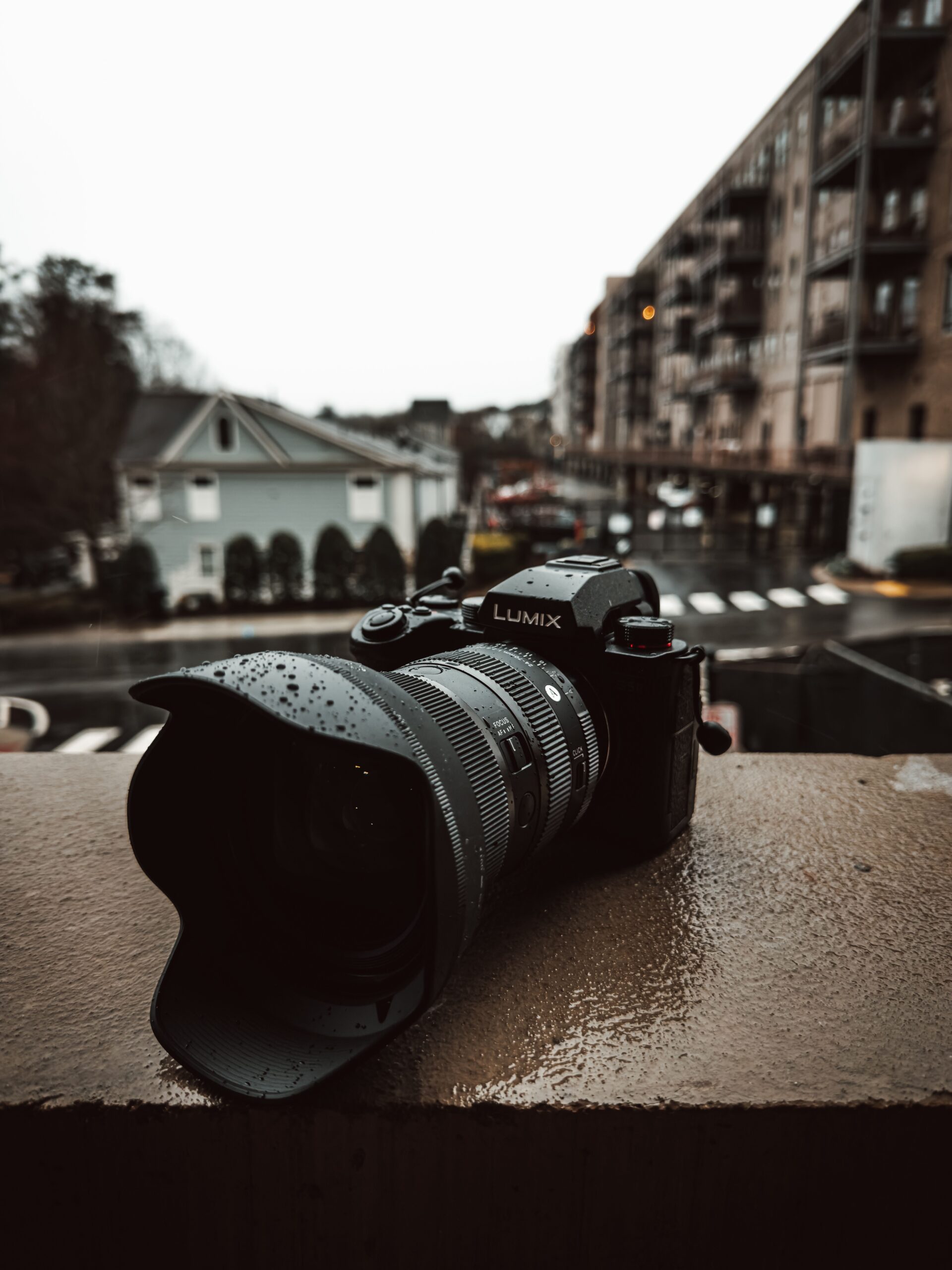
Real-World Shooting: The IBIS is among the best in the business you can shoot handheld and it looks like you’re on a gimbal. The full-frame sensor gives you that cinematic separation between subject and background. It’s a hybrid shooter too, so if you also need a capable stills camera, this checks both boxes.
Battery Reality: The DMW-BLK22 batteries last about 1.5 hours of video shooting. Two spares will get you through a day. The battery grip is available but adds cost and bulk.
Memory Card Demands: Dual SD card slots, both UHS-II compatible. For 4K 10-bit, you’ll want V60 cards at minimum, V90 for the higher bitrate modes. The camera also has a fan built in, which means no overheating a huge plus for long shoots.
What Nobody Tells You: The full-frame lenses are expensive. L-mount glass isn’t as affordable as Sony E-mount or Canon EF. And while the autofocus is much improved, it’s still not Sony-level sticky. The body is also larger than the APS-C options something to consider if you’re shooting handheld all day.
4. Canon EOS R7: The APS-C Hybrid That Just Works
The Body: Canon’s Dual Pixel autofocus is legendary, and the R7 brings that to a budget-friendly APS-C body. It shoots 4K 60p 10-bit with C-Log3. The IBIS works with Canon’s lens IS for incredibly stable handheld shots. Weather sealing means you can shoot in less-than-ideal conditions.
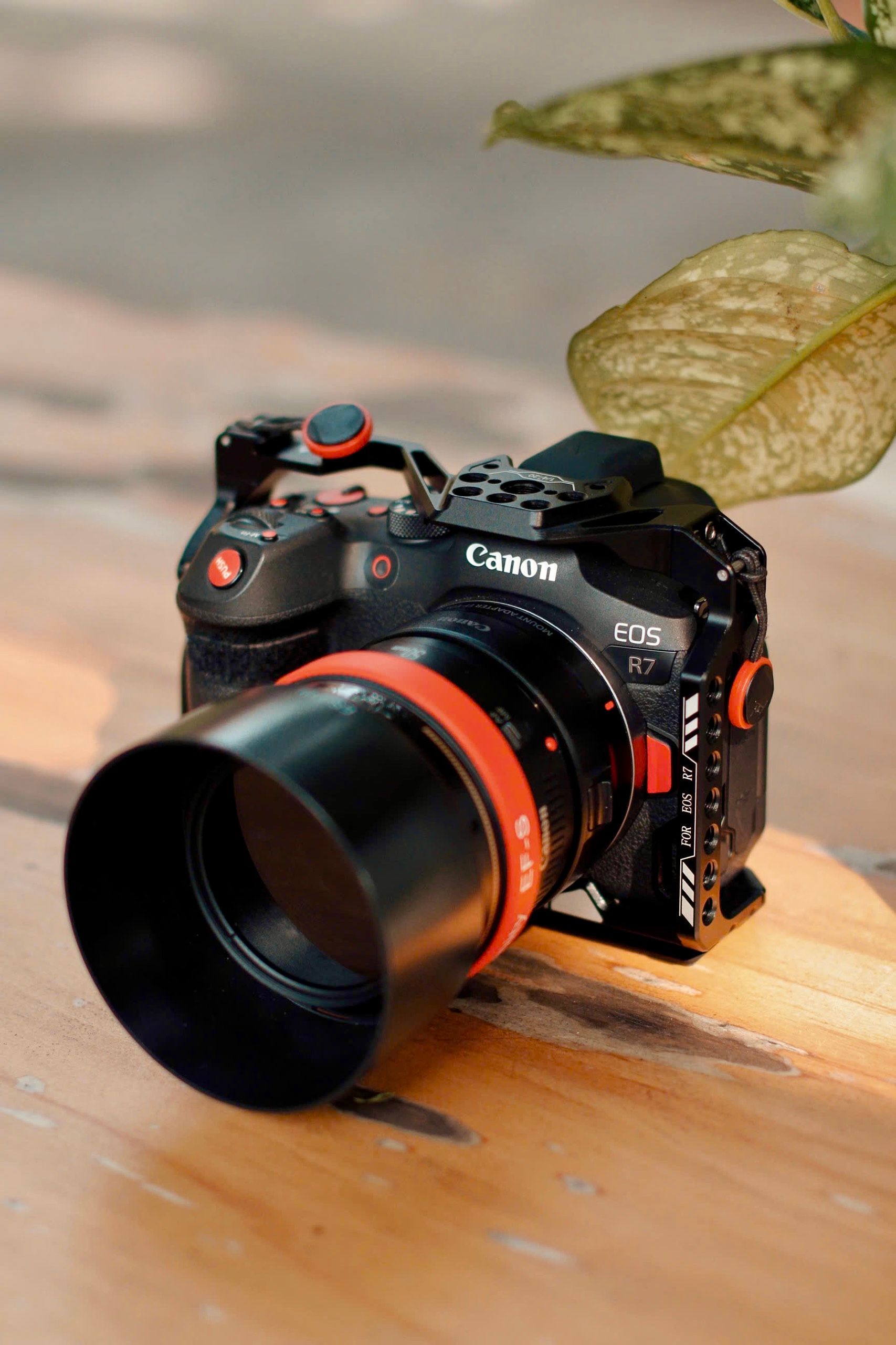
Real-World Shooting: The autofocus tracks subjects like a dream people, animals, cars, you name it. The 32.5MP sensor oversamples from a higher resolution to give you sharp 4K. The flip-out screen is perfect for vlogging or monitoring from awkward angles.
Battery Reality: The LP-E6NH batteries last about 1.5 hours. It uses the same battery family as many Canon DSLRs, so if you’re coming from that ecosystem, you might already have spares.
Memory Card Demands: Dual SD card slots with UHS-II compatibility. You’ll need fast cards for the higher bitrate modes. One card for recording, one for backup a professional touch.
What Nobody Tells You: Some 4K modes crop the sensor, which is annoying for wide shots. The RF lens ecosystem is expensive adapting EF lenses is the budget workaround, but that adds cost and bulk. The rolling shutter in certain modes is noticeable if you pan quickly. And C-Log3 requires grading; it’s not an out-of-camera “look.”
5. Fujifilm X-H2S: The Action Specialist
The Body: This has a stacked APS-C sensor that reduces rolling shutter that jelly effect when you pan quickly to almost nothing. It shoots 4K at 120fps in 10-bit with F-Log2 and even internal ProRes. It’s built like a tank.
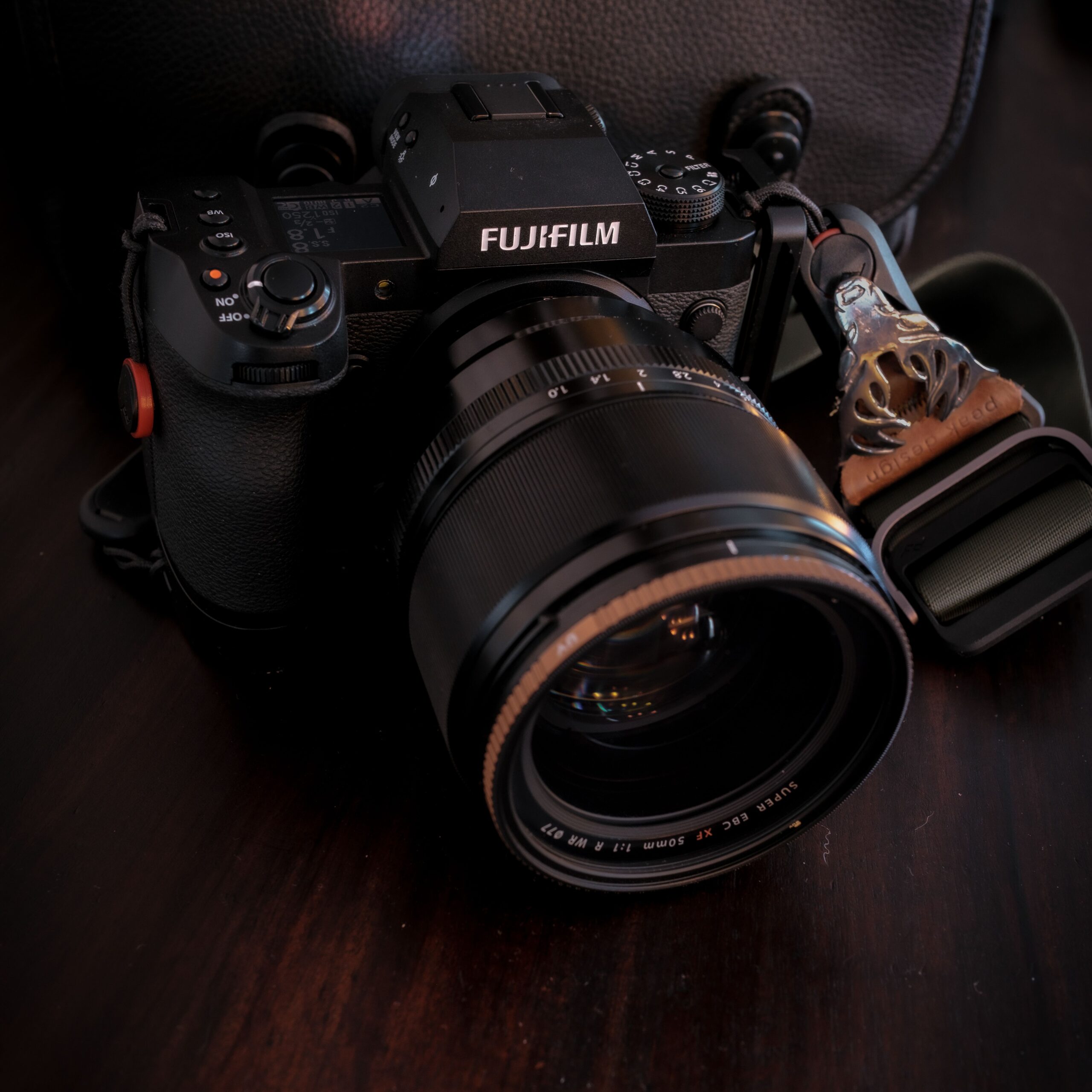
Real-World Shooting: If you’re shooting fast action, sports, or handheld run-and-gun, this is the camera. The autofocus is excellent Fujifilm has caught up to Sony in this department. The burst speeds are insane if you also shoot stills. The sensor readout is fast enough that electronic shutter is usable without jello effects.
Battery Reality: The NP-W235 batteries last about 1.5 hours. The camera has a battery grip option for extended shoots. The USB-C port supports power delivery, so you can run it off a power bank in a pinch.
Memory Card Demands: Dual card slots one CFexpress Type B and one SD UHS-II. CFexpress is expensive, but you need it for the highest bitrate modes. The camera can record ProRes internally, which requires CFexpress for the higher resolutions.
What Nobody Tells You: It’s expensive pushing the boundary of “budget.” The CFexpress cards are a significant extra cost. The menu system is deeper than most users need. And while the F-Log2 is great, it requires more careful exposure than some other log profiles. The grip is small for larger hands.
6. Fujifilm X-S20: The Color-First Camera
The Body: Fujifilm’s color science is famous for a reason. The X-S20 shoots 6K at 30fps and 4K at 60fps with F-Log2 for grading if you need it. But honestly, the real magic is the film simulations you can get a cinematic look straight out of camera with zero grading.
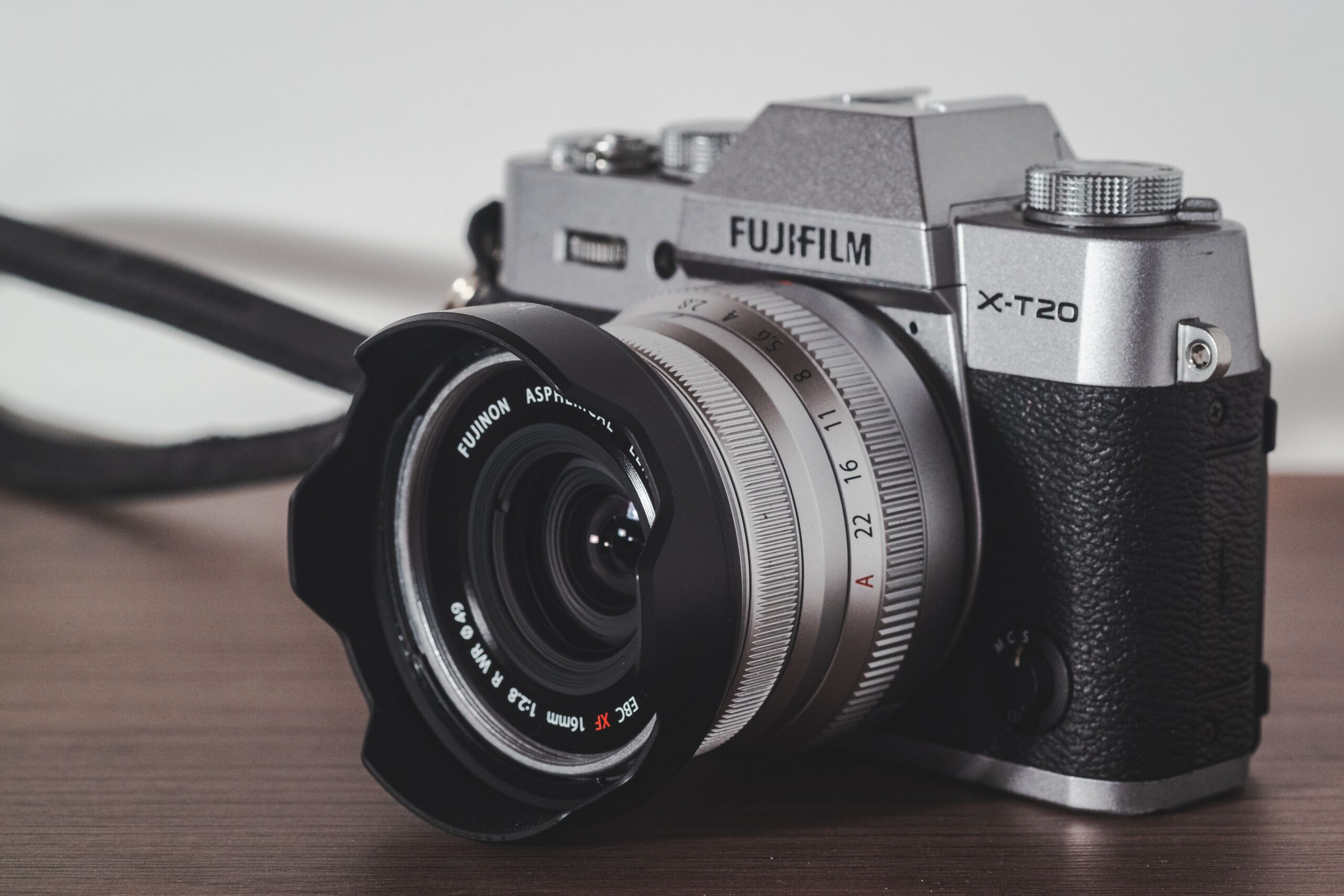
Real-World Shooting: It’s lightweight, has good IBIS, and is a joy to use for run-and-gun shooting. The smaller sensor means cheaper lenses too. The fully articulating screen makes it a vlogging favorite. The autofocus has improved dramatically it’s reliable for most scenarios.
Battery Reality: The NP-W235 batteries (same as the X-H2S) last a solid 2+ hours. The camera is power-efficient. Three batteries will get you through a full production day.
Memory Card Demands: Single SD card slot, UHS-II. For the highest bitrate modes, you’ll want V60 cards. No backup slot, so you’re trusting one card with everything a risk for professional work.
What Nobody Tells You: Single card slot is a dealbreaker for some professionals. The buffer fills quickly when shooting bursts, though that’s less relevant for video. It’s not weather-sealed, so you’ll want to be careful in rain or dust. The 6K recording is great, but the 4K is oversampled and looks fantastic.
7. Sony ZV-E10 II: The Creator’s Compact
The Body: The ZV-E10 II shoots UHD 4K at 60fps with Sony’s excellent autofocus and S-Log3. It’s lightweight, has a fully articulating screen, and features like Product Showcase mode make it perfect for reviews and tutorials.
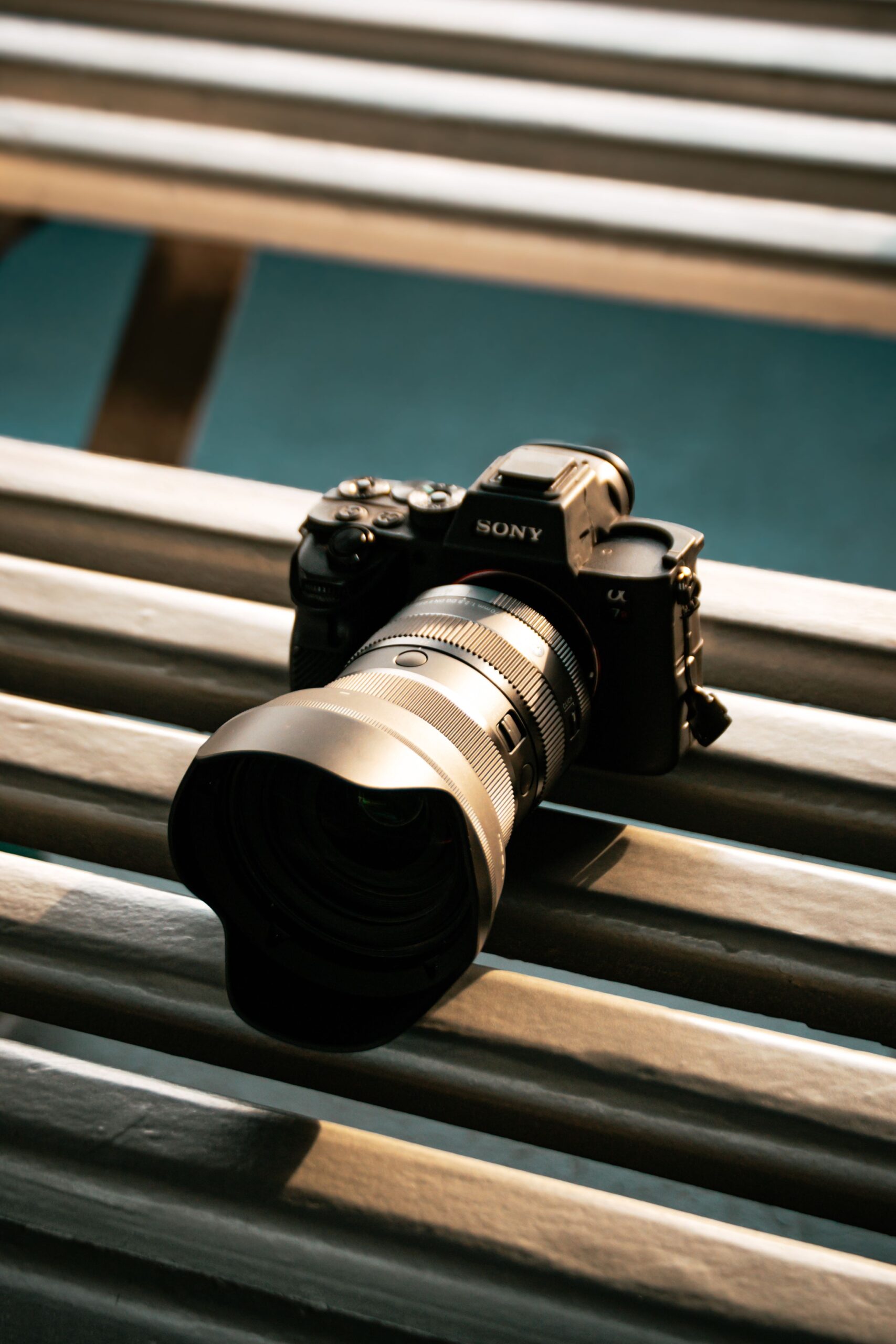
Real-World Shooting: It’s a tiny camera that punches above its weight. The autofocus is Sony’s best eye tracking, face tracking, and subject tracking all work beautifully. The grip is comfortable for its size. The microphone setup is decent for vlogging (3-capsule, directional).
Battery Reality: The NP-FZ100 batteries (same as the FX30) last about 1.5 hours. The smaller body doesn’t have room for a larger battery. You’ll need spares for day-long shoots.
Memory Card Demands: Single SD card slot, UHS-II compatible. V60 cards for 4K, V90 for the highest bitrates. No backup slot means carry multiple cards and swap frequently.
What Nobody Tells You: No viewfinder you’re shooting entirely off the screen. The small sensor means it’s not a low-light monster. Rolling shutter is noticeable in fast pans. The plastic build feels less premium than the FX30. The overheating warnings come sooner than the FX30 in hot weather it doesn’t have the same cooling system.
8. Canon EOS R10: The Beginner’s Workhorse
The Body: Canon’s budget mirrorless offering is beginner-friendly without being underpowered. It shoots 4K with Dual Pixel AF and Canon’s lovely color science. The interface is intuitive and menu system is straightforward.
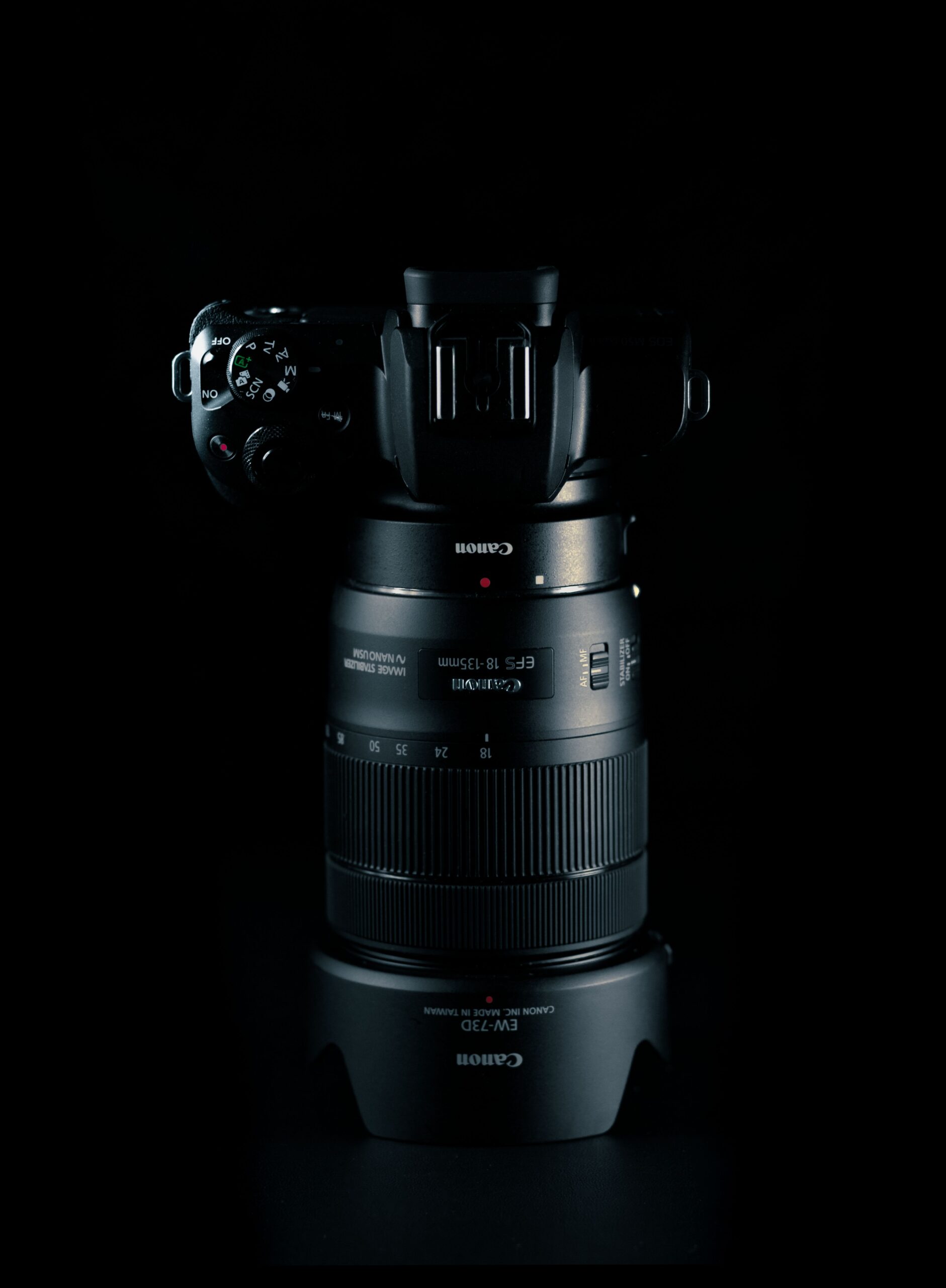
Real-World Shooting: The autofocus is fantastic Canon’s Dual Pixel is reliable and fast. It’s a smaller body that’s easy to travel with. The 4K is oversampled from a higher resolution, giving you sharp footage. The camera feels solid in hand, not plasticky.
Battery Reality: The LP-E17 batteries are smaller and last about 1 hour of continuous video. This is a real limitation you’ll want at least three or four for a full day. The smaller battery also means the camera can’t sustain long record times.
Memory Card Demands: Single SD card slot, UHS-II. You’ll want fast cards for 4K. No dual slot is a compromise at this price point.
What Nobody Tells You: The crop in some 4K modes is significant 4K 60fps has a heavy crop, so wide shots become medium shots. The battery life is genuinely poor for video work. The lack of a log profile is limiting if you want to grade heavily. It’s a hybrid that leans more toward stills than video.
9. Panasonic Lumix G100: The Stabilization Champion
The Body: The G100 shoots 4K at 24fps or 30fps and has fantastic image stabilization. It also has solid built-in audio (OZO Audio by Nokia), which matters more than you’d think for vlogging and run-and-gun.
Real-World Shooting: This is the cheap option that doesn’t feel cheap. The stabilization is impressive for the price you can shoot handheld and get smooth footage. The microphone system is genuinely good for a built-in solution. It’s incredibly lightweight and compact.
Battery Reality: The DMW-BLC12 batteries last about 1 hour. The small camera means a small battery. Three spares minimum for a full shoot day.
Memory Card Demands: Single SD card slot, UHS-I. You don’t need the fastest cards for this camera U3 cards work fine.
What Nobody Tells You: Heavy crop in 4K mode. Your shots will be tighter than you expect, so it’s not great for wide-angle or indoor scenes. The autofocus is contrast-detect and hunts in video. No headphone jack for monitoring audio. The plastic build is cheap-feeling.
10. Nikon Z30: The Vlogging Specialist
The Body: Nikon’s entry-level video camera shoots 4K UHD at 30fps and 1080p at 120fps for slow motion. It’s designed specifically with content creators in mind. Good autofocus, flip-out screen, and a compact size.
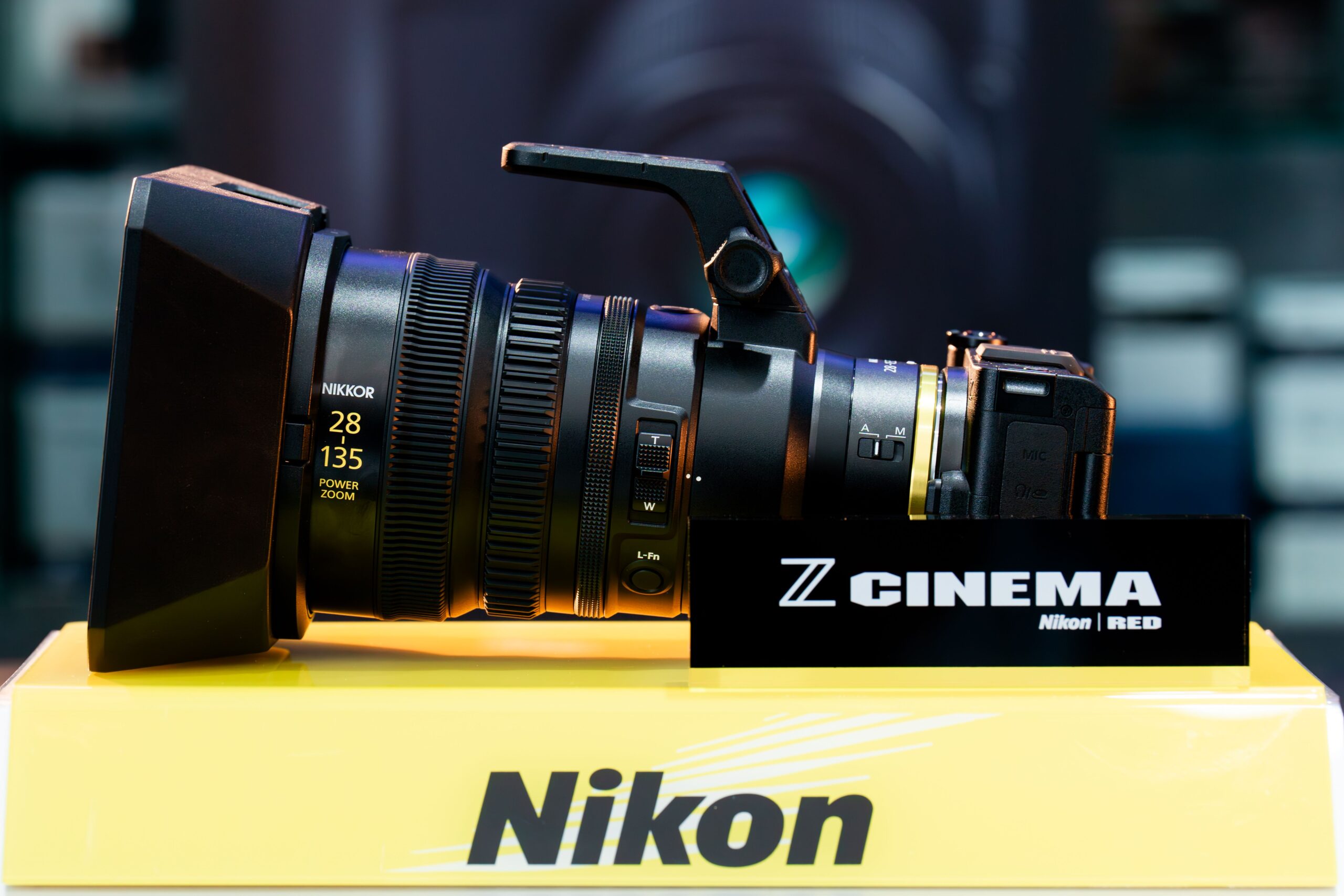
Real-World Shooting: The autofocus is Nikon’s new phase-detect system it’s snappy and reliable. The camera is tiny and easy to handle. The 4K footage is sharp, and the color science is pleasant. The microphone preamps are good for a camera this size.
Battery Reality: The EN-EL25 batteries last about 1.5 hours. Two spares will cover most days. The camera can be powered via USB-C for extended shooting.
Memory Card Demands: Single SD card slot, UHS-I. You don’t need the fastest cards for this camera. A 128GB card will give you several hours of footage.
What Nobody Tells You: No built-in image stabilization you’re relying on lens-based stabilization or a gimbal. The 4K is 30fps max, no 60fps. The sensor is smaller than APS-C (it’s DX, which is Nikon’s APS-C). The flip-out screen is nice but the camera’s size makes it awkward to operate with larger lenses.
The Honest Reality: What the Marketing Won’t Tell You
Let’s talk about what you’re actually getting into.
The Battery Reality: Nobody mentions that every camera on this list will need at least two extra batteries. Budget cameras have small batteries. That’s just the math. A full day of run-and-gun shooting? You need at least three batteries, and for the Blackmagic, maybe five. That’s an extra $150–$300 you didn’t plan for.
The Memory Card Shocker: For 4K 10-bit recording, you need V90 SD cards. Those cost significantly more than standard cards. A 128GB V90 card will get you about 45 minutes of high-bitrate footage. You’ll want at least two. For the Blackmagic shooting RAW? A 128GB card gives you maybe 20 minutes. You’ll need multiple cards and a laptop or field monitor to offload footage.
The Lens Trap: The camera body is just the beginning. If you buy a kit lens, it’s probably f/3.5–5.6 fine for bright conditions, but you’re losing the “cinematic look” without a fast prime. Budget another $400–800 for a decent prime lens. The full-frame cameras require more expensive lenses. The APS-C and Micro Four Thirds cameras have cheaper glass options.
The Accessories Tax: You need a tripod, a gimbal if you want smooth movement, ND filters, a microphone if the built-in isn’t good enough, a monitor if the screen is small. All of these are “nice to have” until you realize they’re actually “necessary to have.”
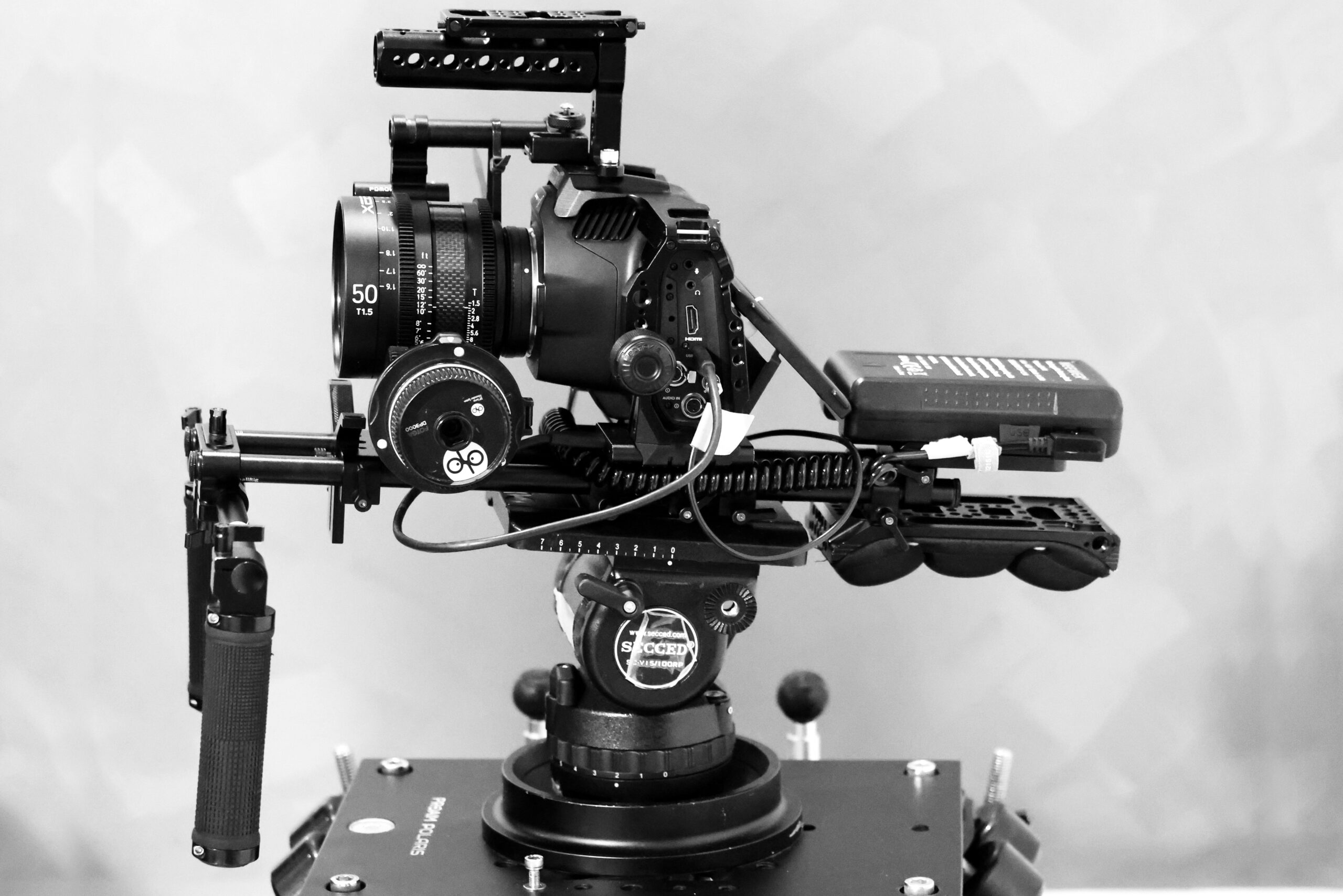
The Rig Reality: For cameras like the Blackmagic, you’ll end up building a rig cage, top handle, external monitor, battery solution, follow focus. That adds bulk, weight, and expense. The camera becomes a system, not just a camera.
The Real Choice: What’s Actually Worth Your Money
If you want the most balanced professional setup: The Sony FX30 is the sweet spot. Yes, you’ll buy ND filters and V90 cards and extra batteries. But you get reliable autofocus, good IBIS, 10-bit color, and a lens ecosystem with affordable options. It’s the camera that won’t fight you.
If you want the best possible image quality: The Blackmagic Pocket 4K is unmatched for color and codecs. But you need to be ready for the battery situation, the manual focus, the stabilization requirements, and the insane file sizes. This is a narrative filmmaker’s camera, not a run-and-gun camera.
If you want full-frame: The Panasonic S5 II is worth stretching the budget for. But understand that L-mount lenses are pricey, and you’re paying for that full-frame sensor in more ways than one.
If you’re just starting out: The Sony ZV-E10 II or Canon R10 will teach you the craft without breaking you. They’re less capable, yes, but they’re also less demanding. You can grow into the limitations instead of being overwhelmed by them.
If you travel a lot: The Fujifilm X-S20 with its film simulations is perfect. You barely need to grade the out-of-camera colors are gorgeous. The battery life is good, the size is manageable, and the lens selection is affordable.
The Final Honest Take
None of these cameras will magically make your footage look like Christopher Nolan shot it. Cinema is about lighting, composition, sound, and story not just the camera. A $500 camera with good lighting will look better than a $5,000 camera with bad lighting.
What these cameras give you is the technical foundation. 10-bit color, log profiles, and decent dynamic range mean you have the data to create a cinematic image in post. The rest? That’s up to you.
Before you buy any camera, calculate the total system cost. The body is 40–60% of what you’ll actually spend. Batteries, cards, lenses, and accessories add up fast. A “$1,300 camera” often becomes a “$2,500 system” within weeks.
But here’s the good news: with any of these cameras, you have the tools to create something beautiful. The rest is practice, patience, and a good eye.
Go shoot something. The camera matters less than you think, and the story matters more than you know.
