



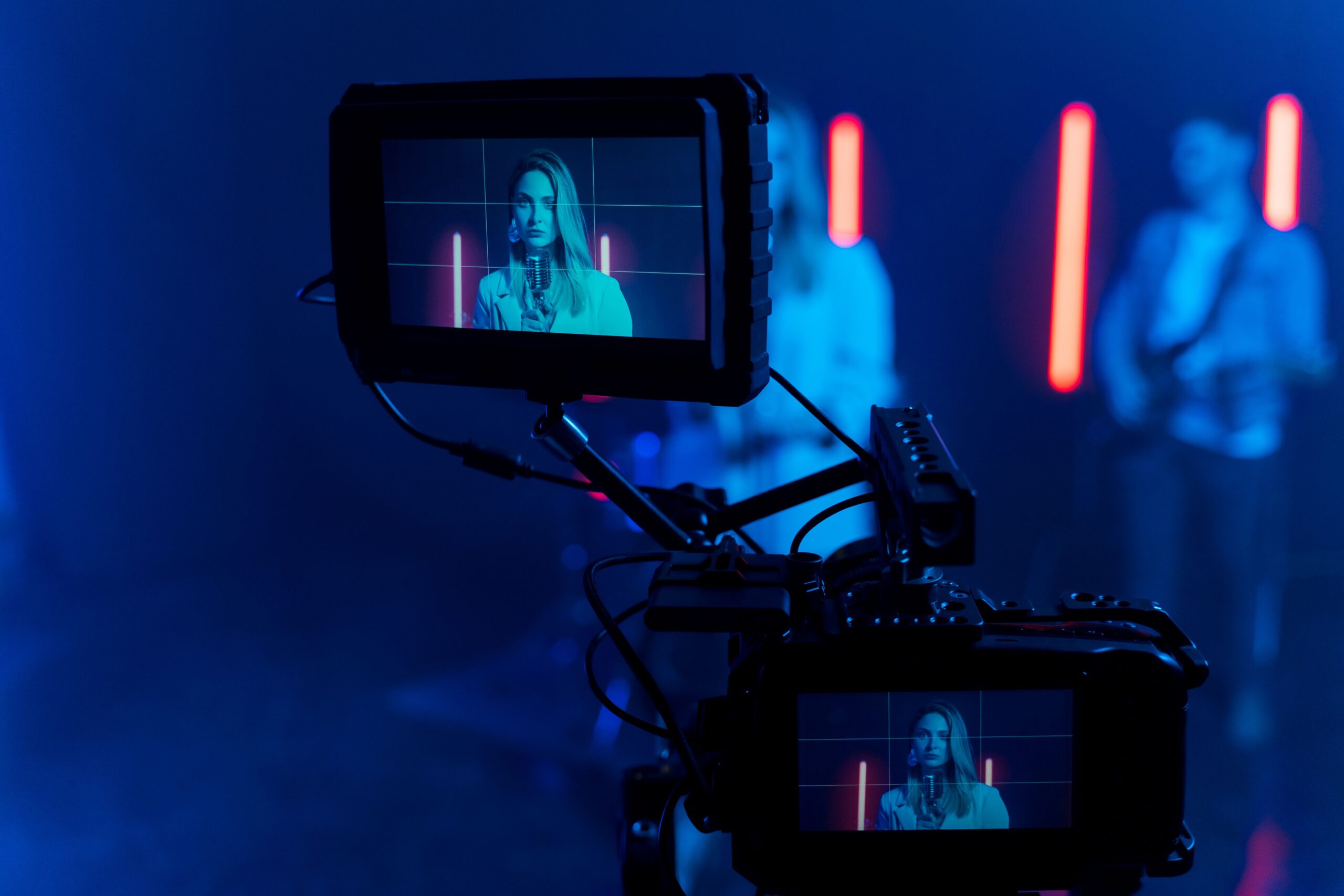
Let me start with something that might save you a lot of money and anxiety: the best camera for your low-budget music video is probably the one you already have in your pocket.
I know, I know you clicked this article hoping for a gear recommendation, not a lecture about your phone. But here’s the thing: some of the most impactful music videos I’ve seen recently were shot on iPhones and older DSLRs . The camera matters, yes. But it matters way less than what you do with it.
So let’s be real about what you actually need, what you can skip, and how to make smart choices when every dollar counts.
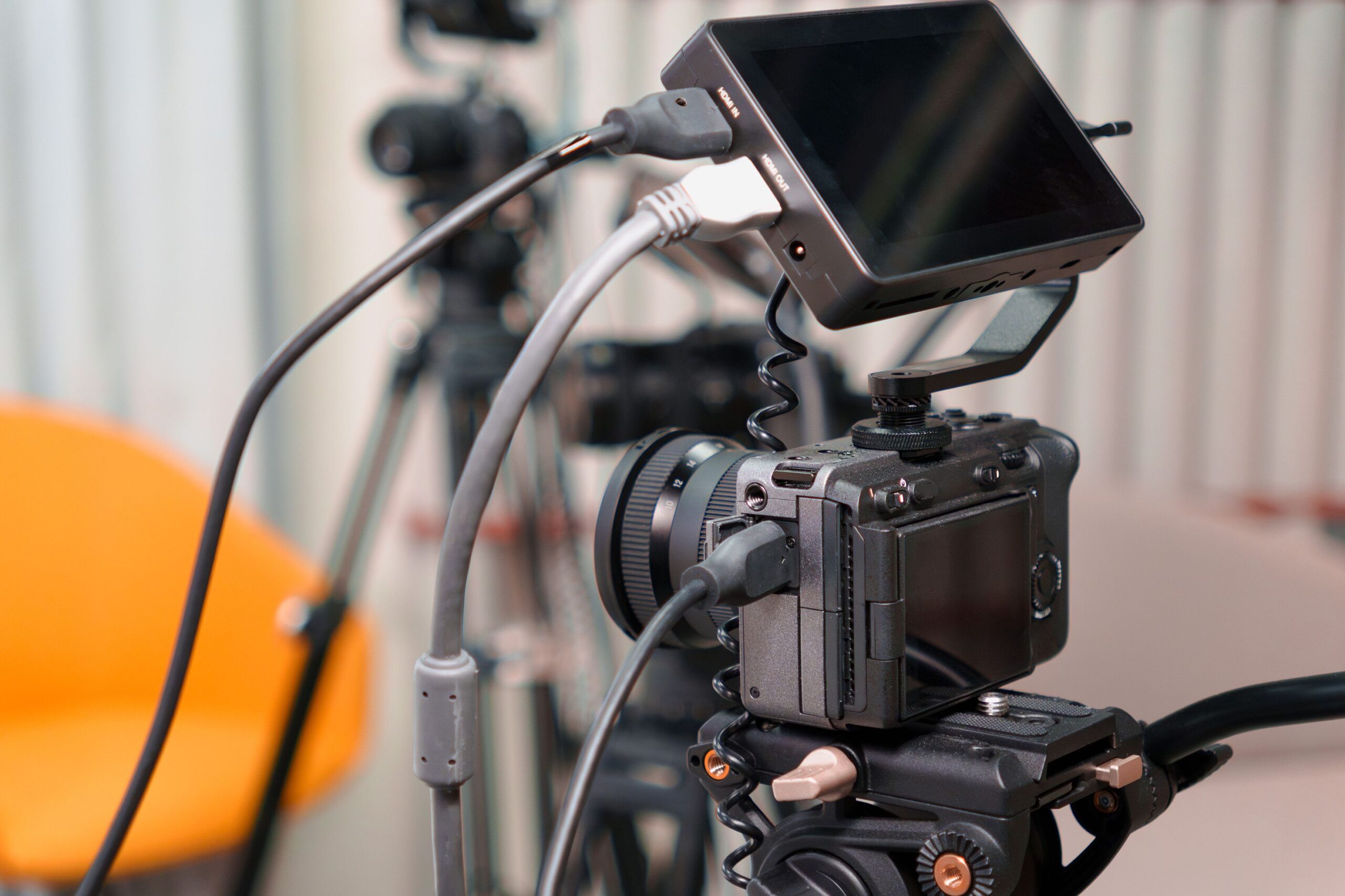
The “What You Actually Need” Reality Check
Before we talk gear, let’s get one thing straight: good audio and good lighting will save your video long before a fancy camera will . A $3,000 camera with bad lighting looks like garbage. A $300 camera with good lighting looks like cinema.
As one creator put it, “the single most important purchase you will make is a dedicated microphone” . Viewers will forgive slightly grainy footage. They won’t forgive audio that sounds like it was recorded in a tin can.
The Budget Camera Sweet Spot
After testing and researching extensively, here’s the breakdown of the best options at each price tier:
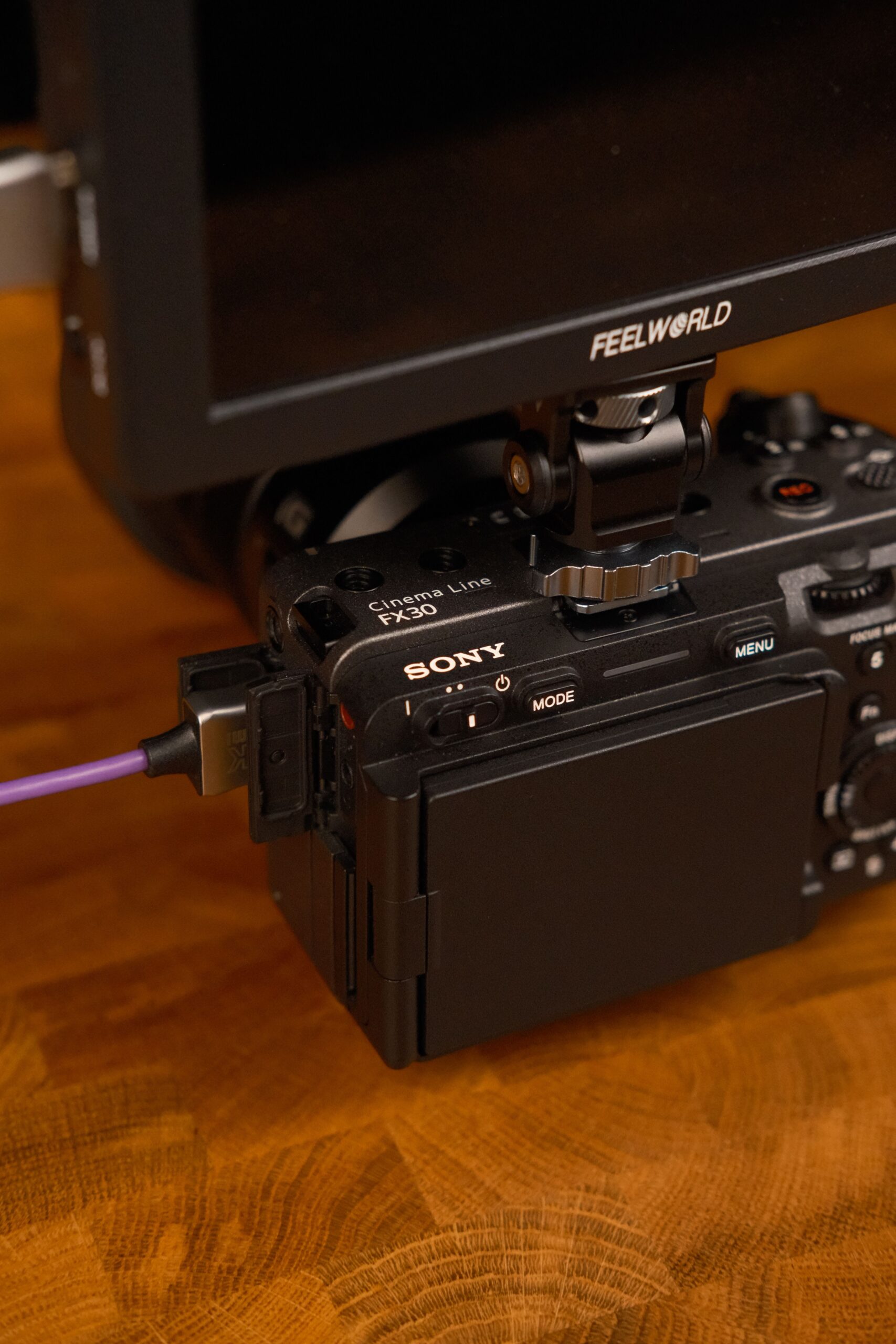
Best Overall for Serious Indie Artists: Sony FX30
The Sony FX30 is widely considered one of the best cameras for independent artists who want serious cinematic quality without the cinema camera price tag . It’s part of Sony’s Cinema Line, meaning it’s built for video-first work.
Why it works for music videos:
-
Super 35 sensor with 4K 120fps for buttery slow-motion
-
S-Cinetone color profile gives you beautiful color straight out of camera
-
Reliable autofocus crucial when you’re shooting alone and can’t pull focus manually
-
Professional tools like waveforms and LUT preview built in
The catch: You’ll need to budget for lenses, and the body alone isn’t cheap. But if you’re serious about making music videos regularly, this is a long-term investment that will grow with you .
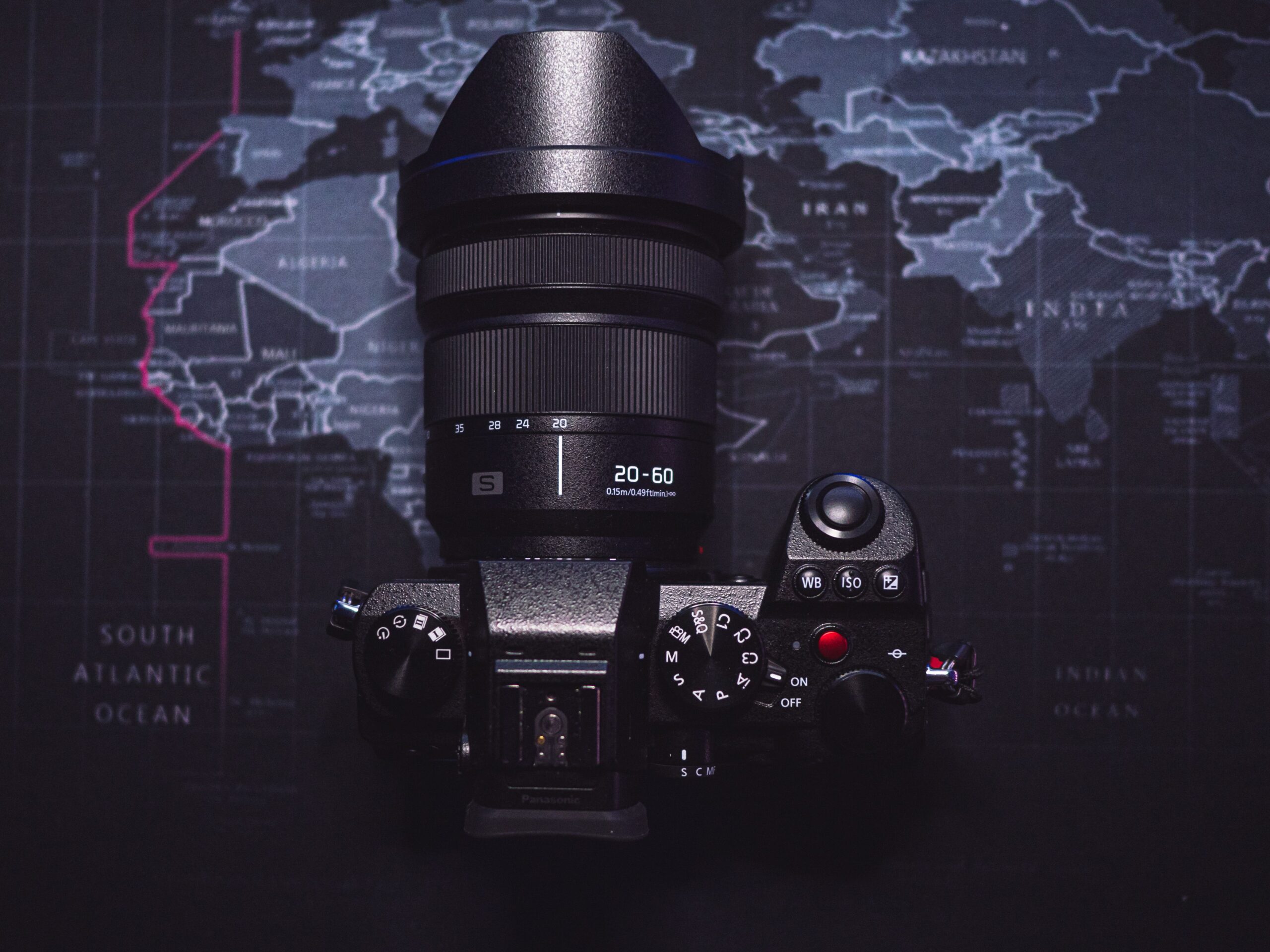
Best Value Full-Frame: Panasonic Lumix S5 II
If you want that full-frame cinematic look without breaking the bank, the Panasonic Lumix S5 II delivers incredible value. It offers 6K video, V-Log for serious color grading flexibility, and something rare at this price: Active I.S. stabilization.
Why this matters for solo creators: You can get smooth handheld shots without needing a gimbal. That saves setup time, reduces gear, and lets you move quickly between locations .
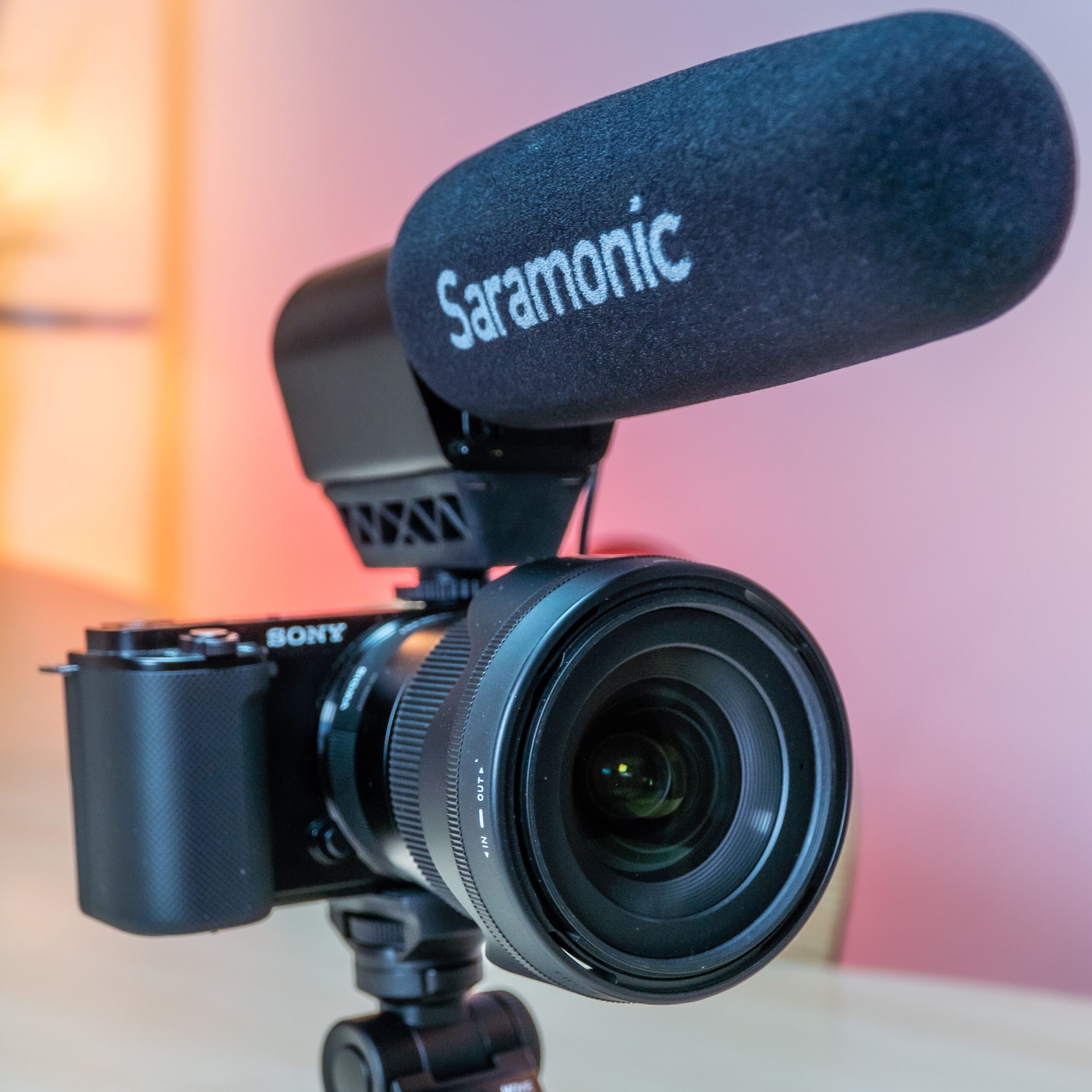
Best for Beginners: Sony ZV-E10 II
For artists transitioning from smartphone video, the Sony ZV-E10 II is a game-changer . It’s designed for creators, with features like:
-
Interchangeable E-mount lenses (so you can upgrade glass later)
-
4K 60fps video
-
Real-time Eye Autofocus that tracks performers
-
A flip-out screen for shooting yourself
The sensor is APS-C rather than full-frame, but that’s actually a plus for beginners—lenses are cheaper, and the difference in quality is barely noticeable for social media content .
Best for Color Lovers: Fujifilm X-M5
If you want your music video to have personality straight out of the camera, the Fujifilm X-M5 is worth a serious look . Fujifilm’s Film Simulations give you gorgeous color without needing to color grade.
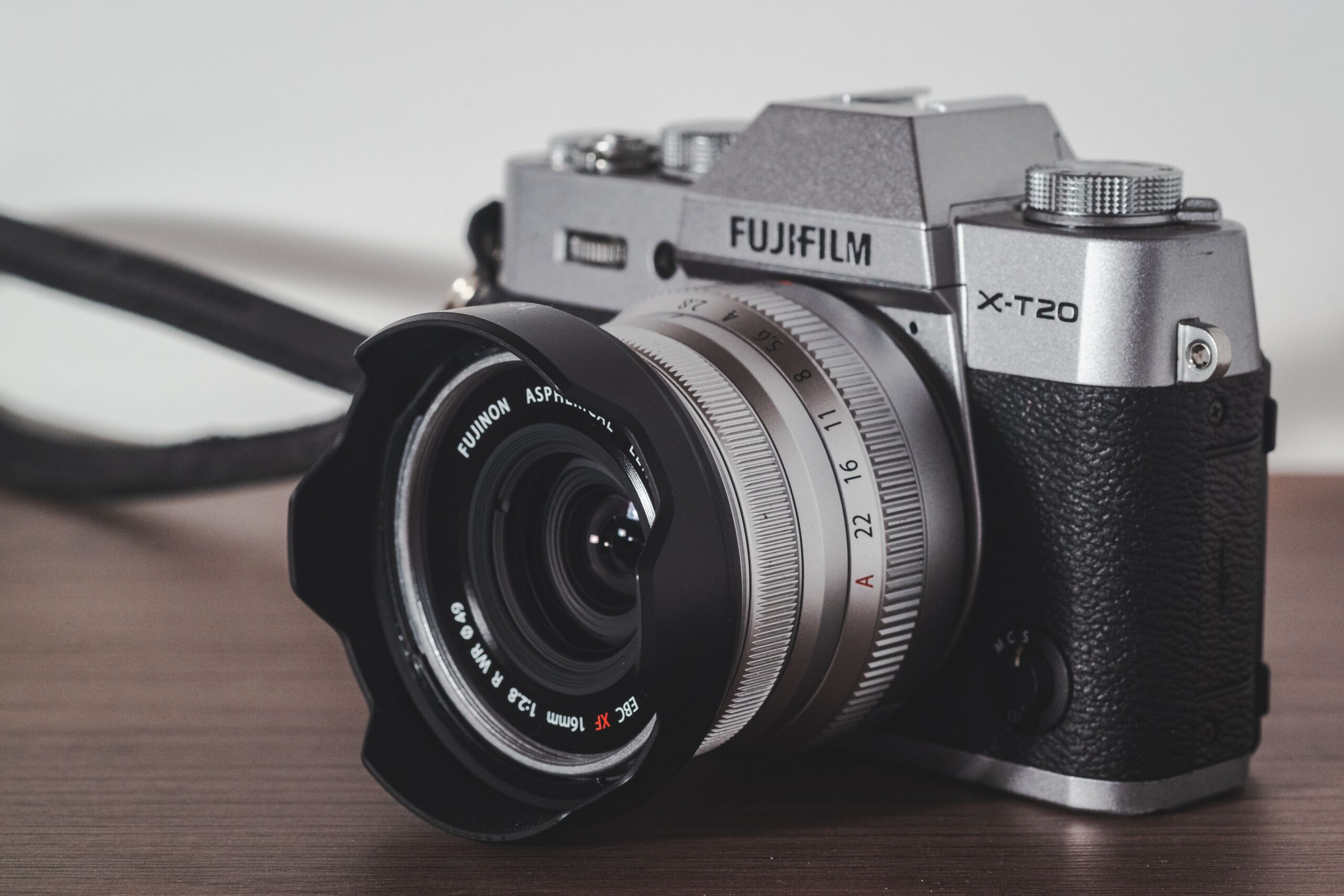
This camera is tiny, affordable, and can shoot 10-bit 4:2:2 6.2K video . One creator called it “unprecedented in its delicate blend of affordability, size, and power” . For artists who want to shoot more often without building a massive rig, this is the move.
The Lens That Actually Matters
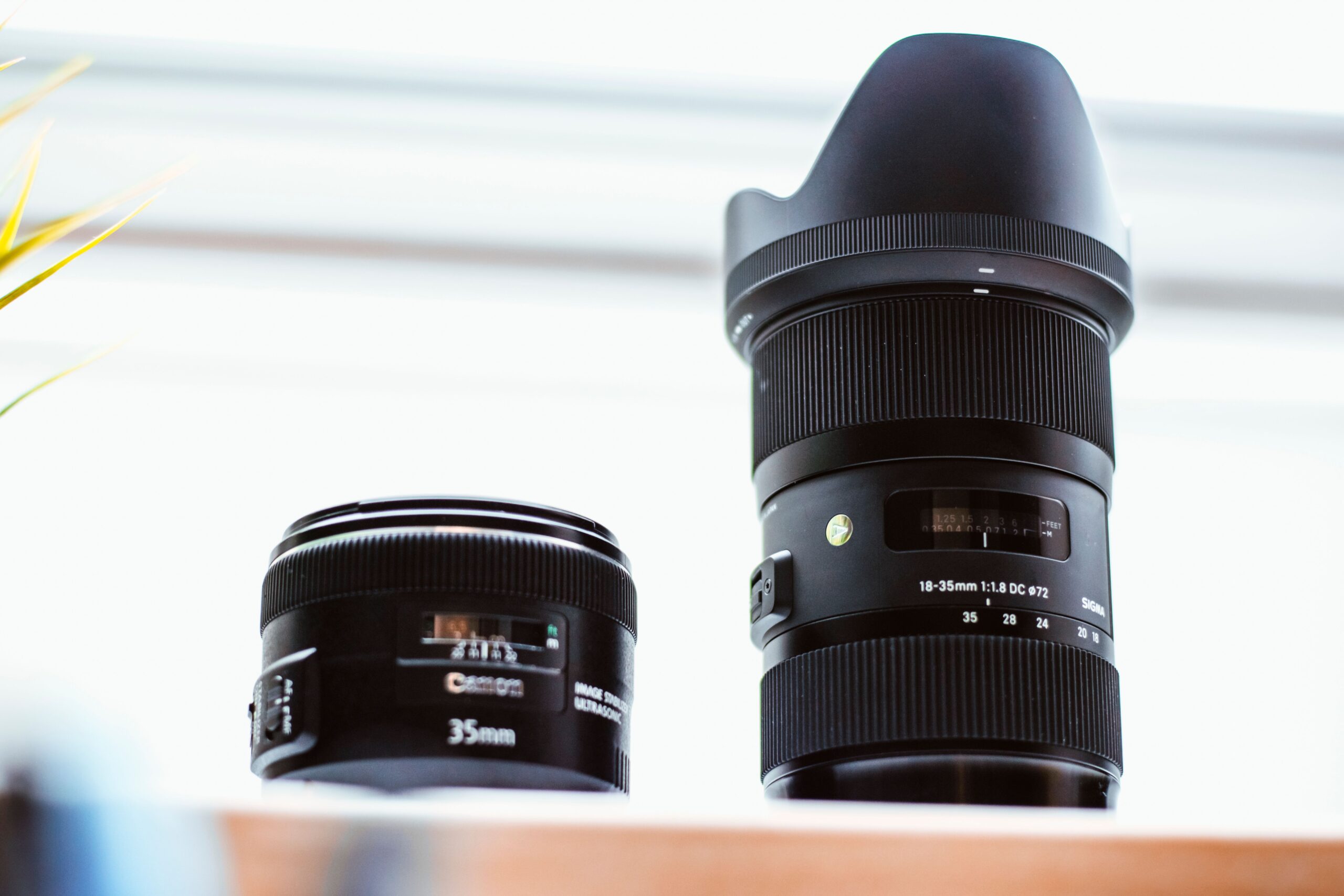
Here’s where I see people make expensive mistakes: they buy a great camera body and then slap a cheap kit lens on it.
For music videos on a budget, here’s the smart play:
Instead of buying a zoom lens, get a fast prime lens with a wide aperture (f/1.4 or f/1.8). These are often cheaper than zooms and let in way more light crucial for those moody, dimly lit music video scenes .
For Sony APS-C cameras like the FX30 or ZV-E10 II, the Sigma 30mm f/1.4 is a fan favorite. As one filmmaker put it, “It basically stays on my camera for indoor stuff because f/1.4 lets in way more light than most zooms” . It’s around $300 and punches way above its weight.
If you’re shooting in tight spaces (like a small apartment or club), the Sigma 16mm f/1.4 is your friend. If you’re shooting close-ups and portraits, the Sony 35mm f/1.8 OSS gives you built-in stabilization .
Don’t Forget These Essentials
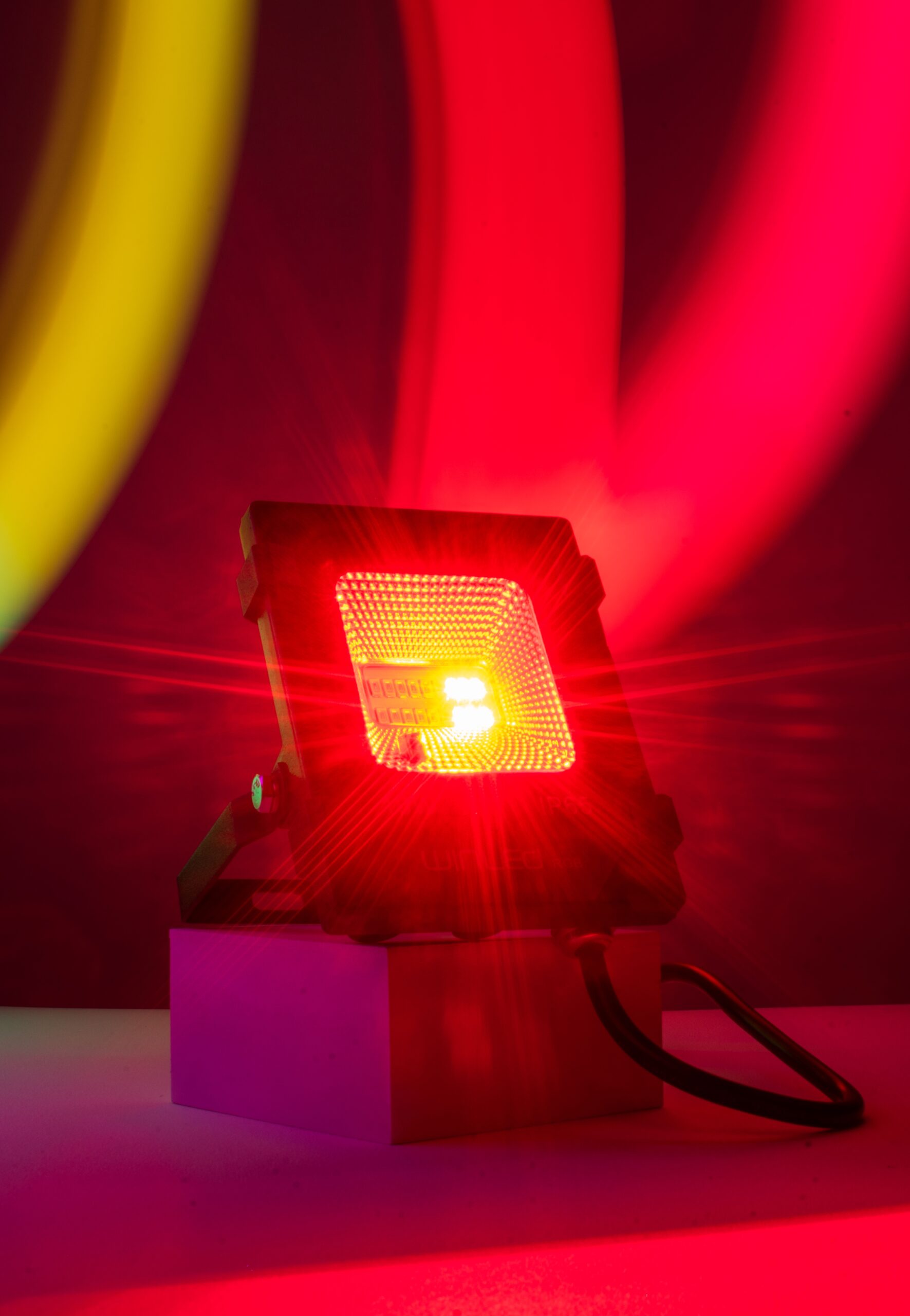
Lighting
You can spend $2,000 on a camera, and it’ll still look bad without good light. The good news: you don’t need expensive studio lights.
-
Natural light is free. Shoot near windows or outside during golden hour early morning or late afternoon for gorgeous, flattering light .
-
Ring lights are cheap (under $50) and provide soft, even illumination for performances .
-
RGB light strips can create mood and atmosphere in the background for less than $50 .
Audio.
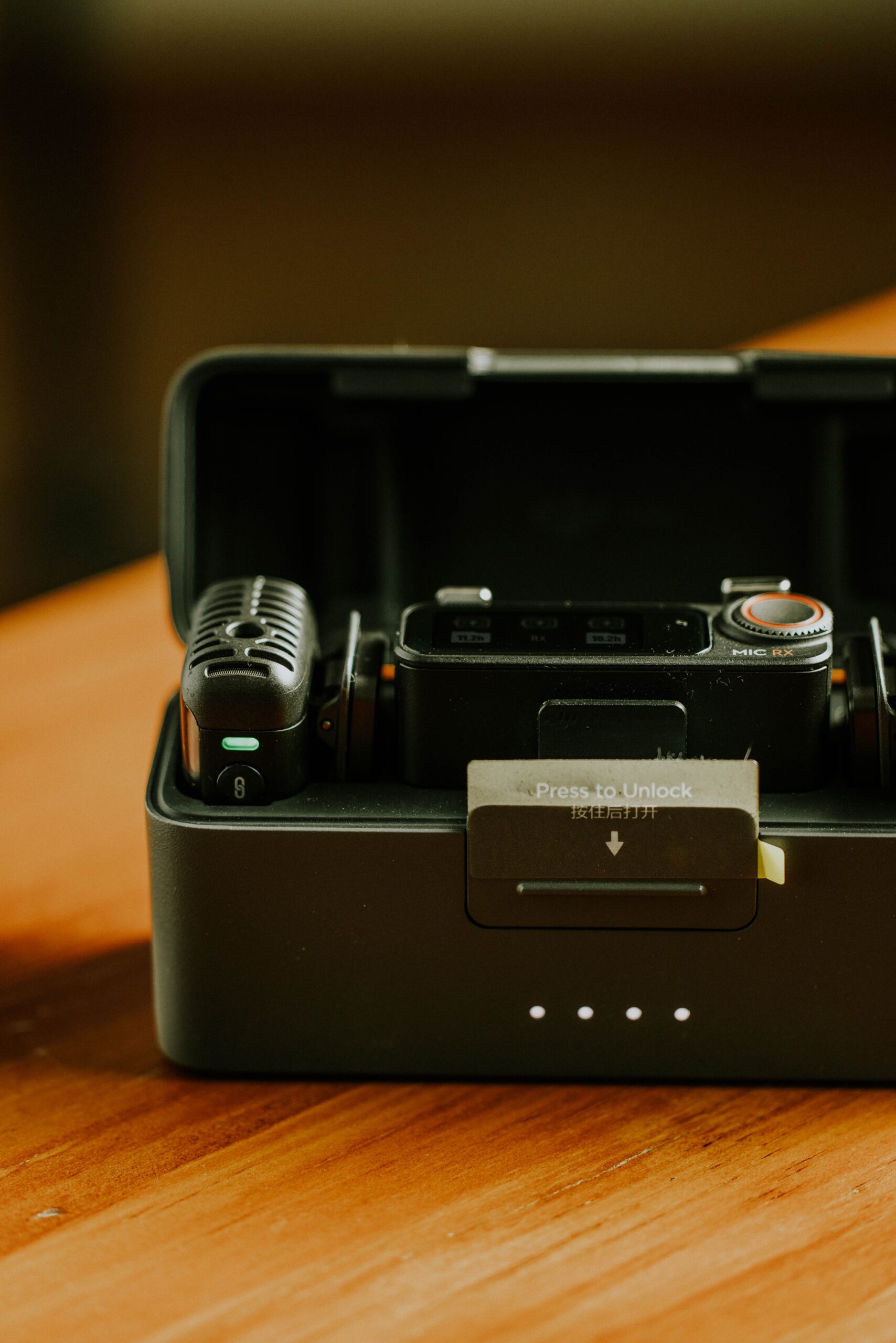
Yes, you’re syncing to a pre-recorded track, but if you’re capturing any live audio or dialogue, invest in a decent mic. Lavalier mics like the Hollyland Lark M2 connect to phones and cameras, offer noise cancellation, and come in a convenient charging case .
Stabilization
Shaky footage screams “amateur.” A cheap tripod or a gimbal will transform your production quality. If you can’t afford a gimbal, stack books or use a stable surface . Some cameras (like the Lumix S5 II) have great built-in stabilization, which saves you money and setup time .
The “Start With Your Phone” Approach
Before buying anything, seriously consider whether you need to.
Modern smartphones shoot in crisp 4K, and with apps that offer manual controls, you can get footage that rivals entry-level cameras. “Plenty of award-winning short films and music videos have been shot entirely on phones,” as one film school guide points out .
Try this first:
-
Use a tripod or stable surface
-
Find good natural lighting
-
Use an external mic or the phone’s built-in mic in a quiet room
-
Get a friend to help with performance takes
If you can make a good video on your phone, you’ll know exactly what to look for when you upgrade .
My Honest Bottom Line
If I were starting from scratch with a limited budget and needed to shoot a music video tomorrow, here’s my shopping list:
-
Sony ZV-E10 II (or an FX30 if the budget allows)
-
Sigma 30mm f/1.4 lens
-
One small LED light or ring light
-
A decent tripod
-
Your phone as a playback device
You could put this together for under $1,500 and get footage that genuinely looks professional .
But here’s the real secret: the best camera isn’t the one with the most intimidating spec sheet. It’s the one you actually take out and shoot with. A simple camera that gets used every week is more valuable than an expensive camera that stays in a bag .
So start where you are. Use what you have. Learn the craft. And when you’ve outgrown your gear, you’ll know exactly what to upgrade and why.
(remember all the prices listed might change that’s market for you)
What did I miss? Drop a comment below if you’ve shot music videos on a budget and found gear that worked (or didn’t!).
