

If you’ve spent any time in the YouTube creator space, you know the eternal question isn’t “what’s the best camera?” but rather “what’s the right camera for what I do right now?” The answer has shifted significantly in 2026, and it’s less about chasing specs and more about finding tools that disappear into your workflow.
Here’s the thing about YouTube in 2026: audiences have become incredibly savvy. They can spot over-produced content from a mile away, but they’ll also click away from something that looks amateurish. That tension has pushed creators toward gear that feels honest footage that looks polished but not plastic, authentic but not sloppy . The cameras winning right now aren’t necessarily the most expensive ones; they’re the ones that get out of the way.
The Everyday Workhorse: Mirrorless Cameras That Just Work
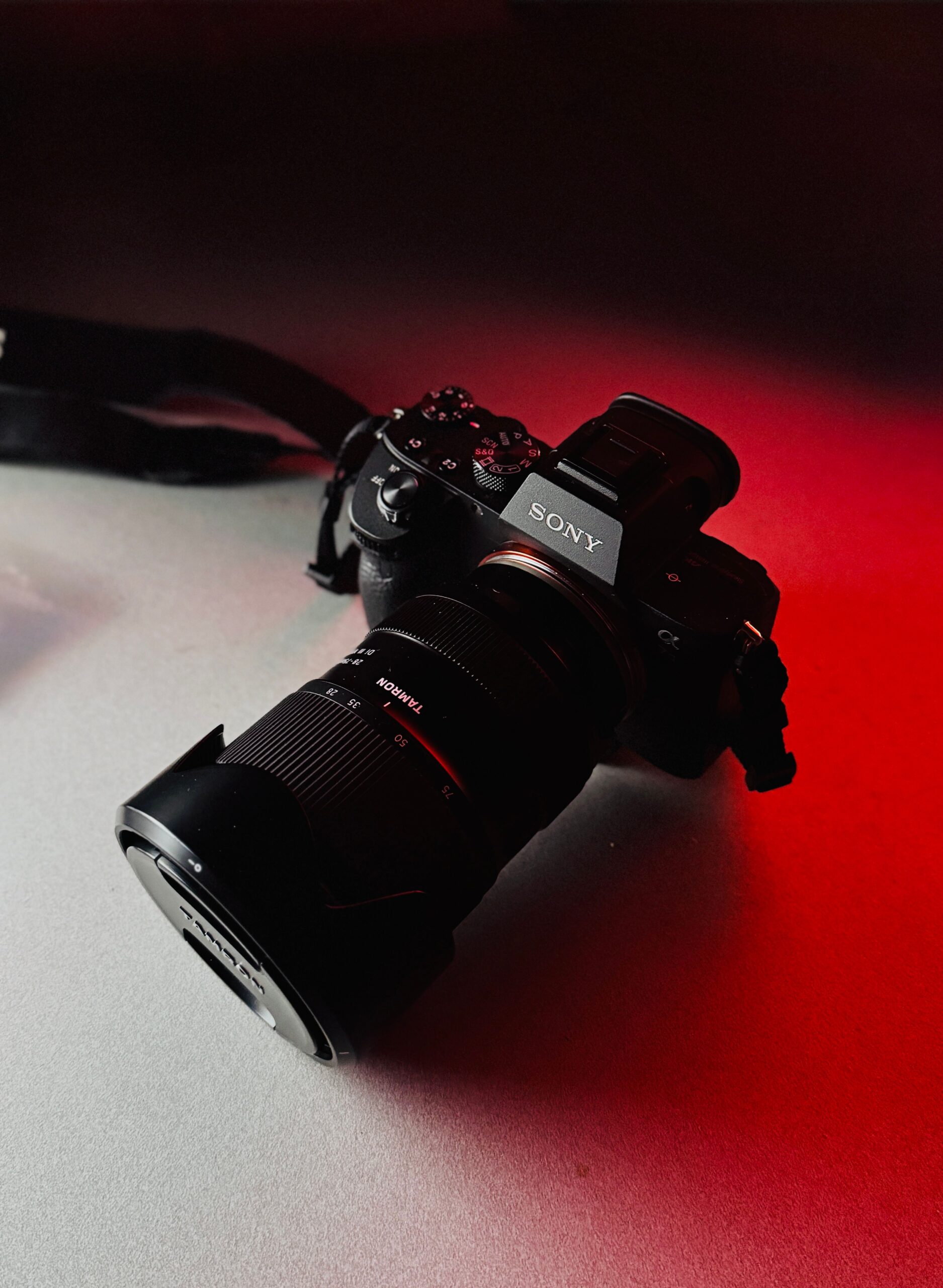
The mirrorless market has become the sweet spot for creators who need flexibility without the bulk of cinema rigs. What’s interesting is how manufacturers have finally started building cameras for creators rather than just adapting stills cameras for video.
Sony ZV-E10 II: If you look at what creators are actually buying, this sits in a special place. Sony’s autofocus is practically clairvoyant it locks onto eyes and stays there, which matters enormously when you’re filming yourself and don’t have a camera operator . The lens ecosystem is massive, so you can start with a kit lens and grow into something more specialized. What makes it work for YouTube isn’t just the 4K video it’s that it handles vertical shooting natively, the menus don’t make you want to throw it at a wall, and it doesn’t overheat during long recording sessions .
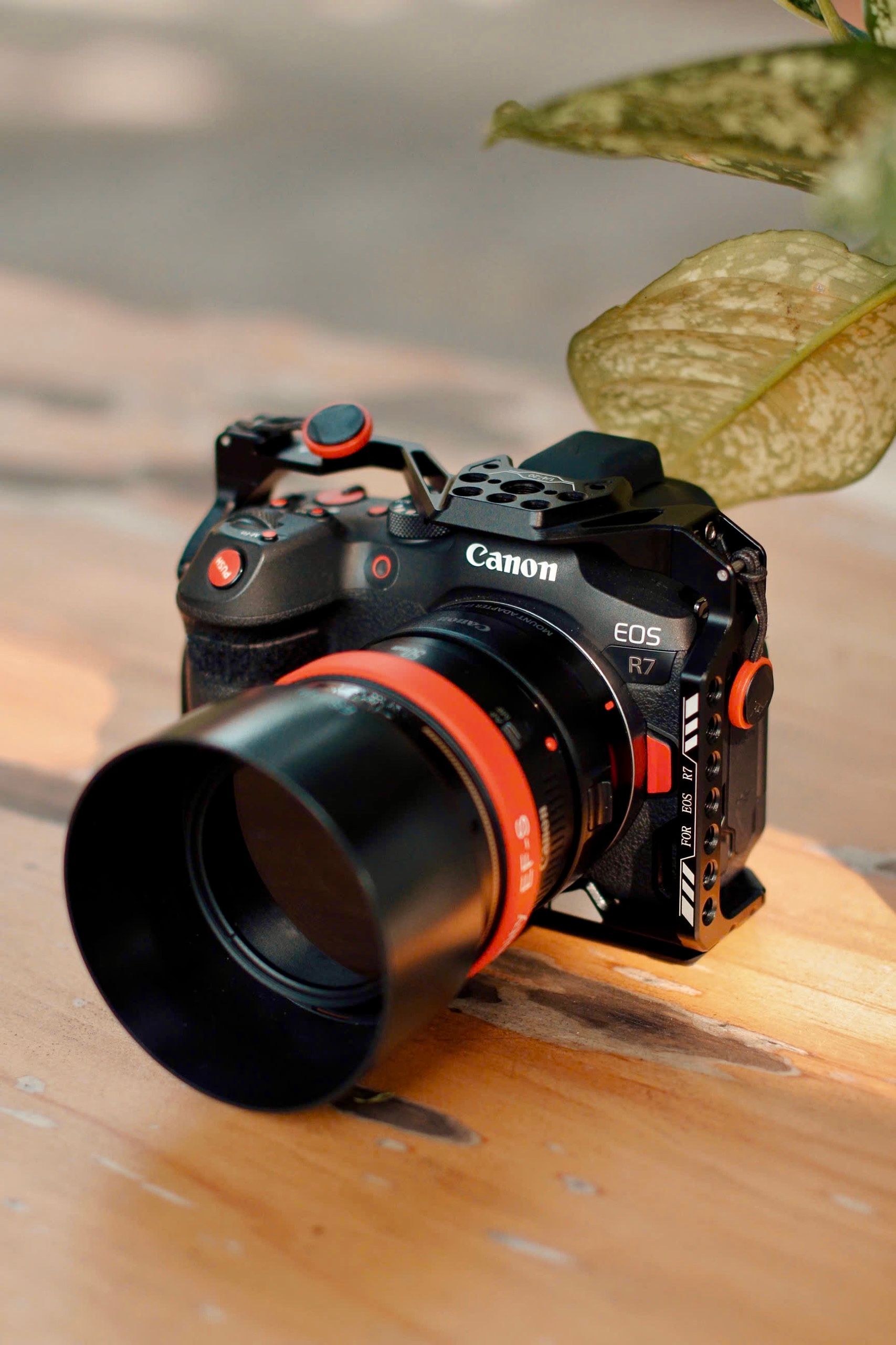
Canon EOS R50 V: Canon took a different approach here. The R50 V was designed specifically for video-first creators, and it shows. The Dual Pixel autofocus is rock-solid, the fully articulating screen makes self-shooting intuitive, and the Creator Kit bundles everything you need to get started . It’s not the cheapest option, but it eliminates the “what else do I need to buy?” anxiety that paralyzes new creators.
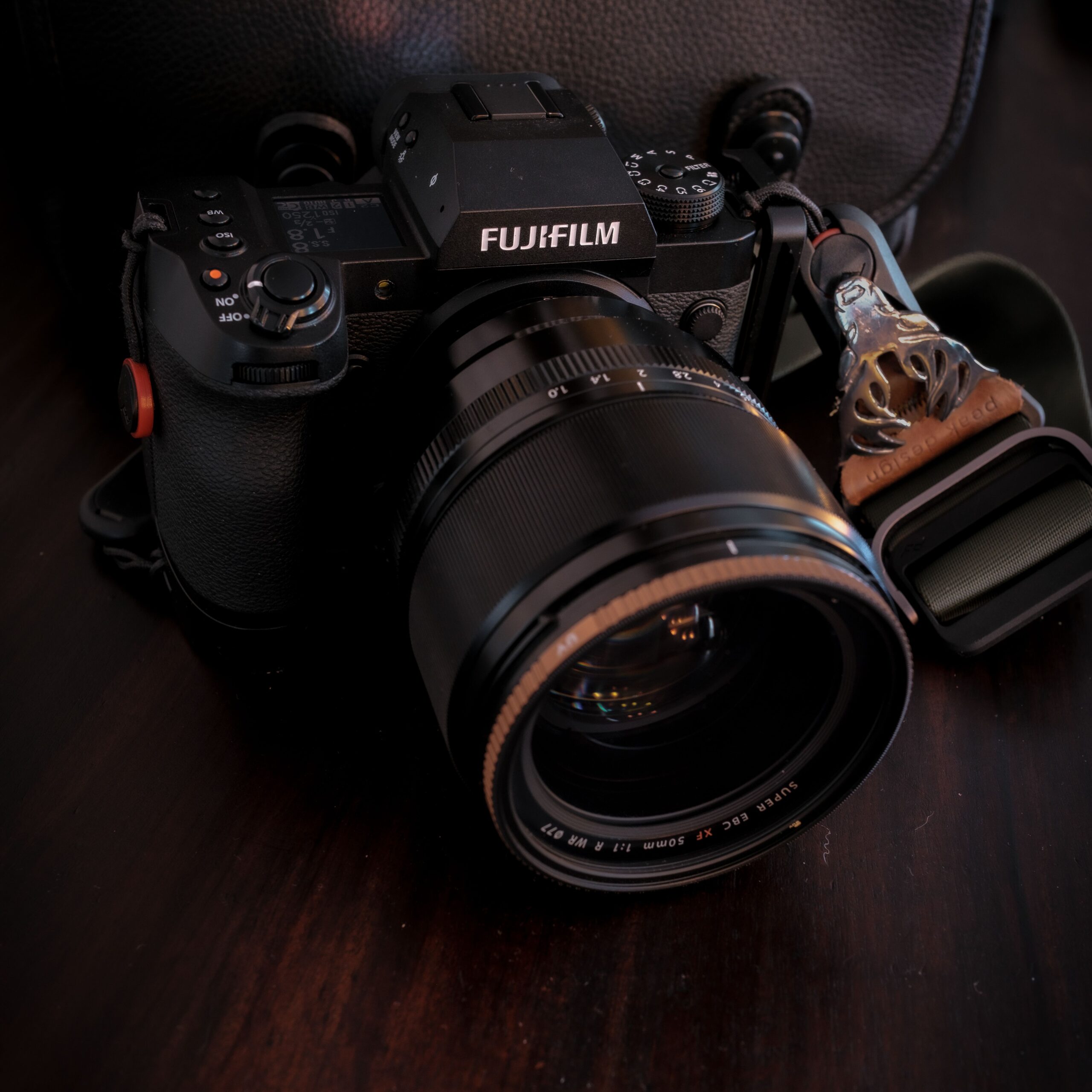
Fujifilm X-S20: This one keeps showing up in creator bags for a reason. Fujifilm’s color science is practically a cheat code their film simulations give you usable, gorgeous footage straight out of camera without spending hours in post . The 6.2K open-gate recording means you can crop for both horizontal and vertical formats from the same footage, which is increasingly essential as audiences watch across YouTube, TikTok, and Instagram .
The “It Just Works” Champion: DJI Osmo Pocket Series
I don’t know who at DJI designed the Osmo Pocket 4, but they clearly understood something crucial: the best camera is the one you actually bring with you.
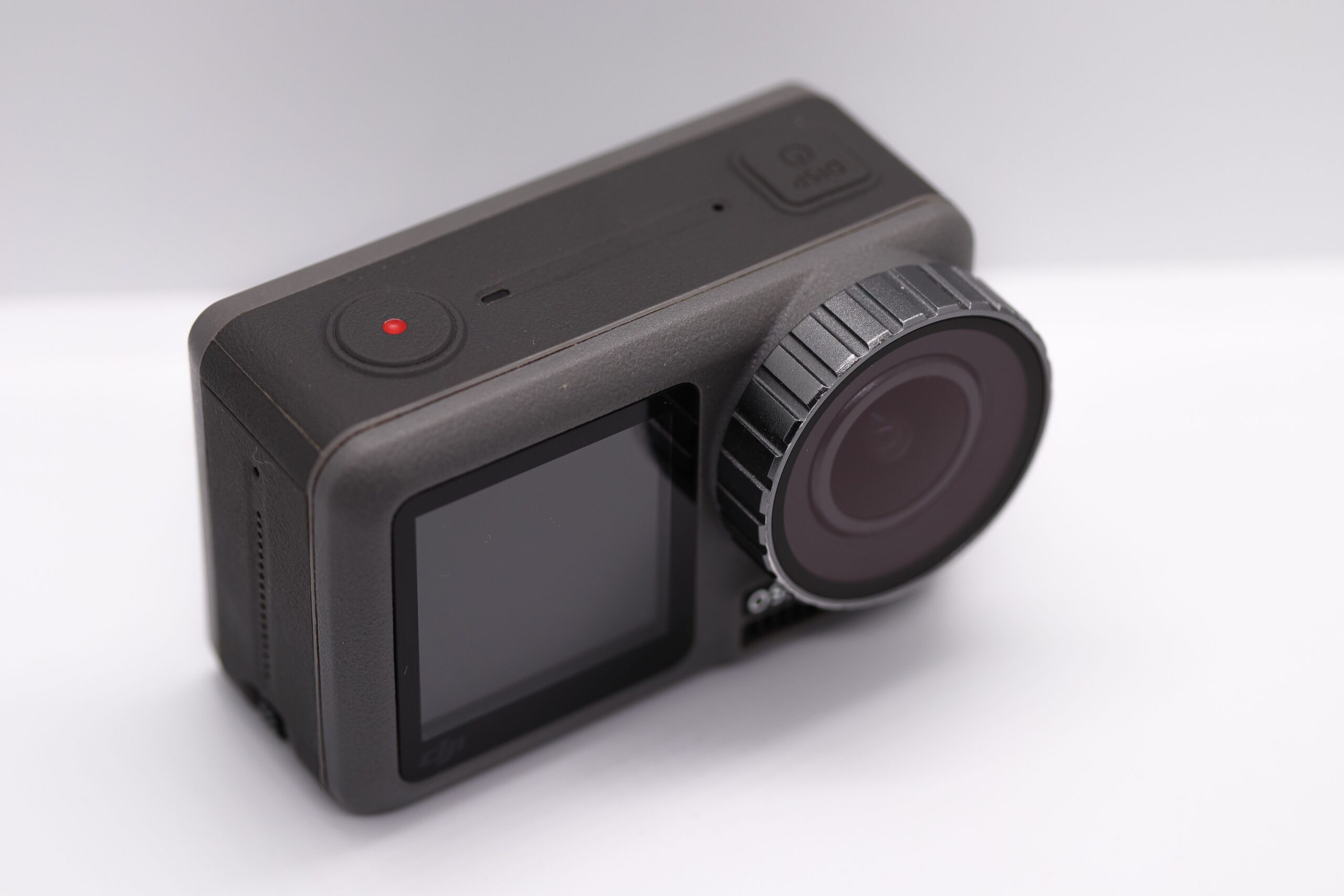
The Pocket series solves a problem no one else really addressed. It’s a built-in gimbal, so your walking shots don’t look like earthquake footage. The 1-inch sensor produces genuinely impressive low-light performance. The rotating screen makes switching between horizontal and vertical quick and satisfying . And with the Creator Combo which includes DJI’s wireless mics that pair without a receiver you can produce video that looks and sounds professional without spending a fortune .
Critics will note the fixed 20mm lens is limiting, and they’re not wrong. But for solo creators filming themselves in real-world situations? The portability and ease of use make it an obvious choice. Some creators use it as their “B-roll” camera while shooting main content on a larger rig .
The Compact Alternative: Canon PowerShot V1
For creators who want a more traditional compact experience, the PowerShot V1 has become the compact to beat. It’s expensive for a fixed-lens camera around $900 but the 1.4-inch sensor is larger than what you’ll find in most compacts, and the built-in ND filter lets you shoot with wider apertures without overexposing .
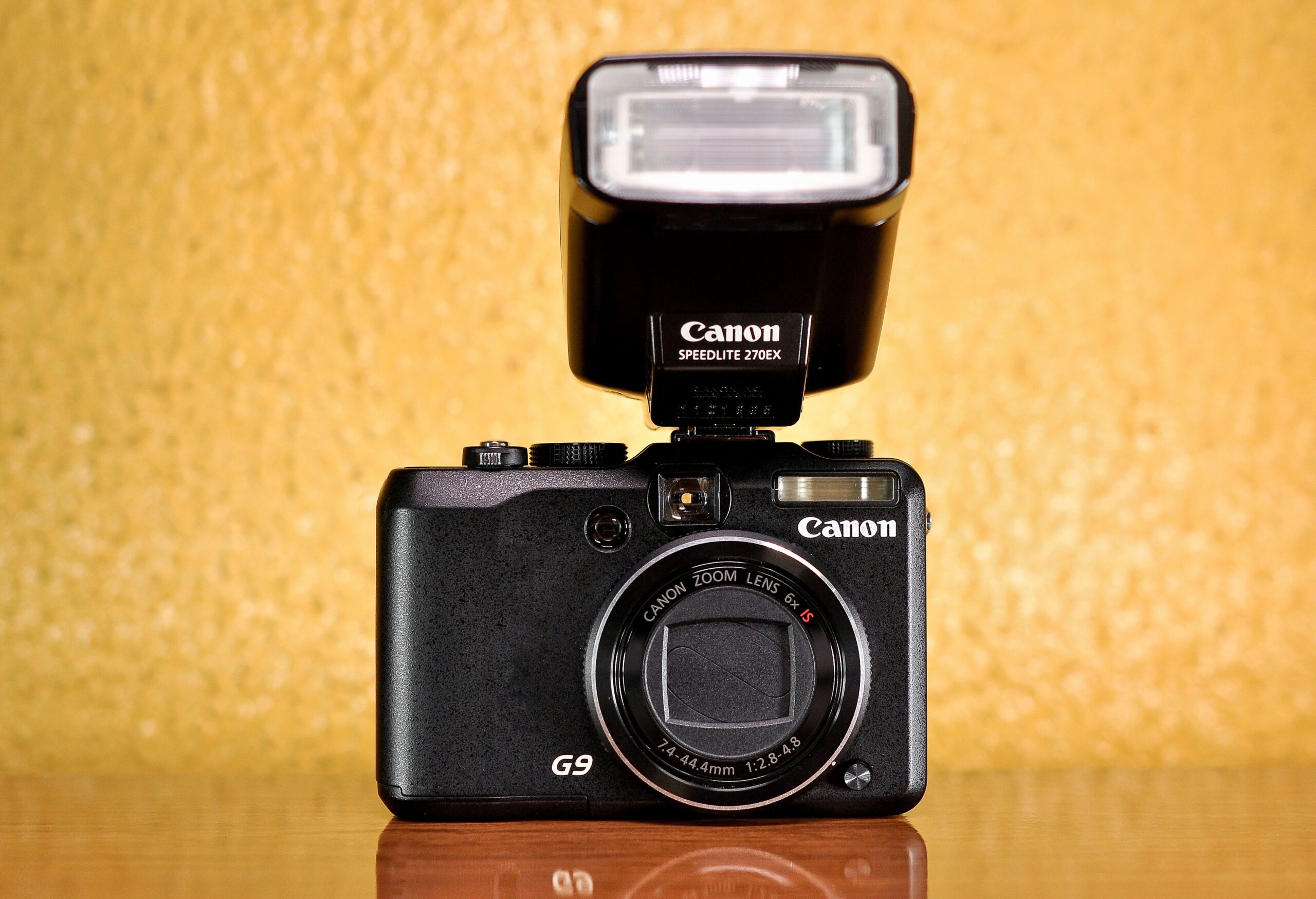
The internal cooling system means you can record indefinitely, limited only by battery and storage. That matters when you’re filming long-form content. The three-capsule mic and included windshield handle audio reasonably well for built-in options, though serious creators will still want external mics .
The Full-Frame Option: Sony ZV-E1
For creators who want that shallow depth-of-field look you know, the “this looks like a Netflix documentary” effectthe ZV-E1 is where things get interesting. It’s a full-frame sensor in a body that doesn’t feel unwieldy .
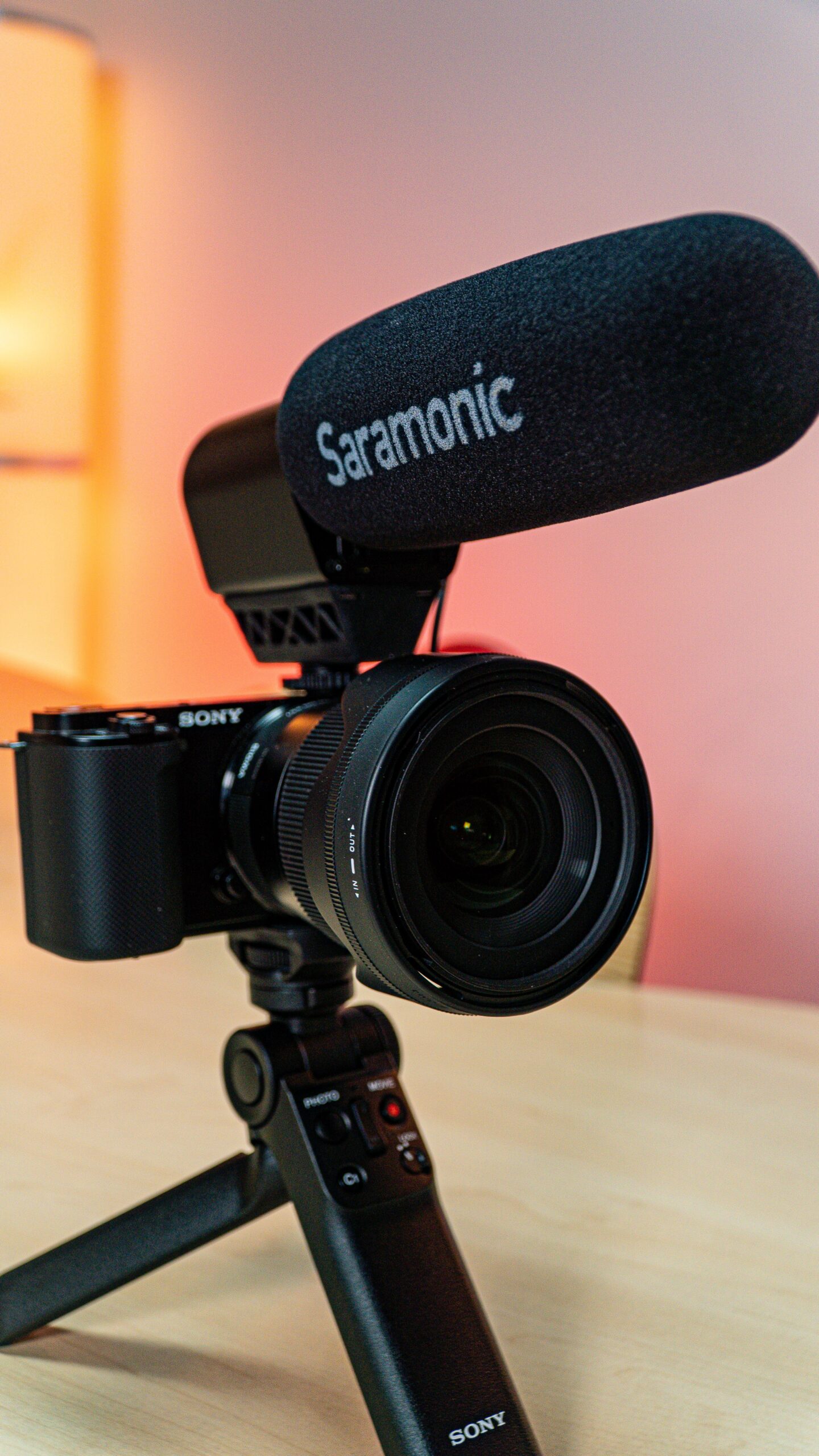
What makes it special for solo creators is the AI-based processor. It can automatically track your movement, crop for different formats, and handle the kind of camera moves that used to require a second person. The automated framing features feel gimmicky until you actually use them and realize they save hours of editing time .
The catch? Full-frame lenses are expensive, and you’ll definitely want an external mic. But if video is your business, the investment makes sense.
Action Cameras for the Adventurers
For outdoor creators, travel vloggers, and anyone who films in unpredictable environments, action cameras have evolved well beyond “fancy GoPros.”
DJI Osmo Action 6 and GoPro Mission 1 dominate this space . What’s changed isn’t the resolution, though both handle 4K easily it’s the stabilization and mounting options. Creators are using them not just for action sports but as discreet second angles during interviews, events, and behind-the-scenes content .
The “hands-free” aspect matters more than you’d think. When a creator can film without being visibly holding a camera, the footage feels more present, more caught-in-the-moment . That authenticity is valuable currency in 2026.
What Matters More Than the Camera
Here’s what the search results keep circling back to, and what experienced creators will tell you if you ask:
Audio is half the video. YouTube audiences will tolerate slightly imperfect video. They will not tolerate bad audio. Poor sound tells viewers you don’t take your content seriously, and they’ll leave in seconds . Wireless lapel mics DJI’s Mic Mini, Rode’s wireless systems have become essential for creators who shoot on the move.
Lighting matters more than sensor size. A $3000 camera in bad light looks worse than an iPhone in good light. Compact, travel-friendly lighting solutions (portable LED panels, magnetic clip-on lights) let creators control their environment instead of being controlled by it .
Stabilization isn’t optional. Unless you’re going for a specific handheld aesthetic, shaky footage screams “amateur.” Gimbals and in-body stabilization have become table stakes .
Vertical-first thinking is non-negotiable. More people consume content on phones than anywhere else. Cameras that don’t handle vertical orientation natively (or at least make it painless) are increasingly irrelevant .
The Honest Take
The “best” YouTube camera in 2026 depends entirely on how you create. If you’re a travel vlogger shooting constantly in unpredictable environments, the DJI Osmo Pocket 4 is hard to beat. If you’re a studio-based creator who needs lens flexibility and color accuracy, the Fujifilm X-S20 or Sony ZV-E10 II make more sense. If you’re just starting out, your smartphone yes, really is probably good enough for your first several videos .
What the camera doesn’t do is replace the work. It doesn’t generate ideas. It doesn’t build connection with an audience. It doesn’t do the editing or the thumbnail design or the endless scroll through analytics.
The best camera is the one that gets used. Everything else is just marketing.
